
Working From Home Under Lockdown
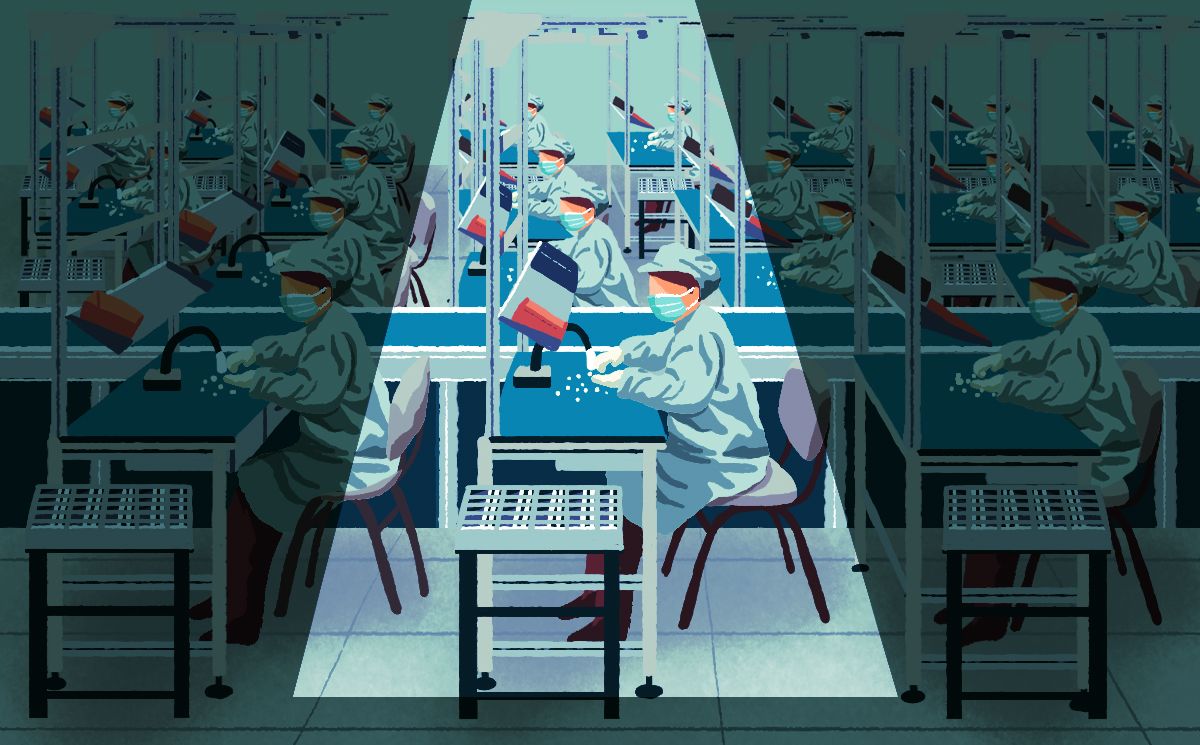

The Pandemic Working Women's Concern Group recently released a report on the experiences of working-class women in the pandemic, based on a survey of 662 working-class women across 30 Chinese cities and provinces. WhyNot brings you some of the stories behind that data.
The coronavirus pandemic has had a huge impact on the global economy. In China, working-class women with a monthly income of less than 5,000 yuan have been the hardest hit. They are also the group with the least access to, or awareness of, government back-to-work programs.
In May 2020, the Pandemic Working Women's Concern Group, made of non-government gender research volunteers, interviewed 662 working women via WeChat and Weibo.
They found that more than half had seen an increase in their family care responsibilities since the start of the pandemic. At the same time, the women were dealing with reduced family incomes, unemployment, and even domestic violence.
Though 2020 is more than half over, many of them still don't know how they are going to get through it.

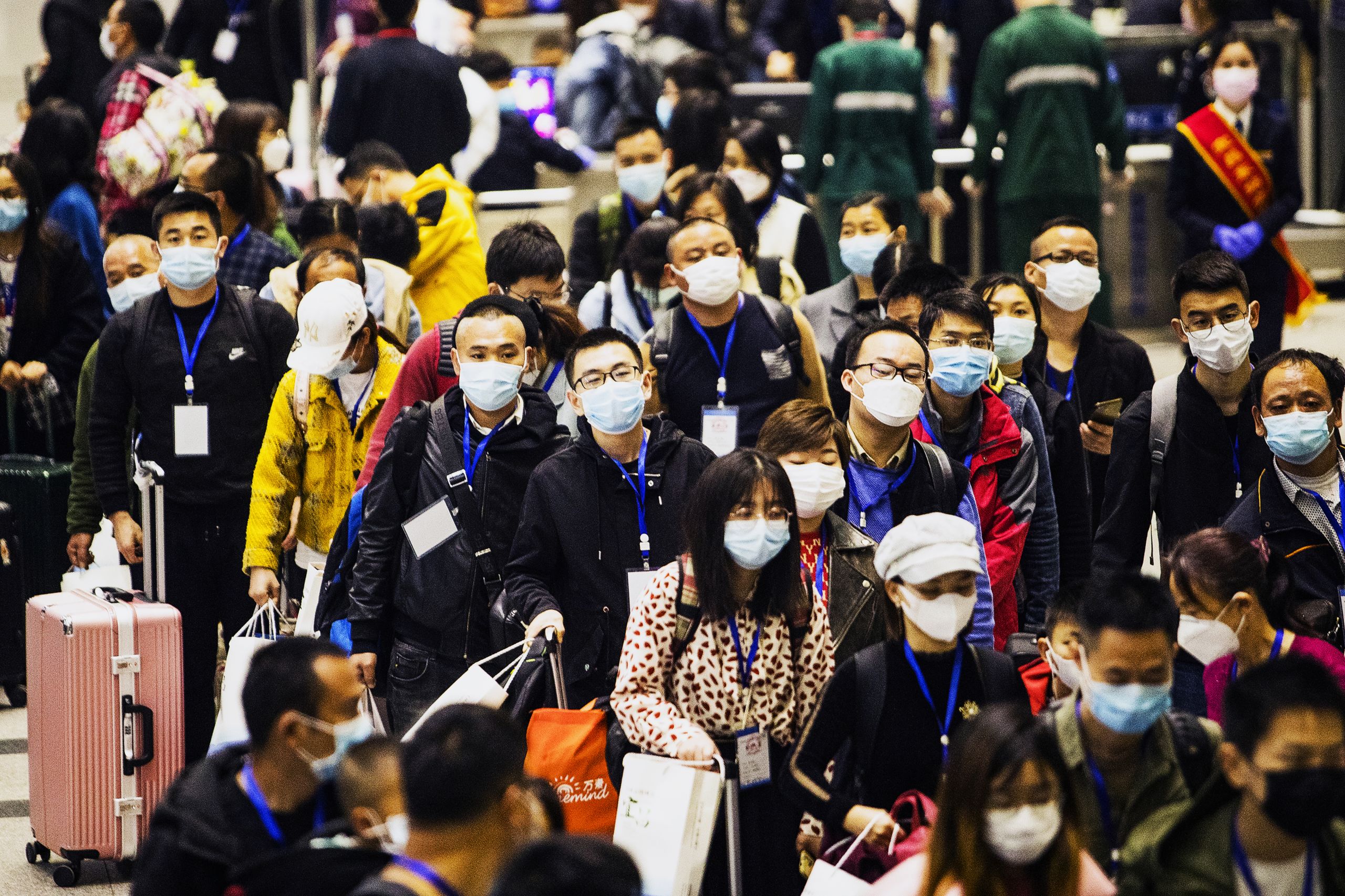
(Photo: AFP / STR)
(Photo: AFP / STR)
Shattered lives

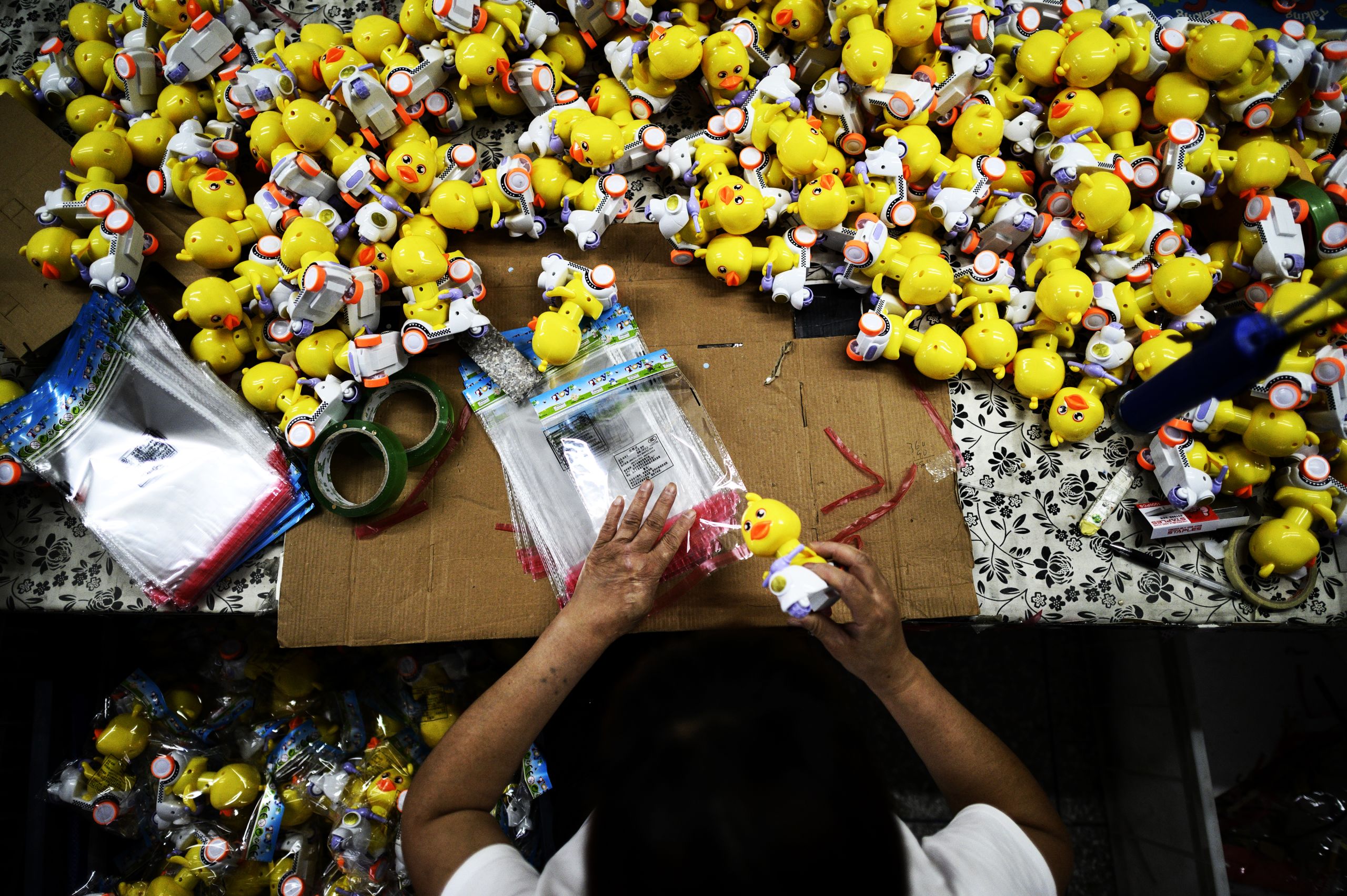

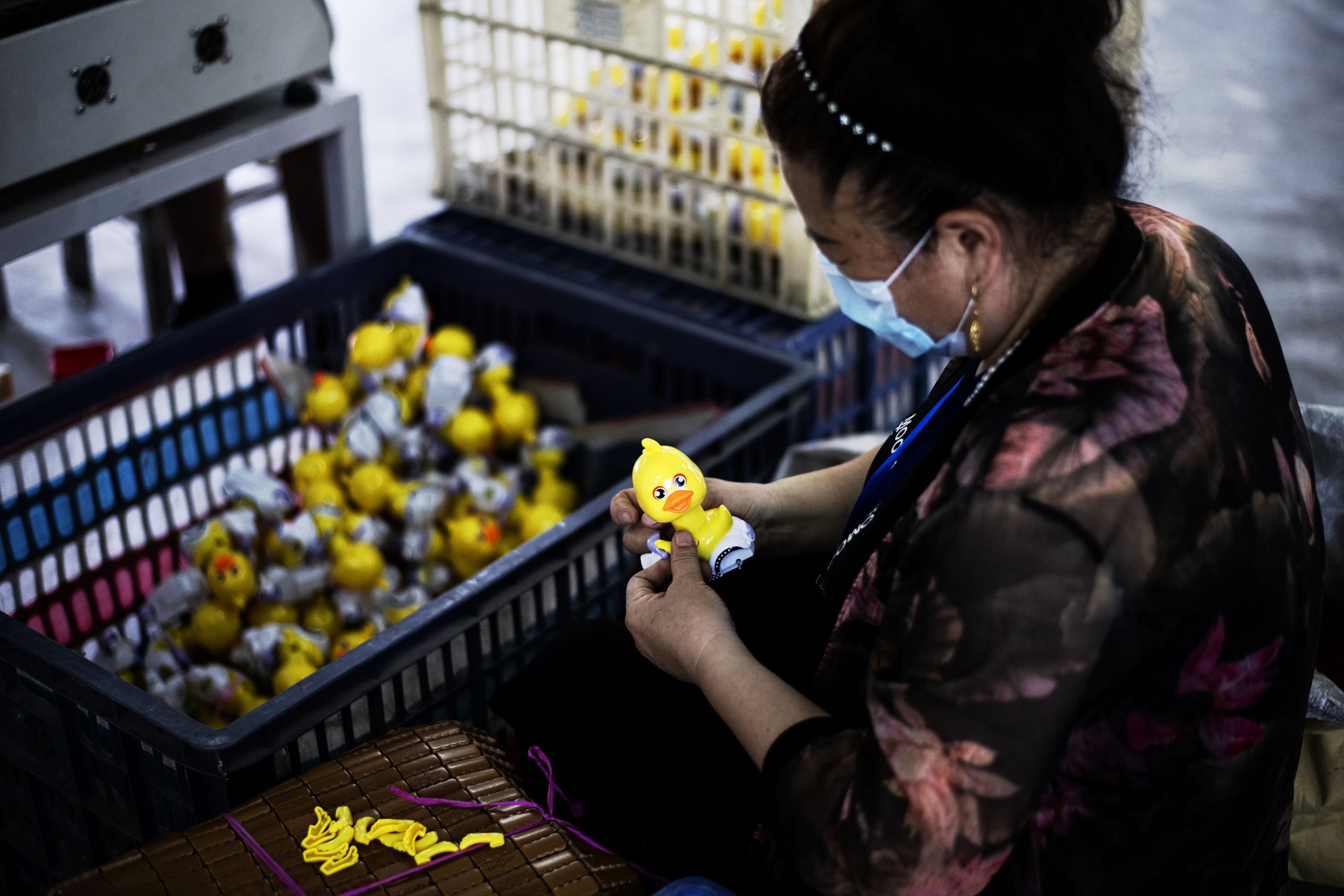
Economies in China and the rest of the world have been hard hit by the pandemic. Export-oriented factories in the Pearl River Delta have seen orders plummet, leading to unemployment and a general lack of support or assistance.
Meixiang hails from Sichuan. She is in her forties, and many of her colleagues have lost their jobs. She is fearful for her future, and prays she won't be next.
Her circumstances were precarious at the best of times, but the pandemic has left her reeling. She has octogenarian parents back in her hometown, as well as three kids, two of whom are still in school.
"They all need money, young and old alike," she says.
Meixiang used to work in a toy factory in Shenzhen which made toys for export. But international orders were severely impacted by the pandemic, and goods were no longer shipping out. The factory's business was devastated.
The boss tried to help the factory survive for a while by manufacturing surgical masks instead. But prices in China were too low to make a profit, and he couldn't get an export certificate.
"The production lines were still rolling in the factory downstairs a few days ago, but they stopped yesterday," Meixiang says. "Those people were working away quite happily, until the order was completed and there were no more on the books."
"The boss can't afford to support people who aren't doing anything."
In other factories, she says, bosses have run out of money and simply disappeared.


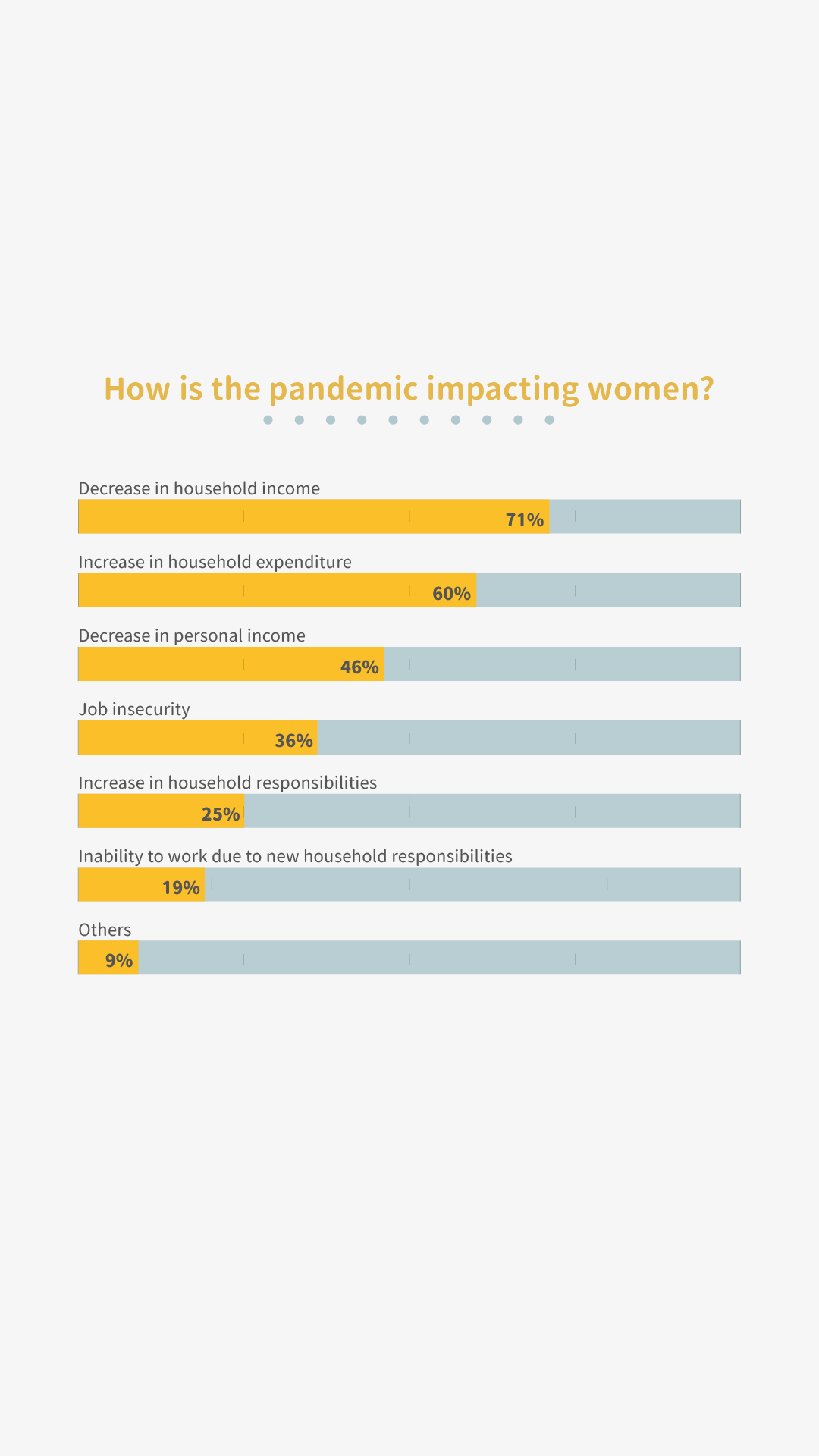
According to the Pandemic Grassroots Women Concern Group, 70 percent of respondents said their household income had fallen due to the pandemic, and nearly half said their personal income had fallen, while 60 percent said their household expenditure had risen.


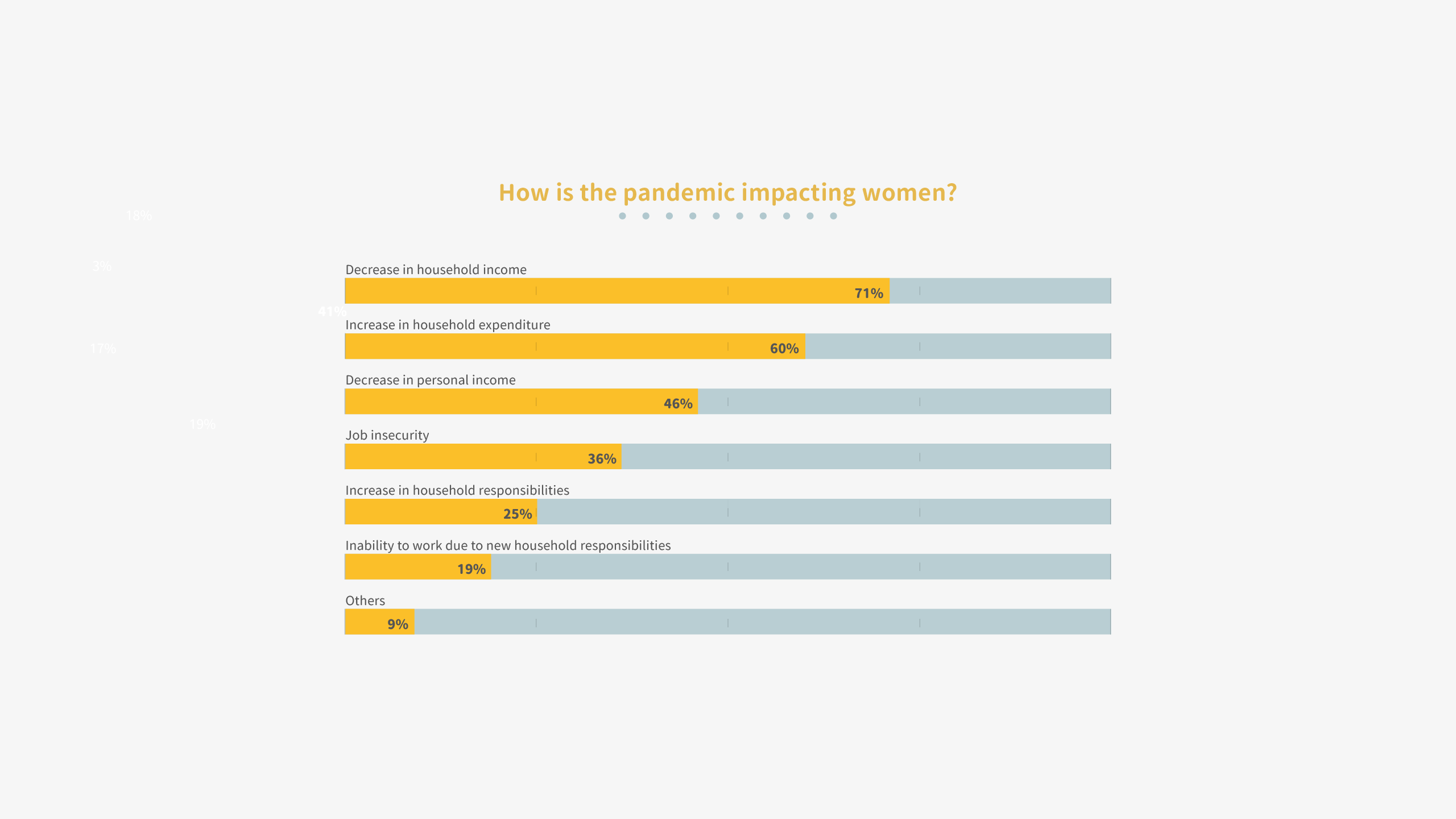
According to the Pandemic Grassroots Women Concern Group, 70 percent of respondents said their household income had fallen due to the pandemic, and nearly half said their personal income had fallen, while 60 percent said their household expenditure had risen.
Before coronavirus, Meixiang’s salary was 13 yuan per hour. Now, it's 12 yuan an hour, and there is no overtime available in the evenings anymore.
It takes her more than 40 minutes get from to the factory from where she is living. Part of the route requires her to get an electric pedicab, which costs 10 yuan.
That cost was once covered by a 10 yuan transportation subsidy. The factory also used to provide lunch for workers, but that has been discontinued, so she has to pay for her own food now as well.
Meixiang's husband currently works, but he is also at risk of losing his job.
This time last year, Meixiang would have normally have had a little money left over after paying her children's tuition, as well as the rent, water and electricity bills.
"This year, I've had nothing left," she says.
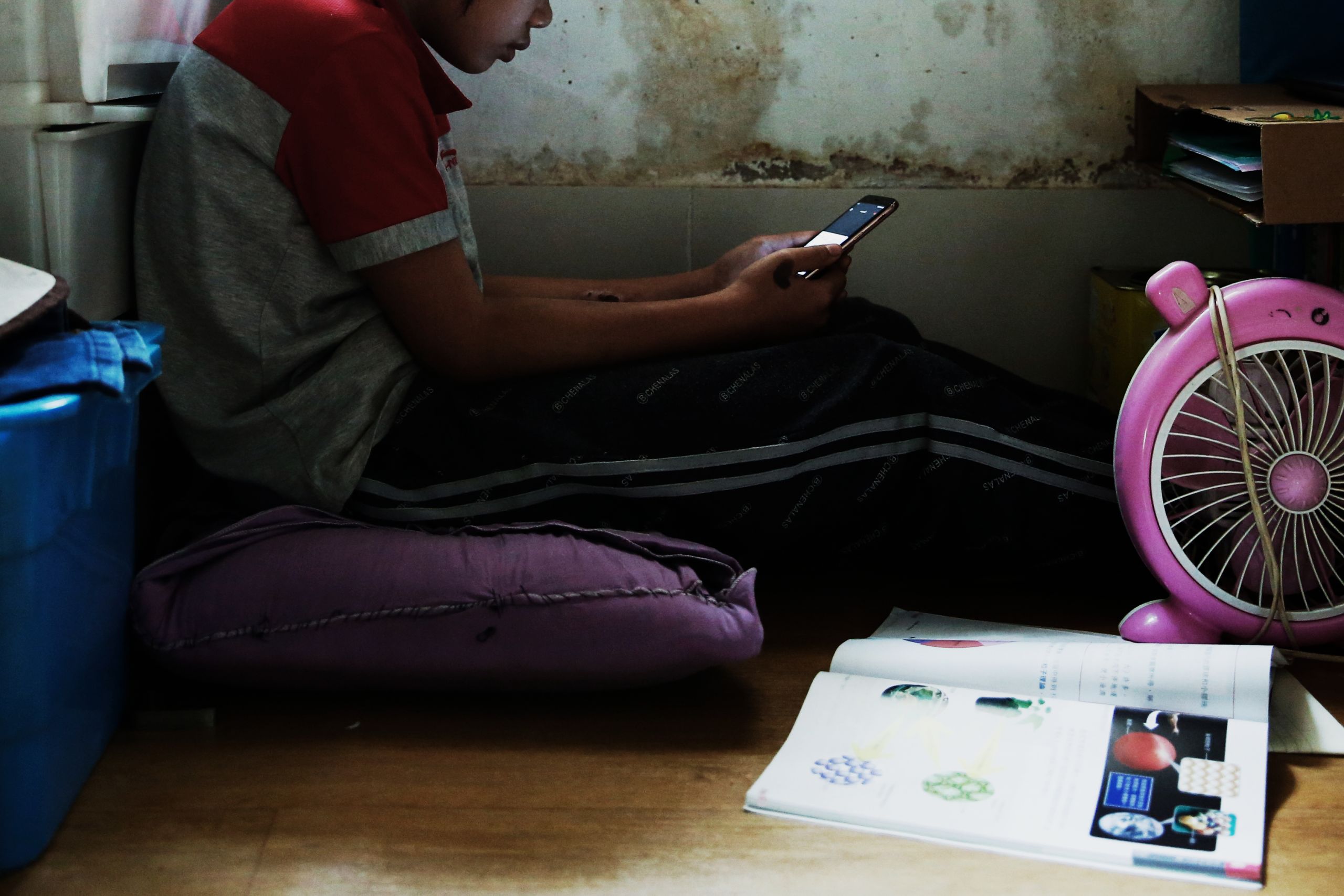
Schools have yet to reopen, so her children need her smartphone to attend school online. But Meixiang also needs to scan her health code to clock on at the factory.
What to do? In the end, it is decided that her husband will work, while she stays home with the phone. For as long as the children are taking online classes, she will be unable to work.
They still need to eat, however. So Meixiang takes casual piecework she can do sitting at home, making just 30 yuan a day for 1,000 items at three cents apiece.
She doesn't think another factory will hire her now. Meixiang has been in Shenzhen for more than 10 years. She knows only too well that women in their 40s find it hard to get jobs.
"The better jobs don't go to older people. As soon as they see your ID card, they'll reject you," she says.
"If we really can't make ends meet, we'll have to go back home, and work the land," she says.
At least then the family would have enough to eat. Back home, they draw their water from a well, unlike in the big city.
"Here, even water costs money," she says.
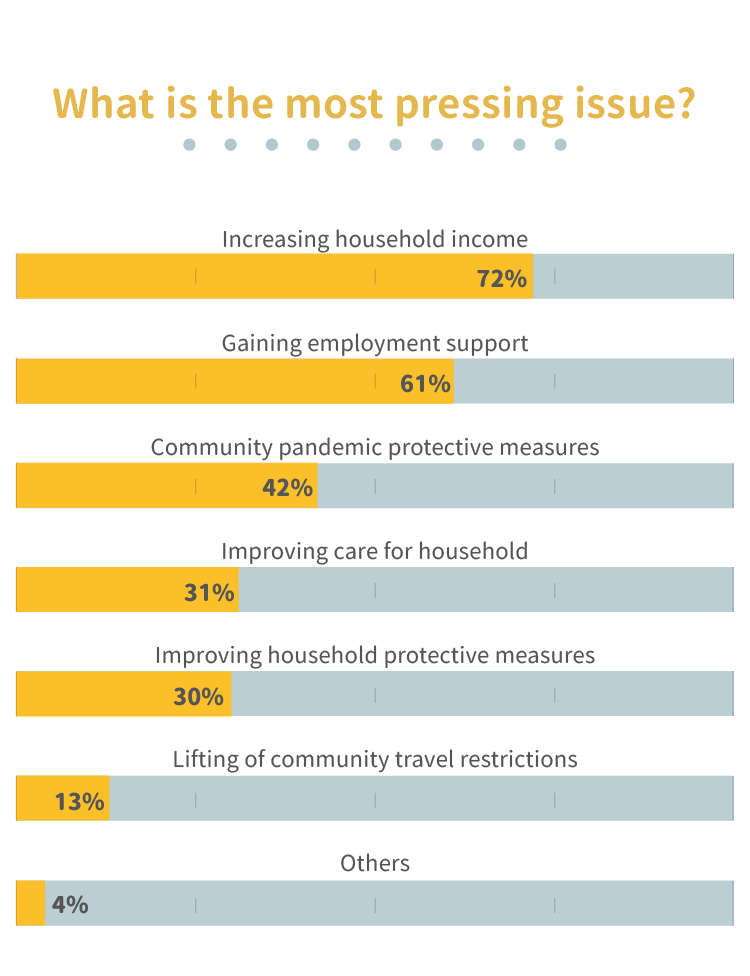
More than 70 percent of survey respondents said they hoped to increase their family income, and more than 60 percent wanted to receive some form of employment assistance.
Meixiang never went to school and is illiterate, meaning that she has never signed an employment contract. She knows nothing of social security funds, nor of unemployment insurance.
She can't figure out how to apply for the rescue packages that are being reported in the media. She thinks maybe only the worst-hit residents of Hubei Province would be eligible for them anyway.

Intensive caring duties

There are also severe difficulties in the domestic help industry, where the average worker age is over 50 and nearly every worker is a woman.
Yumei from Henan, 50, is a domestic helper in Beijing.
When Yumei was younger, she worked on a construction site where she accidentally fell from a height. Although she recovered from her injuries, she could no longer do heavy work, so housekeeping was one of the few job options open to her.
Beijing’s epidemic prevention and control measures have been among the strictest in the country.
Without a separate residential address, Yumei is unable to enter Beijing for isolation purposes, so she can't go back to work.
She will return to Beijing as soon as quarantine is lifted. But the former employer says she can't employ Yumei anymore because money is tight, and that she is going to take care of her child herself.
The pandemic has meant that many women who once hired domestic helpers are now doing that work themselves. Working families don't have the financial means to hire a nanny, and so the burden falls more heavily on the women in those families.
But they are also expected to work outside the home and contribute to household expenses. This double burden is a key contributor to their sense of anxiety.
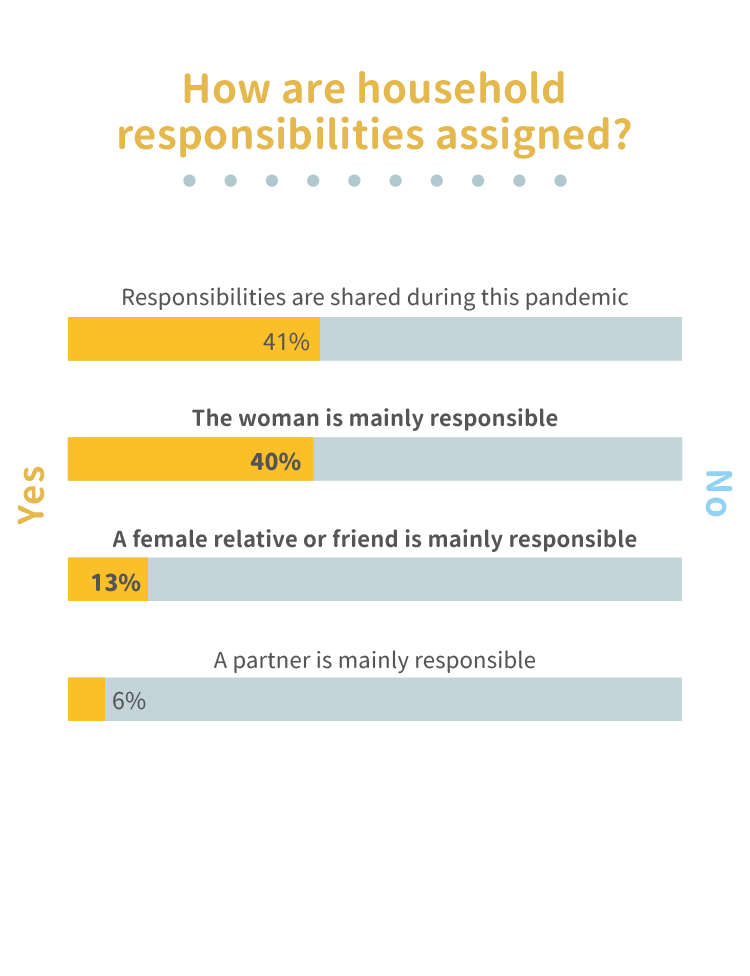
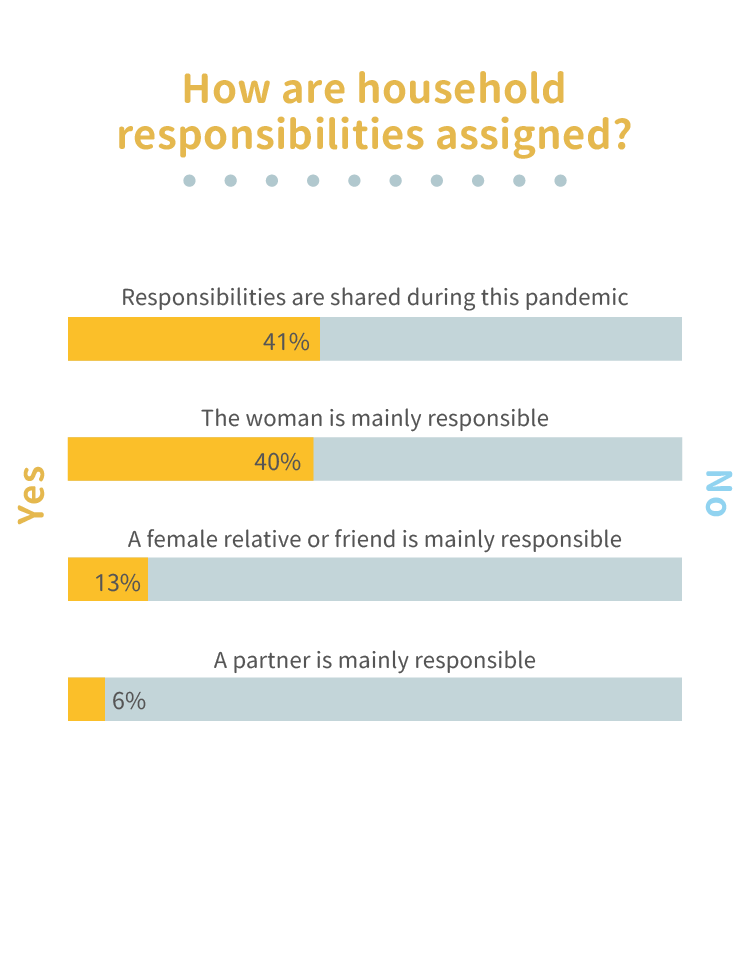
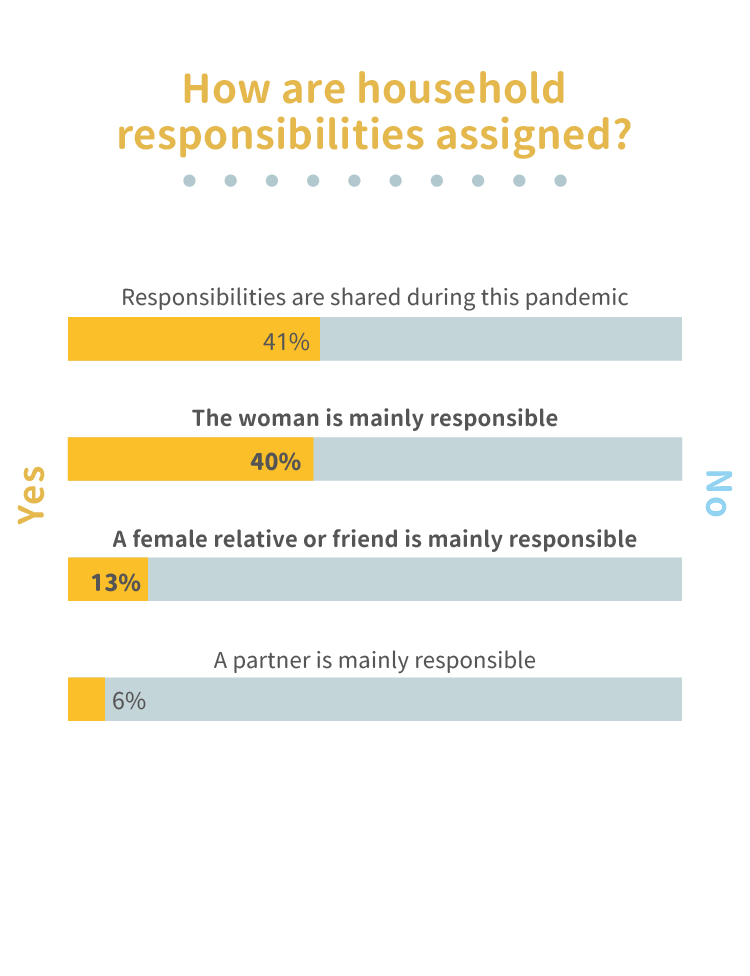
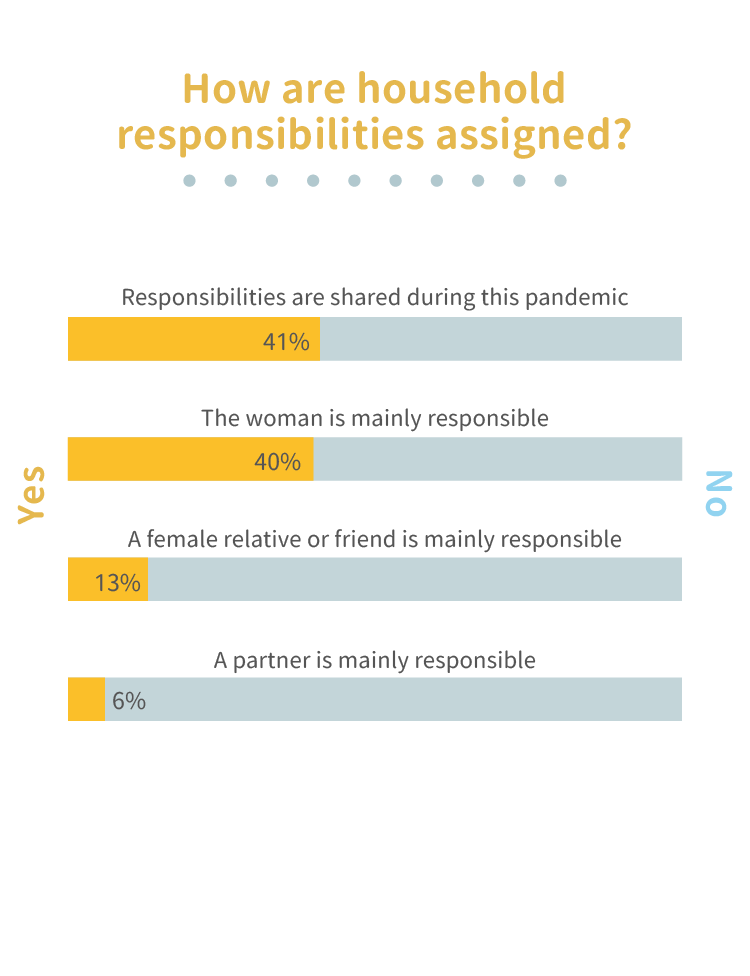
The survey found that married working-class women do more than half of the household chores, with the help of other female relatives and friends.
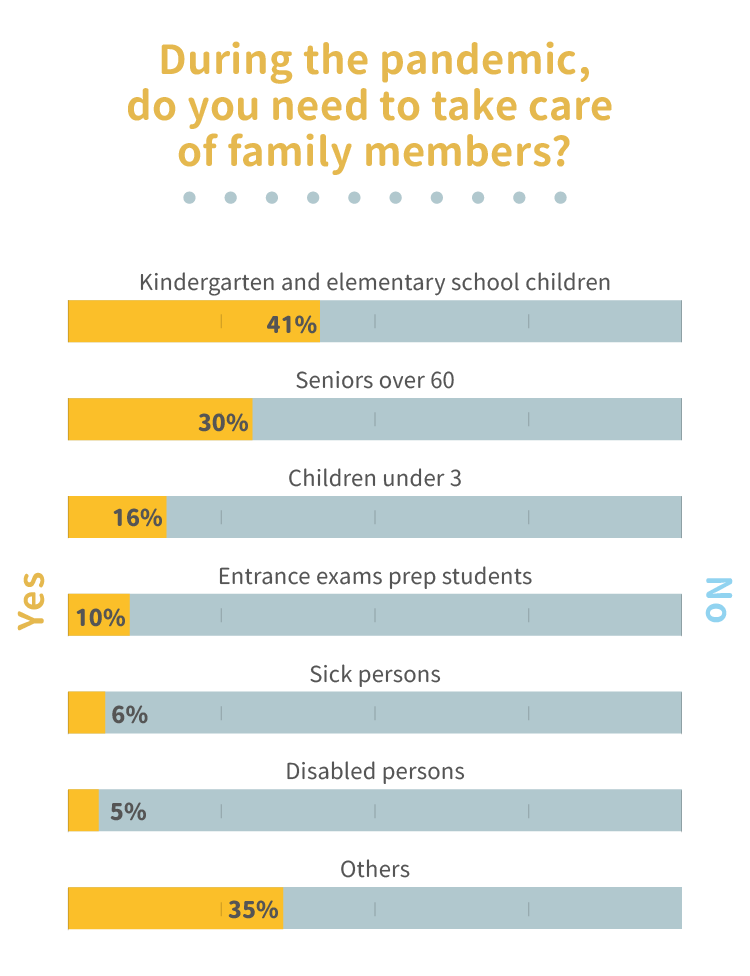
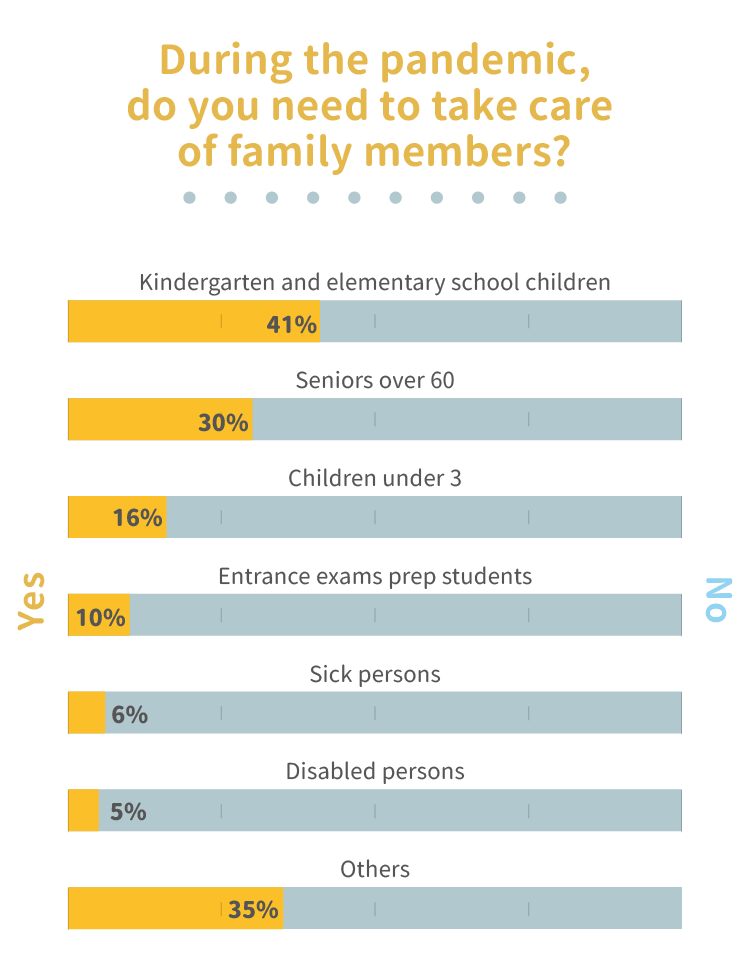
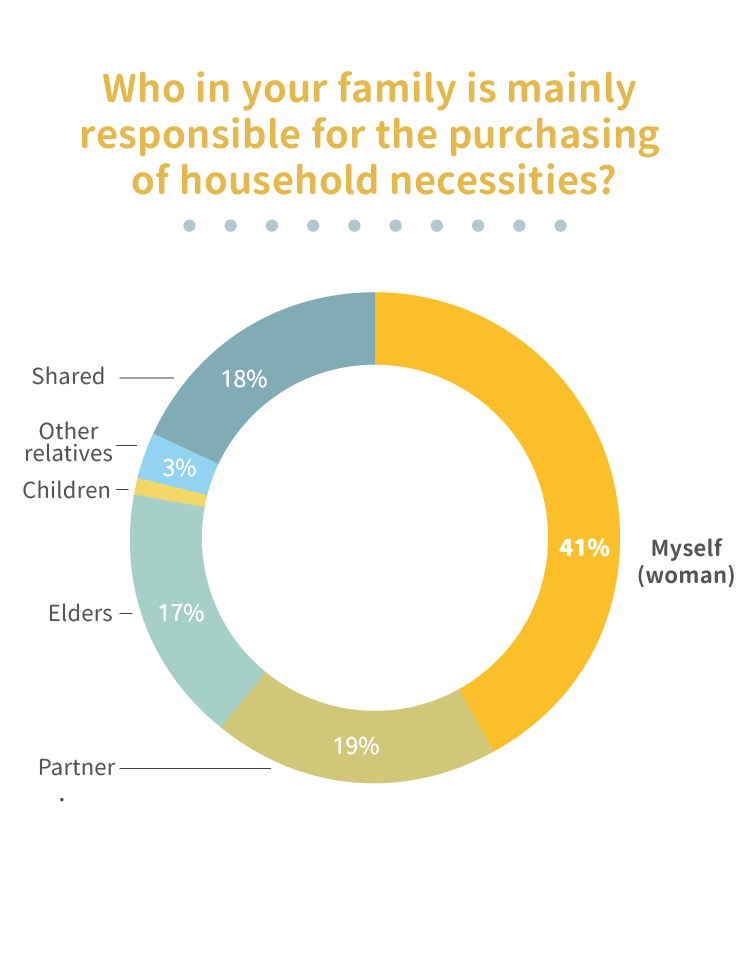
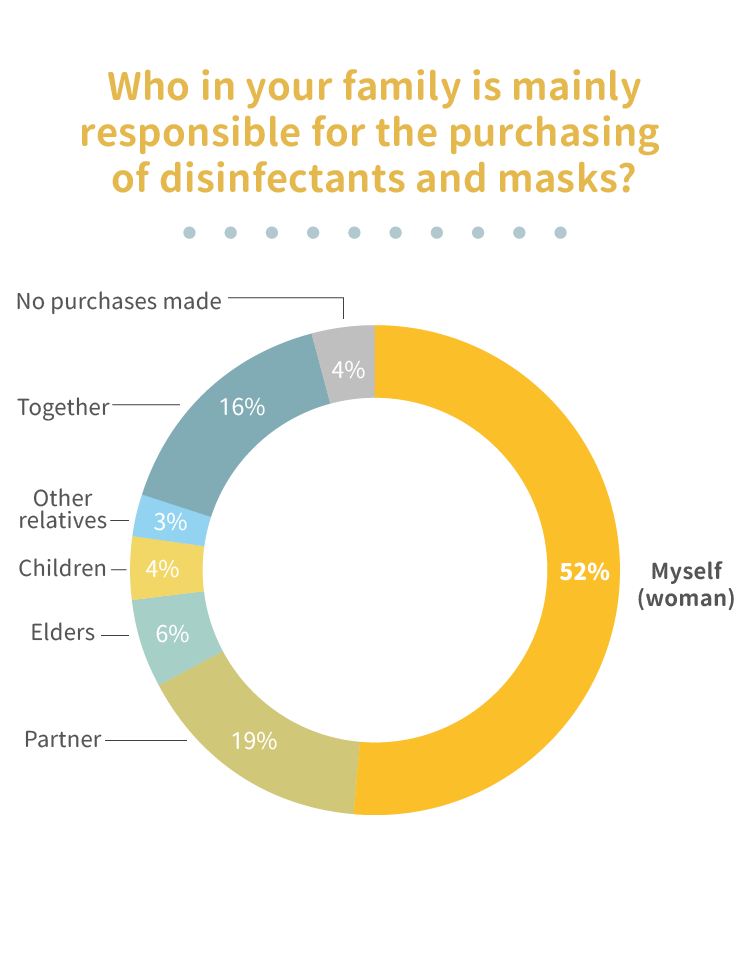
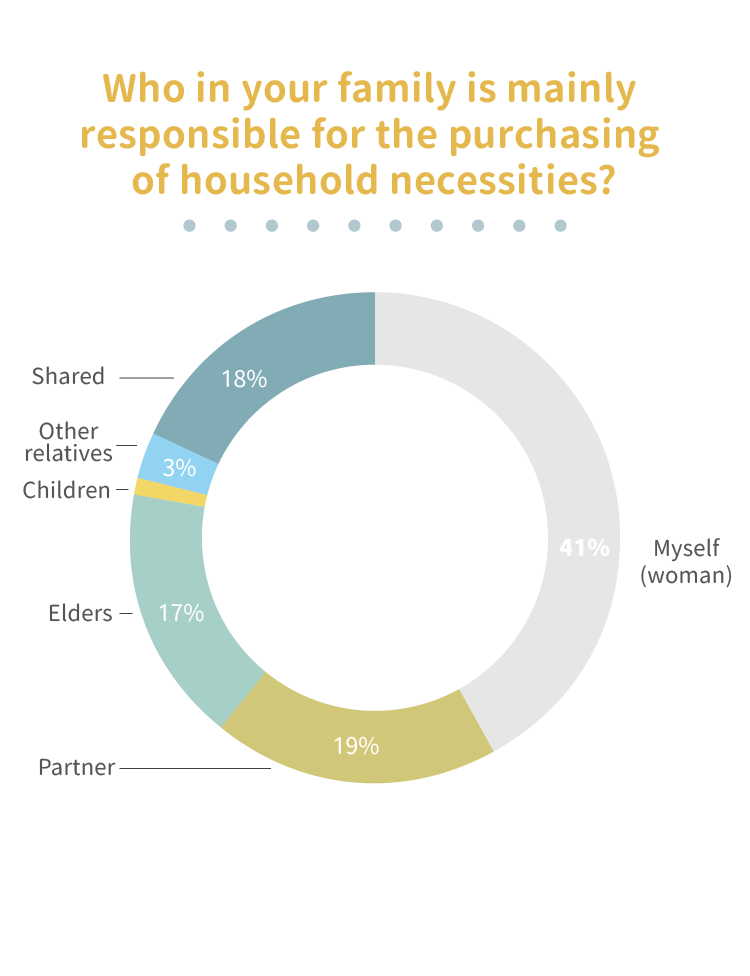
More than half of the interviewees have kids at home, while 60 percent are caring for elders over 60. More than 40 percent said buying household supplies and locating disinfection products also fell to them.

There are also severe difficulties in the domestic help industry, where the average worker age is over 50 and nearly every worker is a woman.
Yumei from Henan, 50, is a domestic helper in Beijing.
When Yumei was younger, she worked on a construction site where she accidentally fell from a height. Although she recovered from her injuries, she could no longer do heavy work, so housekeeping was one of the few job options open to her.
Beijing’s epidemic prevention and control measures have been among the strictest in the country.
Without a separate residential address, Yumei is unable to enter Beijing for isolation purposes, so she can't go back to work.
She will return to Beijing as soon as quarantine is lifted. But the former employer says she can't employ Yumei anymore because money is tight, and that she is going to take care of her child herself.
The pandemic has meant that many women who once hired domestic helpers are now doing that work themselves. Working families don't have the financial means to hire a nanny, and so the burden falls more heavily on the women in those families.
But they are also expected to work outside the home and contribute to household expenses. This double burden is a key contributor to their sense of anxiety.
The survey found that married working-class women do more than half of the household chores, with the help of other female relatives and friends.
More than half of the interviewees have kids at home, while 60 percent are caring for elders over 60. More than 40 percent said buying household supplies and locating disinfection products also fell to them.

Zhang Yan from Panyu in the southern Chinese province of Guangdong has twin daughters who are in second grade.
She and her daughters get up early every morning. After breakfast, Zhang takes out her smartphone so her daughters can tune into livestreamed classes, and sits with them through class.
"You need to constantly watch them, otherwise they will get distracted and go on other sites, search for stuff on Baidu, or watch videos on Douyin," Zhang says.
Once the morning classes are over, she cooks up a quick lunch. The two daughters are growing up, but they are still picky eaters, so she needs to give them lots of variety.
After lunch she washes the dishes. But just as she's hoping to get a short rest, the girls, who have nowhere else to let off steam, start getting rowdy. They annoy each other, and seem to fight all the time. There has even been a face-biting incident.
Class continues in the afternoon, and homework must be handed in after class, so Zhang takes photos of the girls' written homework every day. She also needs to video them doing their reading homework and send the files to the teacher. And in the midst of all the mayhem, it's time to cook dinner again.
In the evening, she cleans and tidies the home, and runs a bath for her daughters. Only then does she get a short break. Her husband doesn't usually get home from work until after 10 p.m.
For the moment, her husband’s hours have been cut and he is at home during the day, but he still doesn't help with the household chores.
Zhang Yan thinks this is too much, and sometimes loses her temper. She also yells at the kids; she can't stop herself.
Zhang needs to buy some masks online, but her husband, who is a chef, doesn’t know how. She even has to help him apply for his own health code.
The girls are very good at watching videos on Douyin, but asking them to help doesn't exactly lighten her workload.
She manages to acquire 50 masks from well-connected friends via WeChat, but worries this won't be enough. She tries a mask-buying app based in Panyu, but doesn't manage to snag any there.
"There are three of them sitting around at home all day with nothing to do, but I'm the only one doing any work," Zhang says. "Apparently it's my job, but not any of theirs," she says.
How does her family react to the complaints? Sometimes the husband helps take care of the children and cooks the occasional dinner.
More often than not the response she gets is: "Mom is angry, let's get outta here!"

Academics studying women and the workplace say that women have borne the brunt of caretaking responsibilities during this pandemic. Their existing responsibilities have expanded to include providing family members with protection, materials, and supplies, as well as healthcare and emotional support during quarantine.
If they are to stick to government guidelines of not eating out - or doing so less often - during the pandemic, mothers like Zhang Yan are expected to provide their families with freshly cooked meals, as well as devoting more energy on cleaning and disinfection work.
The pressure is worse for working class women, who already bear the brunt of household tasks, and who may lack access to necessary information.
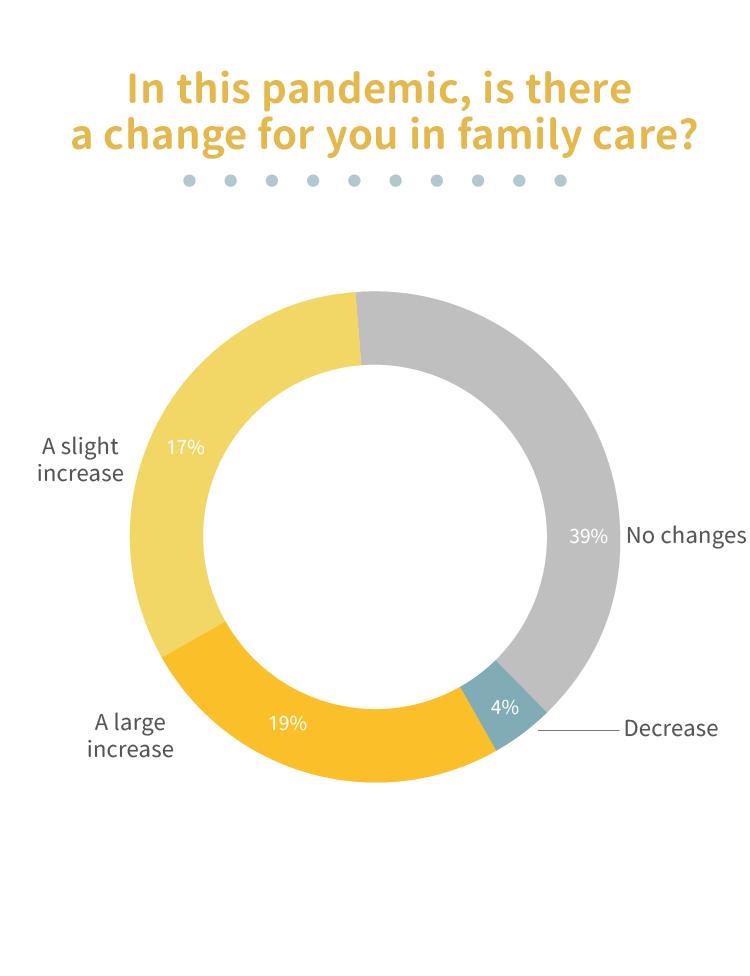
According to survey data, more than half of the women said their caretaking duties in the family home had increased during the pandemic. And around one quarter of those interviewed said they had "greatly increased."



Lack of government assistance

Women are also facing more domestic violence during the pandemic, on top of greater psychological pressure and a bigger workload.
Migrant worker Dandan left Shenzhen just before Lunar New Year in January, traveling back to spend the new year celebrations in her hometown in the central province of Hubei.
She single-handedly bought up hundreds of masks ahead of her trip for her family, and stocked up on three months' worth of chronic disease medication for her parents. But her parents, brothers, and relatives did not take the coronavirus epidemic as seriously, and kept wanting to go out, telling her that she was worrying too much.
Every day, a neighbor sneaks into their home from a neighboring village to play mahjong.
On the eve of Lunar New Year, Dandan's father and brother were determined to go out, so she stole their keys and locked both the front and back doors. Her father called her a shameless harpy, while her brother scolded her for being paranoid, among a bunch of other insults.
In addition to the verbal abuse, her father beat her with a cane.
All through the pandemic, the media have been reporting that ordinary laborers are facing various difficulties. The most common request from people online is that the government establish various assistance programs.
WhyNot asked a scholar familiar with women's social assistance programs, who said that the All-China Women's Federation has held a number of online lectures in Beijing, Tianjin, and other places, as well as setting up helplines for women.
But none of the women we interviewed for this article had access to that information.
The scholar said there is a vacuum when it comes to social assistance for working-class families during the pandemic.
Working-class women lack legal protection even in ordinary times, and nationwide back-to-work programs can't fill those legal loopholes. The pandemic has reduced the overall quality of life of these families. And yet, being recognized as poverty-stricken by the government is an onerous procedure itself.
Some social workers believe that efforts should be made to ensure that such information gets to residential neighborhoods. Online information, with its relatively high access barrier, can't help alleviate the urgent situations some working class women, who may have a low level of education, find themselves in.
They don't need a lecture, so much as to find a job urgently, or to preserve their income by hanging on to their existing jobs.
The survey also asked respondents about their anxiety levels. The results showed that the average anxiety of working women affected by the pandemic exceeded six points out of 10.
In the months since the pandemic began, those levels remained high, even though there has been a slowdown in the pandemic in China.
 Built with Shorthand