
The New Inequality:
The "Redistribution" of Mobility during the Pandemic
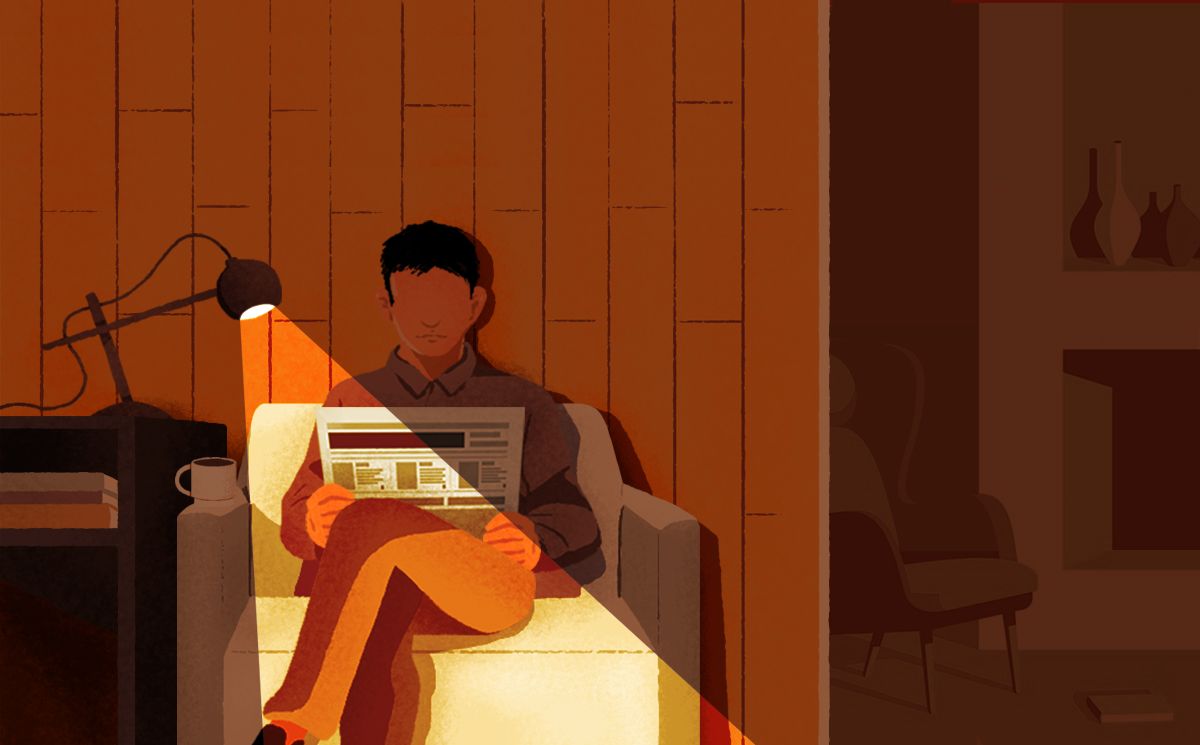

Mobility is a kind of capital. A person's mobility and opportunities can bring tangible benefits. However, during the epidemic, mobility is no longer capital. The people who truly hold resources are able to be ‘immobile’- they outsource their mobility behavior to other people, such as takeout delivery workers, couriers, security guards, and cleaners, so that life can continue for them during the epidemic. This type of "outsourcing" constitutes a "redistribution of mobility." The question is, along with the visibility that the epidemic has brought these service workers, will it also give them a voice and bring about more benefits?
In recent years, many studies have pointed out that the distribution of people's spatial mobility opportunities is unequal. Your nationality, passport, education, race and gender will all affect your opportunities for mobility. Mobility inequality is an important component of social inequality in other dimensions. Some scholars even have put forward the concept of "mobility capital," emphasizing that a person’s mobility and opportunities, just like economic capital (wealth), human capital (education) and social capital (interpersonal relations), will bring tangible benefits. Moreover, mobility capital can be exchanged for other forms of capital.
(Further reading: The Ins and Outs of Pandemic Home-Schooling)
However, with the pandemic situation, mobility is no longer capital: staying in place is now the embodiment of resources and ability. Only those who have certain conditions can go without leaving their homes for extended periods without affecting their income and quality of life. These people obviously need the mobility of other people, such as drivers, delivery staff, supermarket workers, cleaning personnel, caretakers, security, maintenance, and other service personnel in order to maintain their "immobility." These types of support personnel are an important part of the "Key Workers" through which other people "outsource" their mobility activities to, forming a "redistribution of mobility."
The redistribution of mobility clearly illustrates existing inequalities on a global scale while simultaneously strengthening them. In the United States, Black Americans are 3.5 times more likely to die from the novel coronavirus than whites, and the death rate of Latino Americans is nearly twice that of whites. One of the main reasons for the high rate of infection and death rate among ethnic minorities is that many of them are "essential workers." They must go to work "against traffic," but their daily mobility is fraught with risks. U.S. census data shows that 28 percent of these workers usually take public transportation. Black Americans account for 12 percent of the total workforce in the United States, but account for nearly 30 percent of people in essential industries that rely on public transportation.
When mobility is redistributed, public transportation is no longer so "public." Preliminary surveys in Toronto and London found that more and more people on the subway and buses are disabled, low-income and ethnic minorities. In London, an Uber driver from India insisted on working during the pandemic and contracted the virus. But he didn’t dare go to the hospital for an examination, worried that if his landlord found out he was infected he would evict him, and unfortunately he ultimately died.
The specific forms and effects of social inequality are constantly changing. If we want to examine how inequality changes and regenerates, especially how it may further evolve after the pandemic, we need to examine specific ways of redistributing mobility. The redistribution of mobility can be divided into two types: mandatory redistribution and commercial redistribution. Mandatory redistribution is short-term and forceful. Commercial redistribution involves more complicated changes in economic and social relations, and the effect may be more long-term.

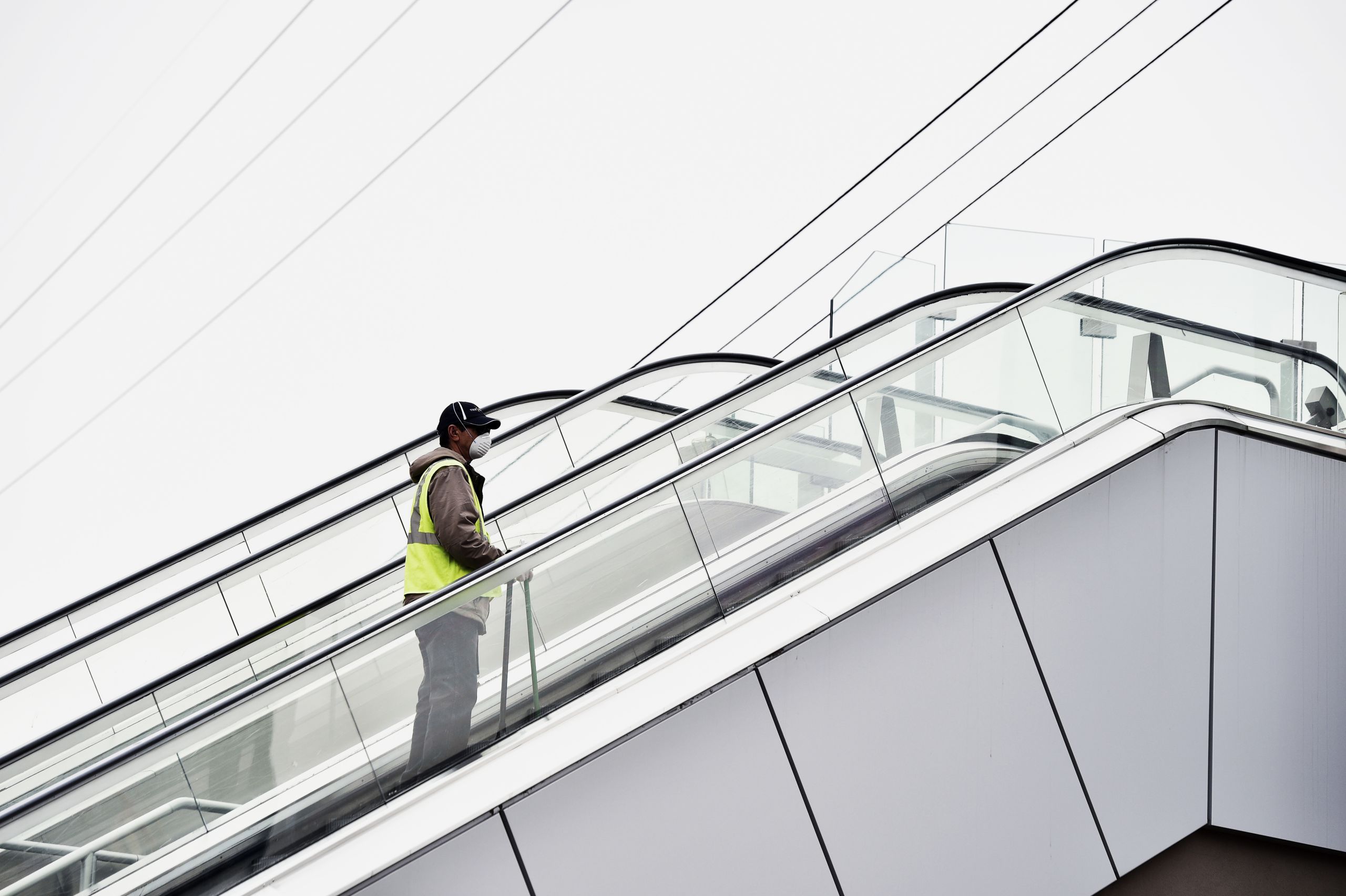
A cleaning crew member rides an escalator in Las Vegas after all the casinos and non-essential businesses were ordered to shut down. (Photo: AP / David Becker)
A cleaning crew member rides an escalator in Las Vegas after all the casinos and non-essential businesses were ordered to shut down. (Photo: AP / David Becker)

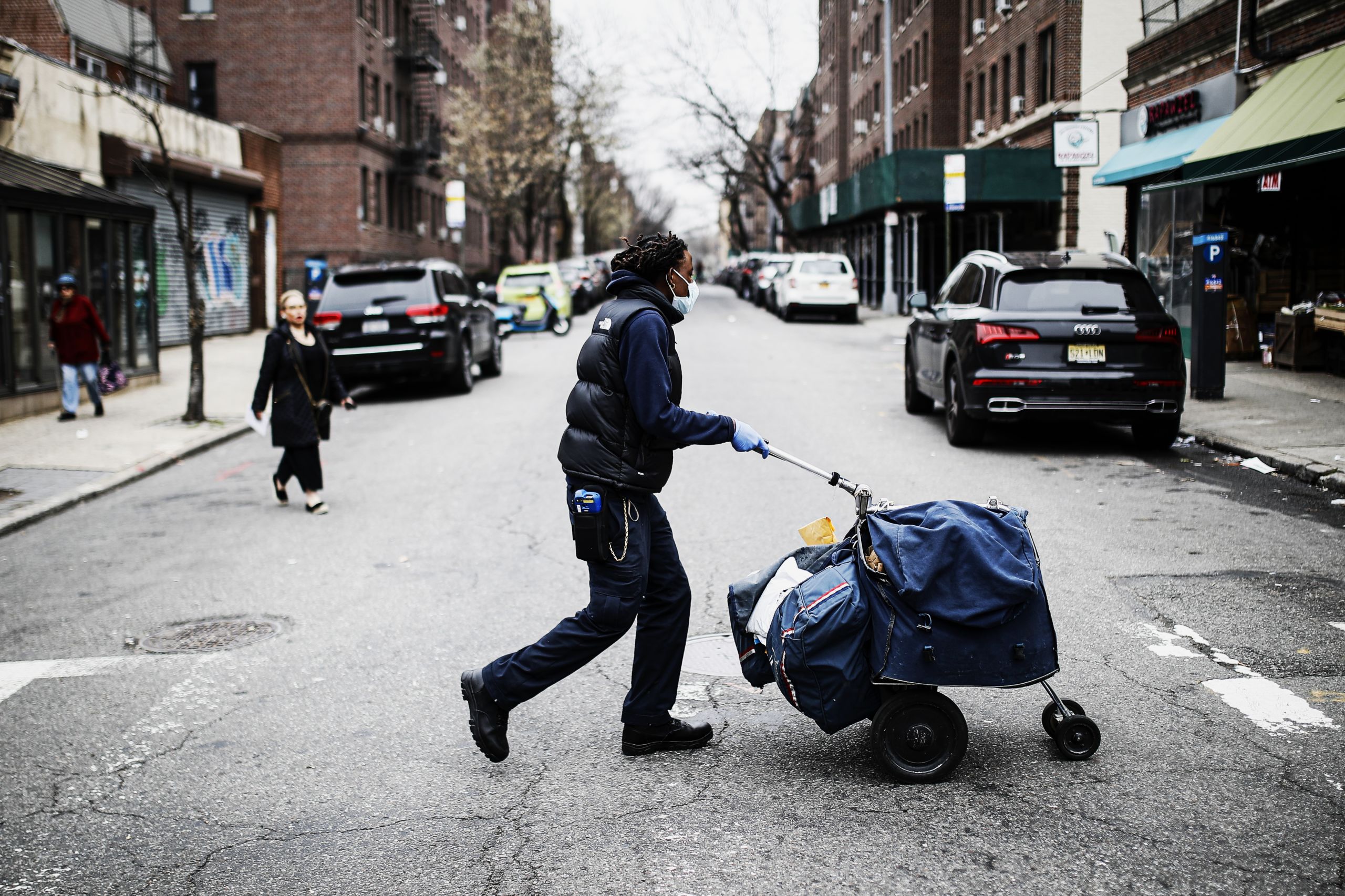
A postal worker wears a protective mask and gloves while operating a route in Queens, New York. (Photo: AP / John Minchillo)
A postal worker wears a protective mask and gloves while operating a route in Queens, New York. (Photo: AP / John Minchillo)

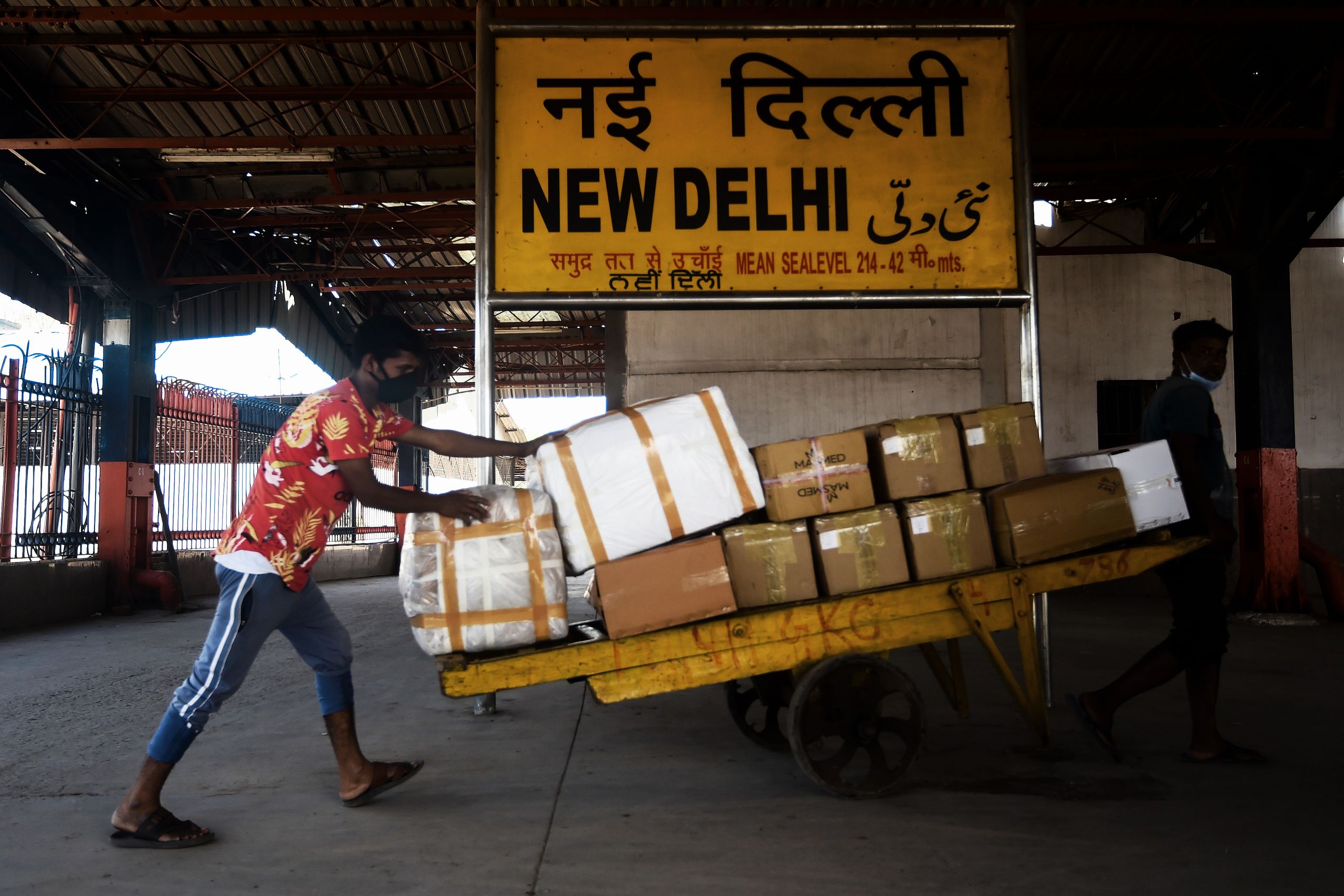
During the nationwide lockdown in India, workers pull up a cart with medical aid and other essential necessities to the railway station to be sent to other states. (Photo: AFP / Money Sharma)
During the nationwide lockdown in India, workers pull up a cart with medical aid and other essential necessities to the railway station to be sent to other states. (Photo: AFP / Money Sharma)

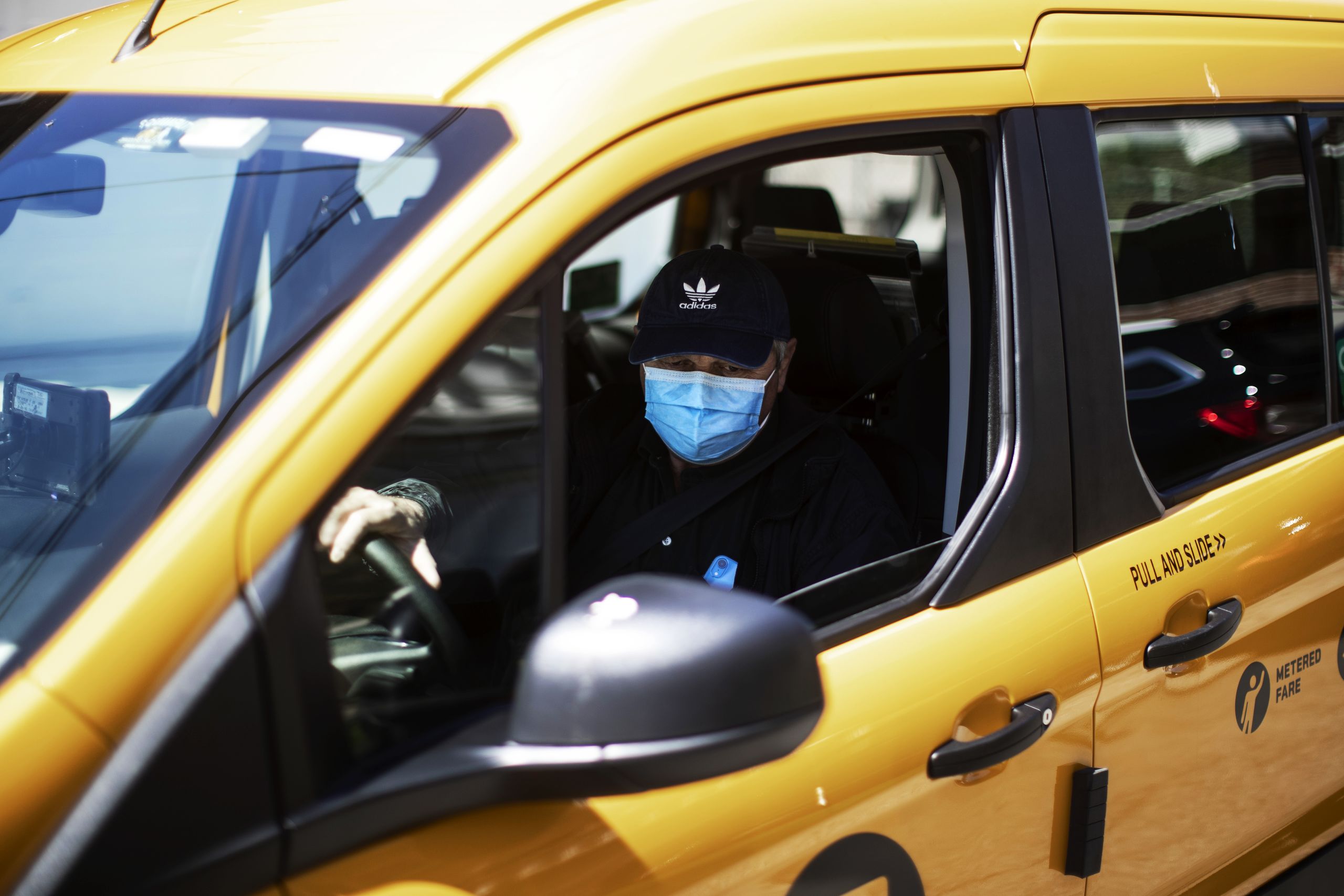
A taxi driver in New York wearing a protective mask. (Photo: Matt Rourke)
A taxi driver in New York wearing a protective mask. (Photo: Matt Rourke)

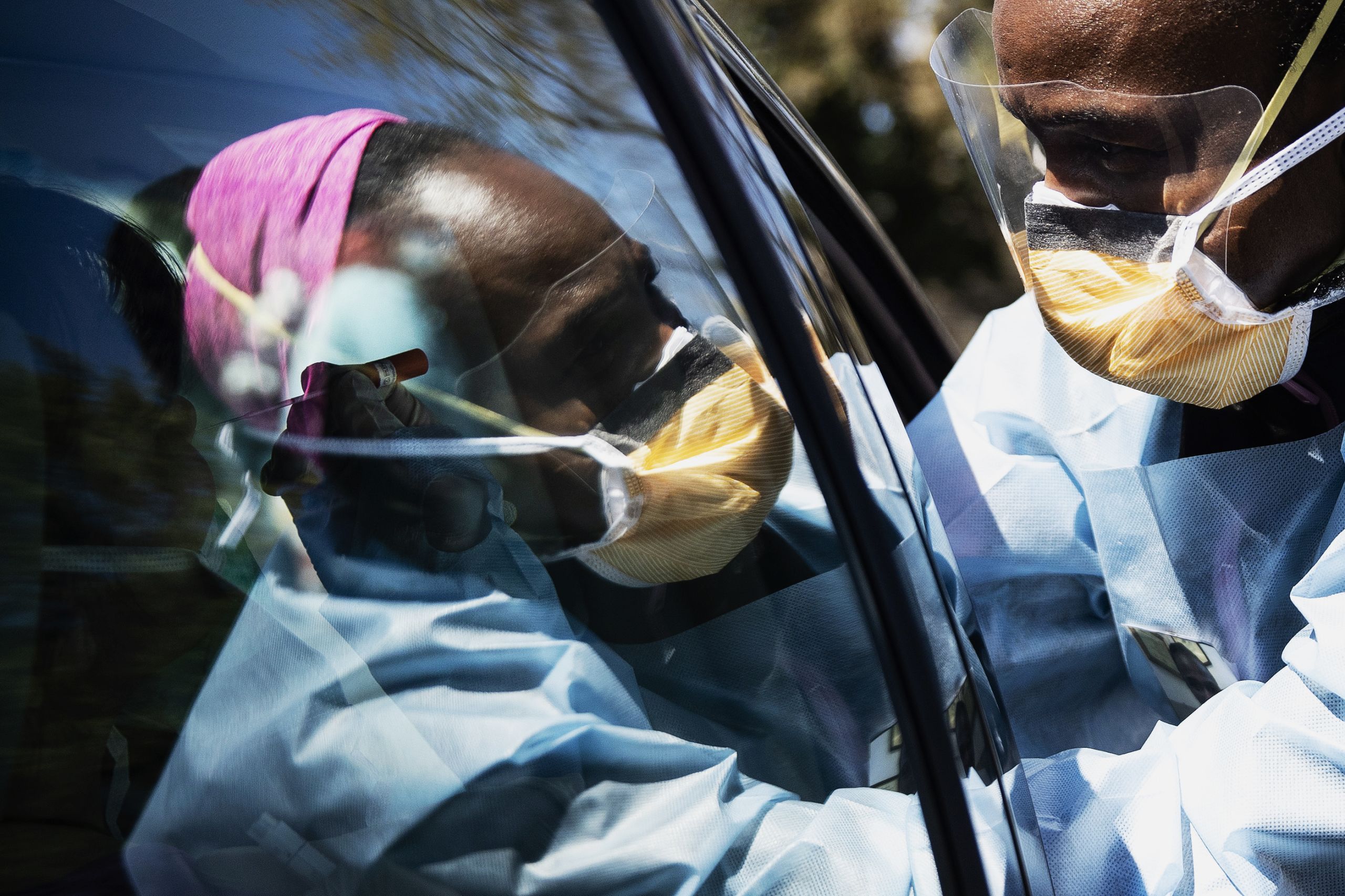
A doctor administers a COVID-19 swab test in a parking lot outside a church in Philadelphia. (Photo:AP / Matt Rourke)
A doctor administers a COVID-19 swab test in a parking lot outside a church in Philadelphia. (Photo:AP / Matt Rourke)

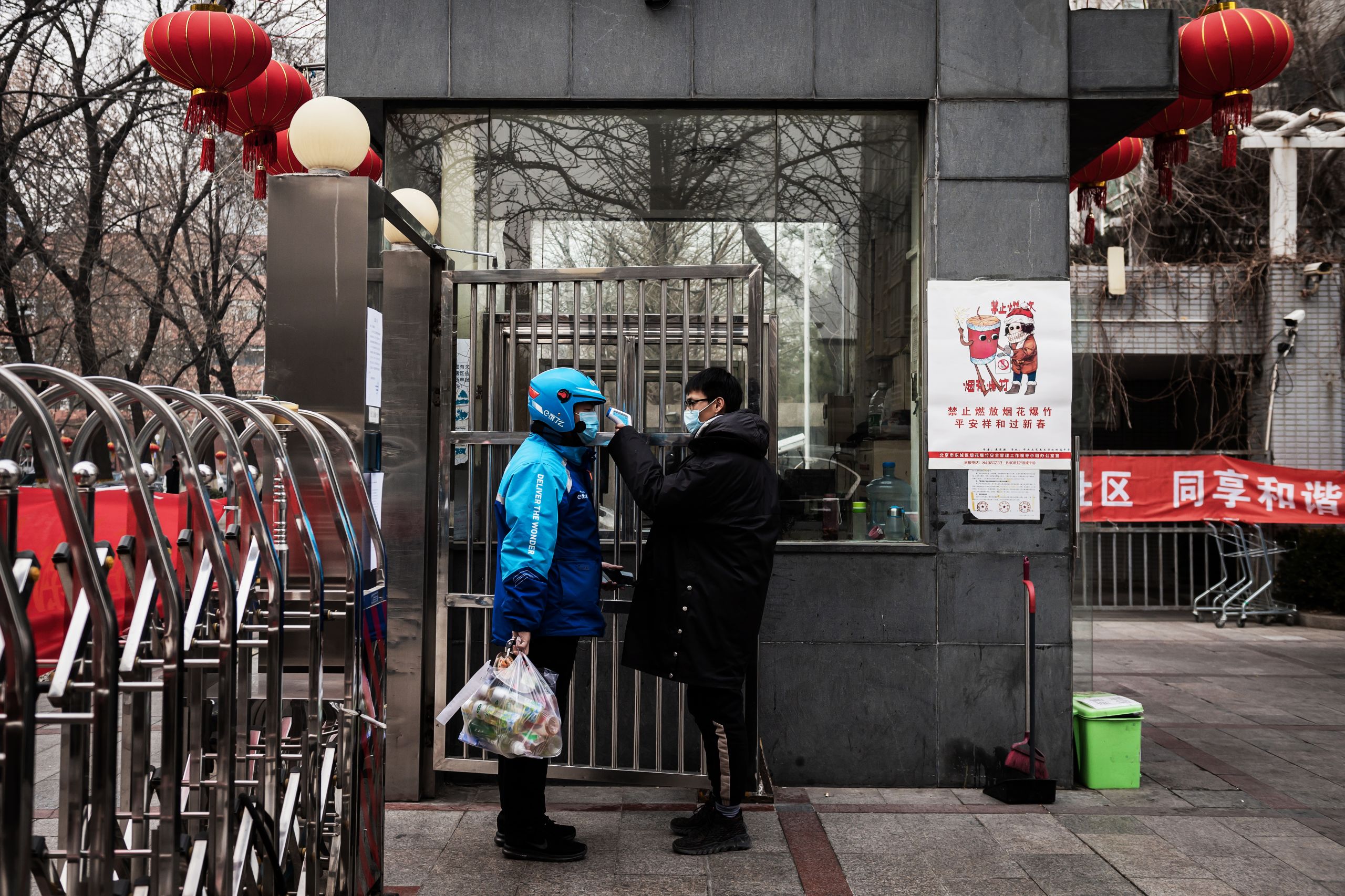
A condominium security guard checks the temperature of a food delivery worker in Beijing. (Photo: AP / Nicolas Asfouri)
A condominium security guard checks the temperature of a food delivery worker in Beijing. (Photo: AP / Nicolas Asfouri)
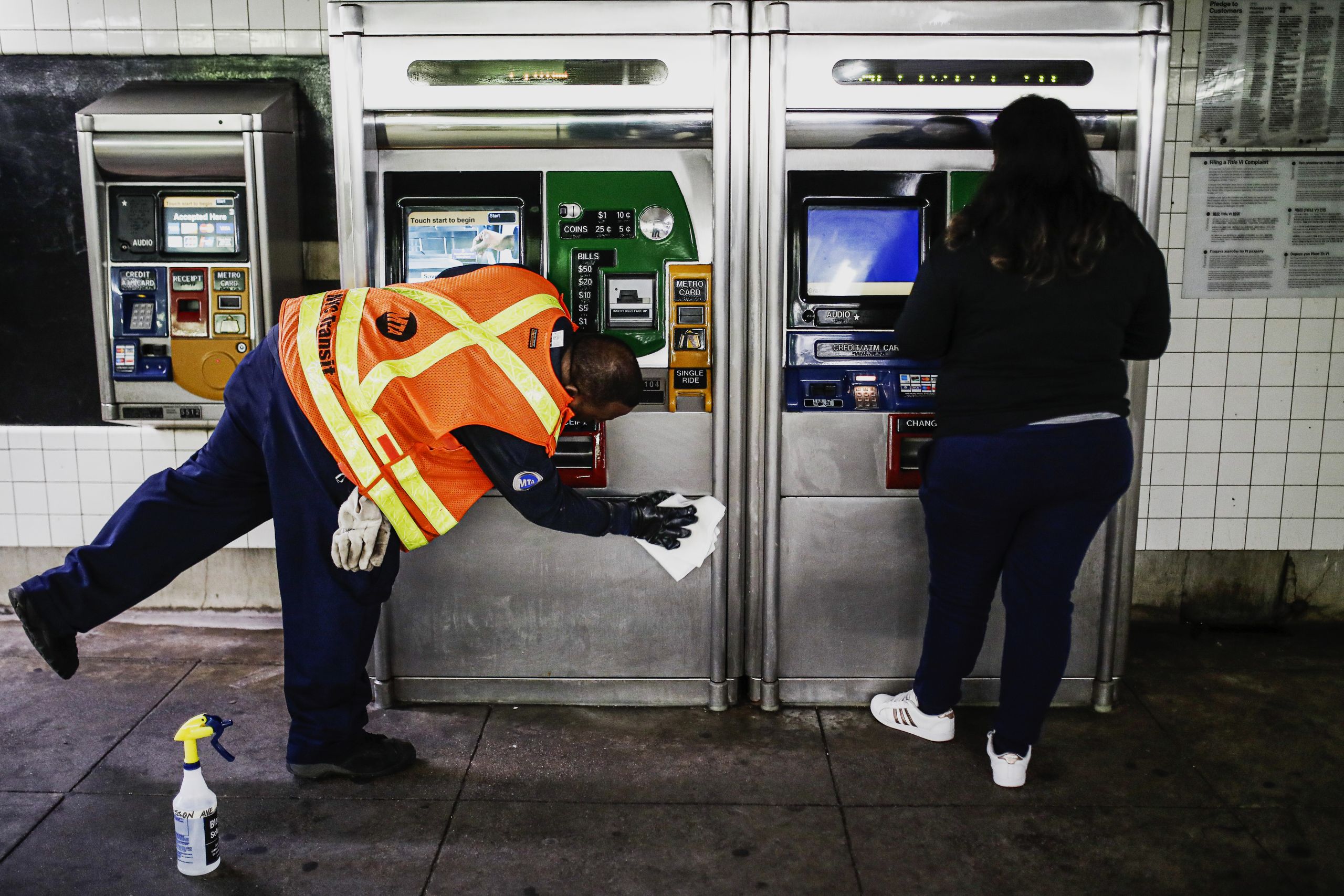
An MTA employee in New York sanitizes surfaces at the subway station. (Photo: AP / John Minchillo)
An MTA employee in New York sanitizes surfaces at the subway station. (Photo: AP / John Minchillo)

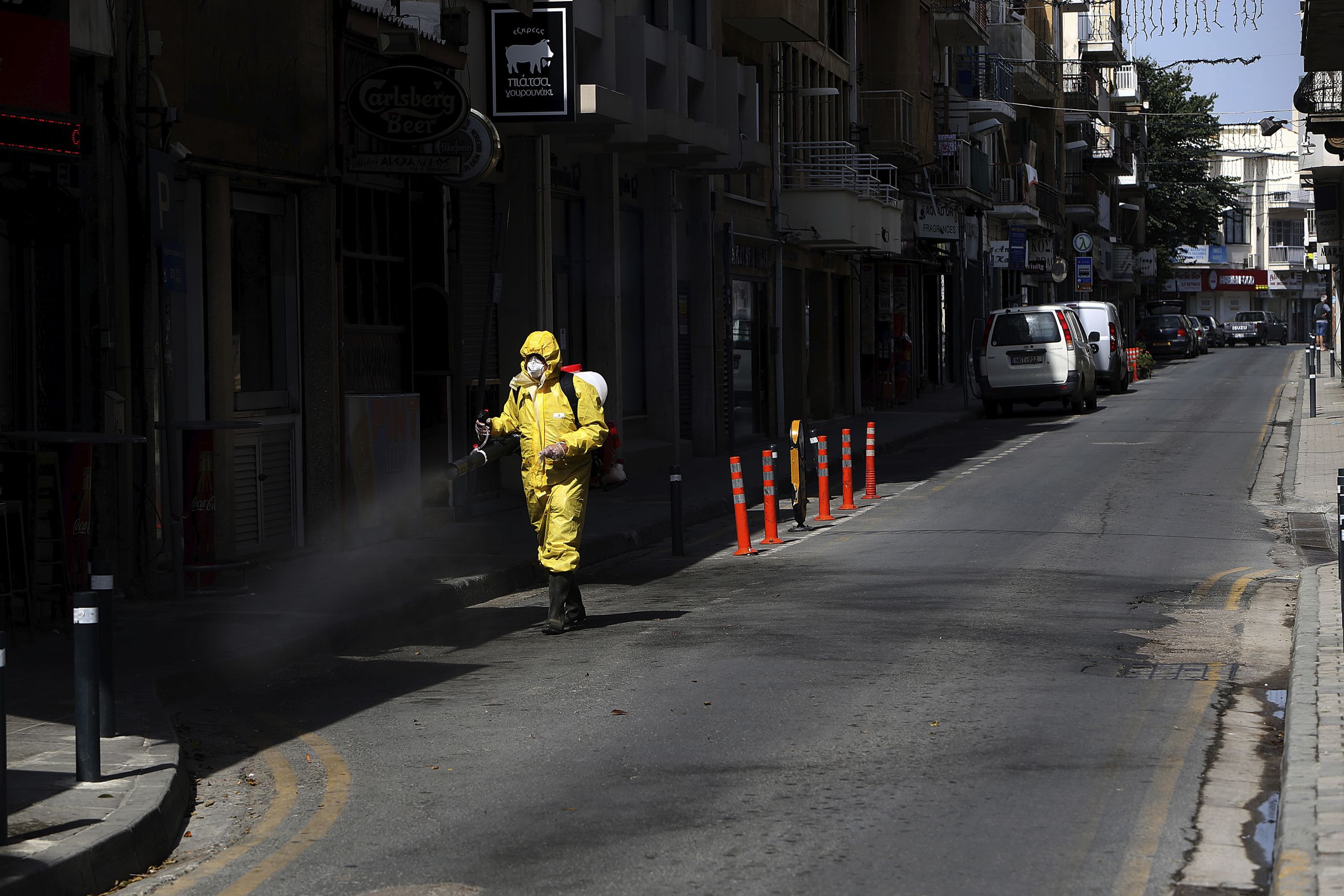
A municipality worker wearing a protective suit sprays disinfectant a deserted pedestrian main street in central Nicosia, Cyprus. (Photo: AP / Petros Karadjas)
A municipality worker wearing a protective suit sprays disinfectant a deserted pedestrian main street in central Nicosia, Cyprus. (Photo: AP / Petros Karadjas)
Mandatory Redistribution

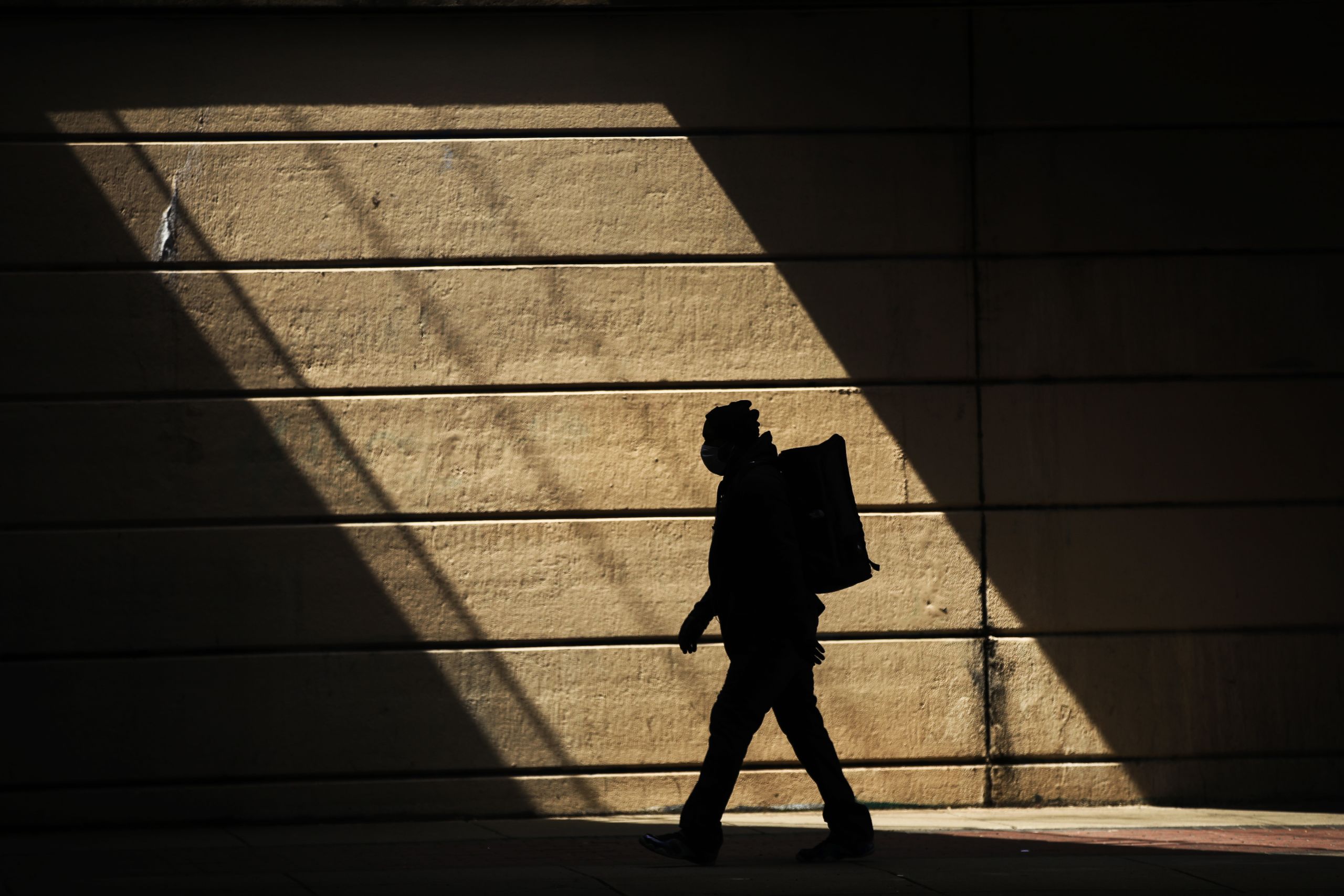
The forced redistribution of mobility among different social groups is particularly evident in India. The Indian government announced on Mar. 24, 2020 that the country would enforce a total stay at home order beginning the very next day. By May 23, about 7.5 million laborers from rural areas working in cities left, urgently desiring to return to their rural homes. As public transportation had already completely stalled, many of these people were forced to go by foot to their homes, carrying their luggage and children. Many people had to walk for 10 days to reach their hometowns. By Mar. 30, 22 migrant workers had died on the road due to traffic accidents, fatigue and hunger.
(Further reading: China’s Coronavirus Hospitals: The Workers’ Story)

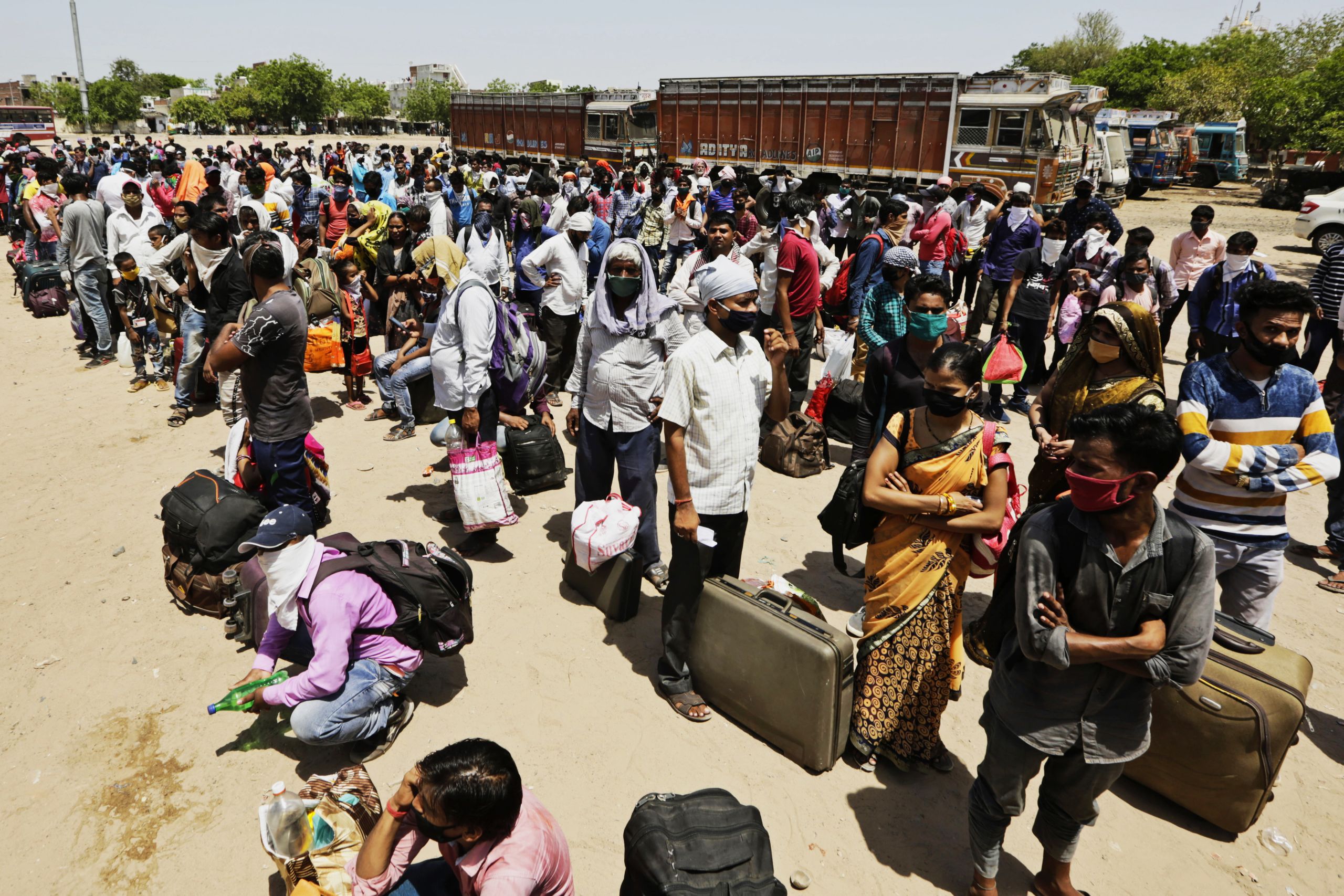
Migrant workers from other states desperate to return to their homes wait for transportation to a train station in Ahmedabad, India. (Photo: AP / Ajit Solanki)
Migrant workers from other states desperate to return to their homes wait for transportation to a train station in Ahmedabad, India. (Photo: AP / Ajit Solanki)
The mobility of Indian migrant workers that shocked the world is largely "distributed" to them by the most powerful groups in society-the government and urban residents. Indian migrant workers have become accustomed to mobility. Many farmers work in cities for a few months then return to the countryside for a few months to resume farming. The lower-income and the lower-caste the farmers are, the more they tend to move periodically between different states; higher-income farmers tend to move short distances or settle in cities. When they arrive in the city, they make a living on mobility to a large extent: as taxi drivers, porters, peddlers, nannies, rickshaw drivers, garbage collectors, construction workers, night watchmen, doormen, etc. In terms of lifestyle, most migrant workers live in rented houses in urban slums. Livelihoods in slums are also highly mobile. For example, the wife of a construction worker who works part-time or helps others in their small businesses. When the husband is not working, the wife’s mobile employment can subsidize the family.
When the government announced the nationwide stay at home order, business owners and urban residents stopped their mobility. Male migrant workers were unemployed due to the suspension of projects, while their wives had no income because they had no mobility. The moment they stopped their mobility is the moment they lost their jobs. They had no money to pay rent or buy food. Going home was the only way to survive. It was the "shock" of urban society that caused the "convulsive" flow of migrant workers.
(Further reading: Working From Home Under Lockdown)
The perspective of mobility redistribution also makes us realize that mobility for those facing the same pandemic has completely different meanings for different groups of people. For example, rich people fled to the suburbs or even to villas overseas during the pandemic to isolate themselves. This type of mobility is likely to bring the virus from central cities to remote areas. But from the perspective of wealthy individuals, this self-protection is very effective, and who can criticize them for moving to their own properties? Their mobility in the pandemic is self-initiated and not controlled by others. However, migrant workers do not have control over their return home, leaving them completely unprepared. Such long and difficult journeys expose them to many dangers, and even then, society regards them as a major source of virus transmission.
Commercial Redistribution

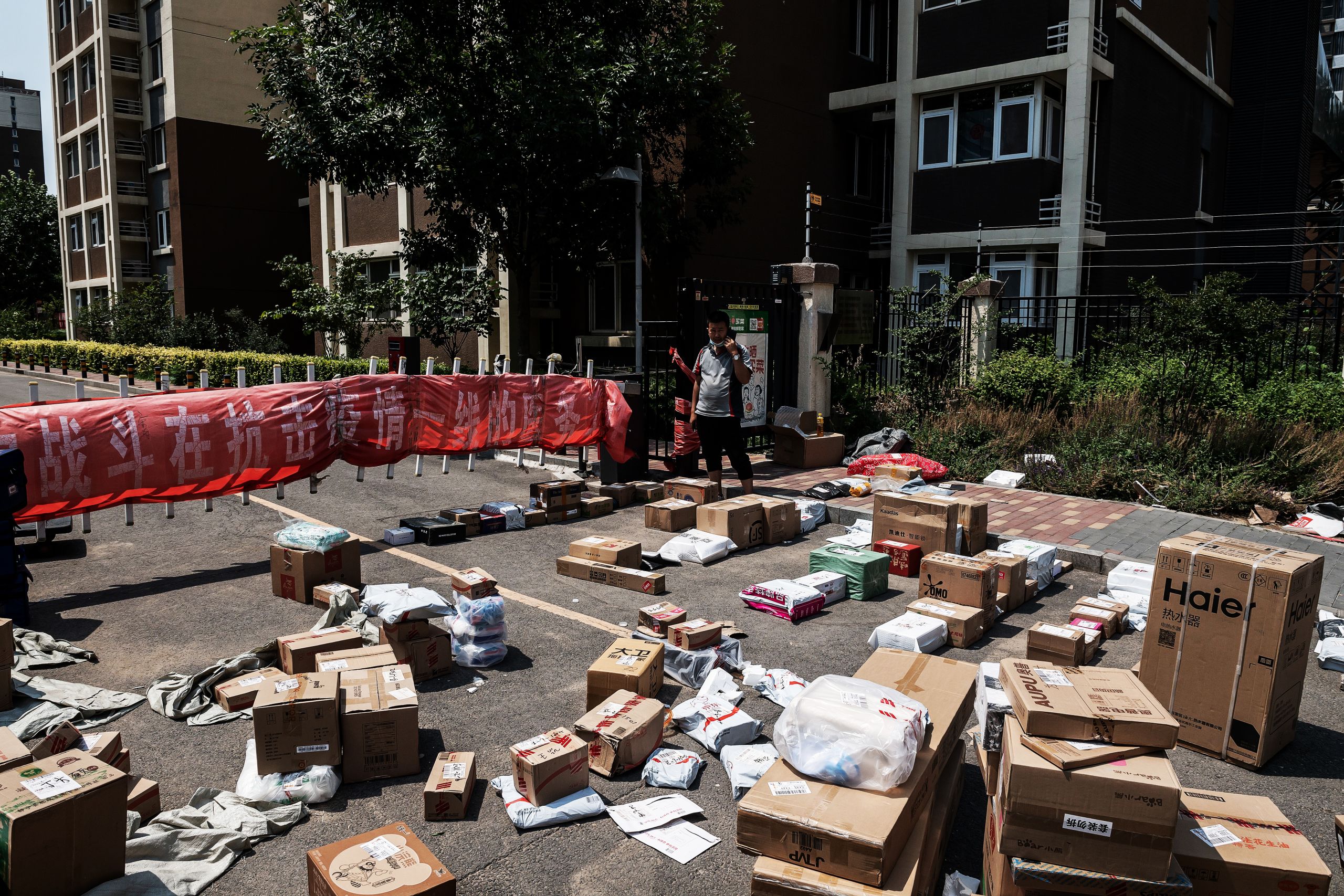
Commercial mobility redistribution refers to the act of replacing the mobility of others into a commodity-like service that can be bought and sold. We might call those who replace mobility for others-couriers, drivers, etc.-"specialized mobile professional groups." A report from the Ali Research Institute claimed that a single courier can save 24 citizens going out every day on average. The reliability of the data has yet to be confirmed, but there is no doubt that the redistribution of commercial mobility has made several platform giants the main beneficiaries of the pandemic. According to Ali's data, the number of errands in Wuhan during the pandemic was more than five times than before the pandemic, and the total distance of errands for couriers in a single day was more than three times that of the past. Meituan's data shows that during the pandemic, Wuhan had nearly 4 million delivery orders, of which food orders rose by 200 percent, and prescription drug orders for chronic conditions rose by 236 percent.
Platform companies are able to absorb a large number of delivery personnel in a flexible way of employment. Since the outbreak of the pandemic, Ele.me Fengniao has attracted hundreds of thousands of people to register as couriers. From the outbreak of the pandemic to Mar. 18, Meituan added 336,000 couriers; by May, the number of new couriers reached 791,500. Among these newly-added Meituan couriers, 18.6 percent were originally factory workers and 14.3 percent were former sales personnel. In third place were entrepreneurs, those who started a small business, or came from the food and beverage industry. The platform makes the cost of mobility redistribution very low: the company hardly needs to put any investment forward, and for laborers, there are basically no technical or identity barriers to become part of the specialized mobile professional group.
(Further reading: The New Riders of the Pandemic)
Similar situations have occurred in other countries. In Western Europe, the majority of delivery personnel are foreign workers, delivery being one of the most accessible industries for foreign workers. Even in Germany, which has strict labor laws, as long as they have a visa, foreign workers can register as professional migrants on platforms such as Helpling or Deliveroo. There is basically no need for other documents, or even the need to speak German. At the same time, professional migrants also have a high degree of flexible mobility within their professions. For example, in Germany because of the pandemic, workers who cannot do hourly cleaning jobs may turn to agriculture for harvesting work. In China, long-distance truck drivers become short-distance transporters in the same city. The rapid shift from one type of mobility service to another is also a way of mobility redistribution.
The Deepening of Redistribution

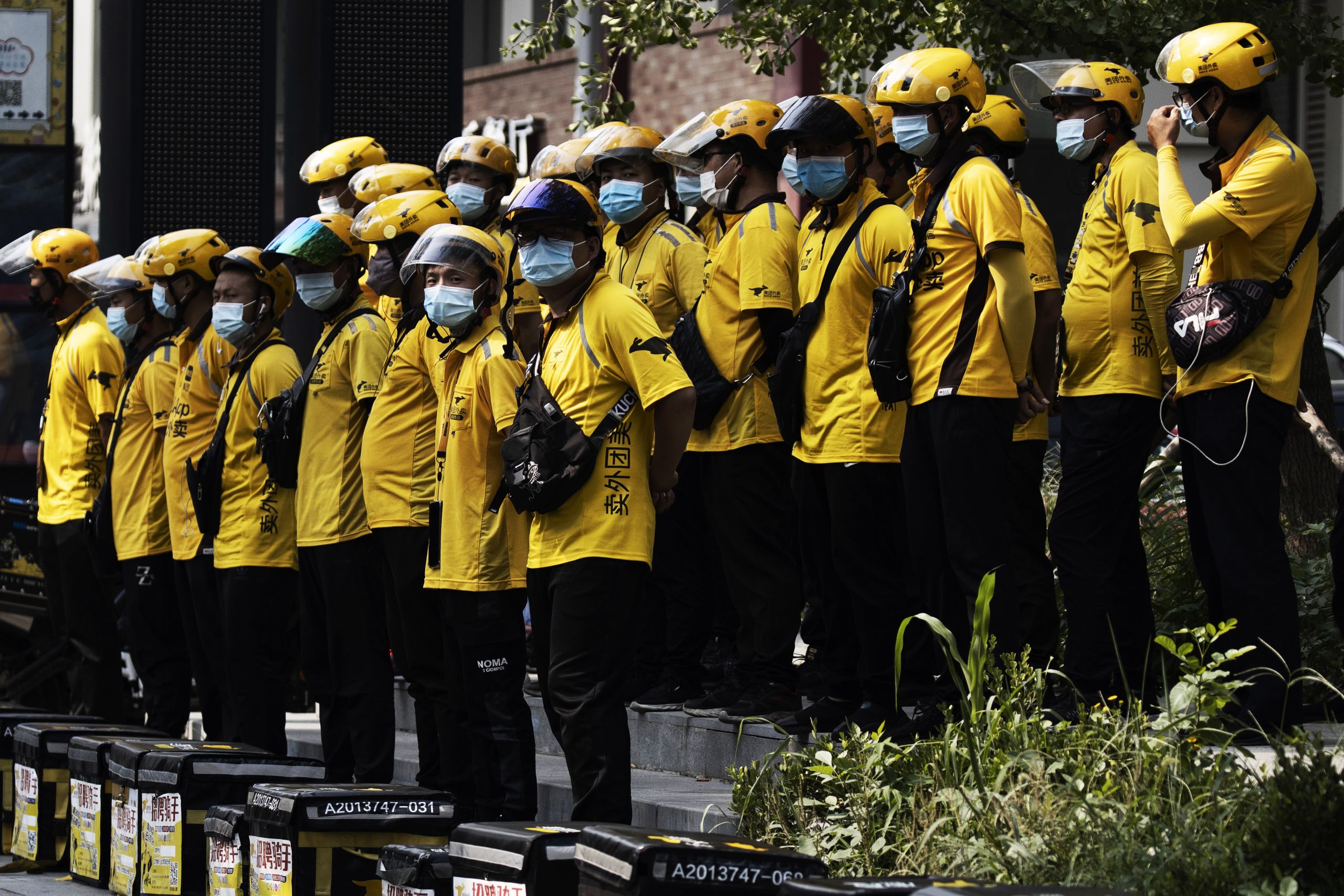
Whether in China or around the world, the redistribution of mobility may be an accelerating and long-lasting trend. According to data from Quest Mobile, during the month of the Chinese New Year holiday, monthly active users of the grocery delivery service market were estimated to be 70 million, an increase of 59 percent over the same period last year. China's online food delivery market is expected to leap from 577.9 billion yuan in 2019 to 650 billion yuan in 2020. The development of the online food delivery market is of course inseparable from the development of professional mobility occupations.
More important than expansion in scale is structural change. First, online food delivery is trickling down to third-tier cities and rural areas. According to March 2020 data from the China Internet Network Information Center, 40 percent of internet users in third-tier cities had become takeaway users. Secondly, older people had also joined the delivery service user group. Within two weeks after returning to work in late February, among new Meituan delivery service users, 36 percent and 31 percent of the people were over the age of 50 and 40, respectively. The number of over 40 users of Beijing's delivery startup MissFresh jumped 237 percent between Jan. 23 and Feb. 23. Third, the pandemic may also change the relationship between distribution platforms and food and beverage companies. Many food and beverage companies have been opposed to third-party distribution platforms because of the high fees they charge. But during the pandemic, cooperating with food delivery platforms has become the primary choice for most businesses to stay afloat. According to a commercial survey agency, about 70 percent of the merchants surveyed said they would increase their investment in food delivery after the pandemic. It seems that whoever controls the flow of distribution has the upper hand.
In the future, more and more areas of mobility in life may be outsourced to specialized professional groups. In April 2020, Didi fully launched a diversified "errands" service. iiMedia Research predicts that the scenarios for the application of errand services will continue to expand. Helping with queuing up, moving goods, caring for pets, etc. may all become paid services. The Beijing startup Flash Delivery claims to provide users with 24/7 mobility service, with an “average one-minute response, 10-minute door-to-door, one-hour express delivery in the same city.”
While the areas of services are expanding, simultaneously the depth of specialized mobility services is also increasing. Take-out platforms have invested in the development of contactless delivery, food safety seals, “peace of mind” cards, smart meal cupboards and other services. The specialized mobility service industry may bring new equipment, new supply chain management procedures and new business formats, becoming a three-dimensional, multi-faceted and in-depth industry that will continue to attract capital.
A Redistribution of Benefits?

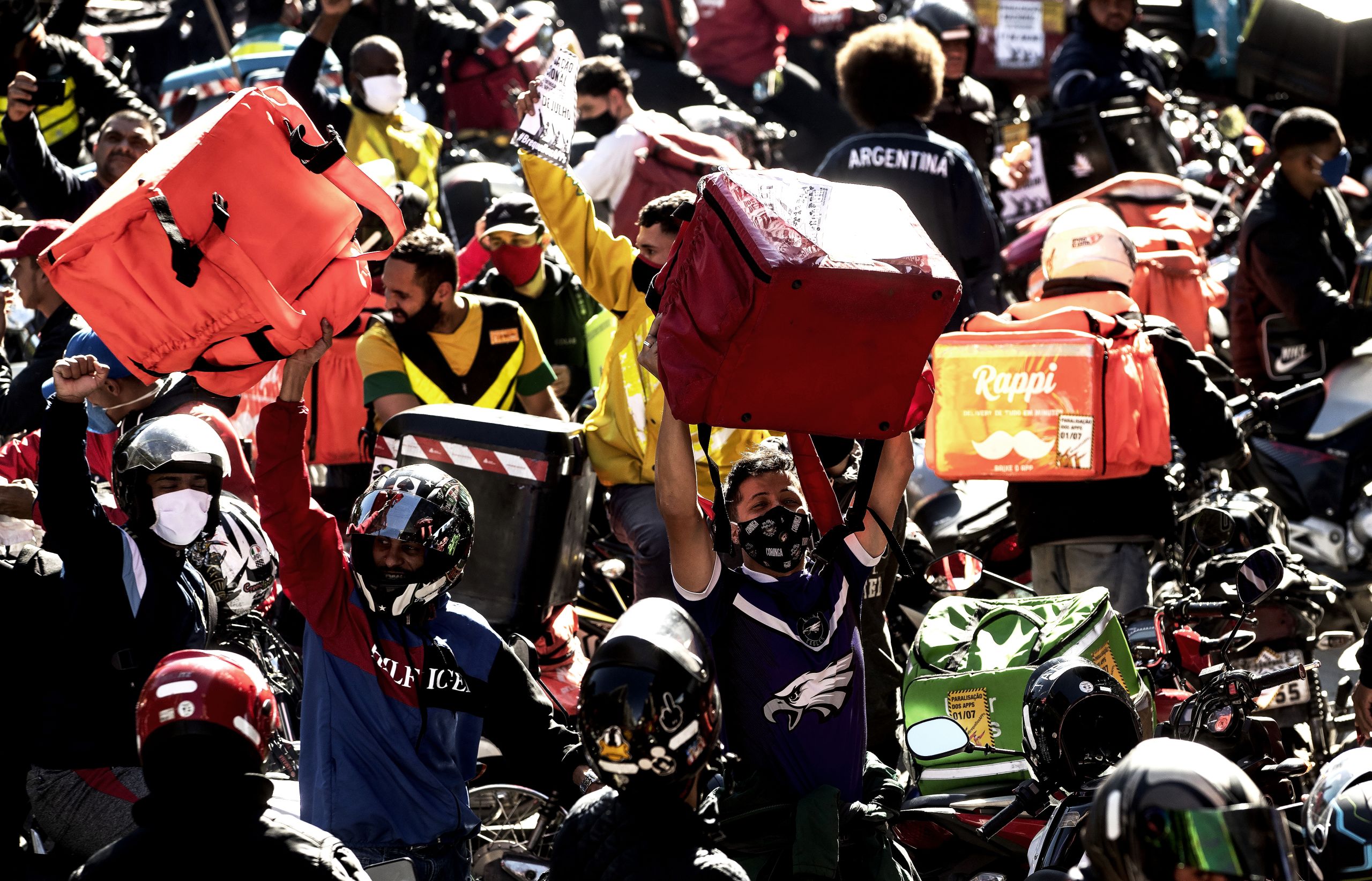
The redistribution of mobility will clearly also be the redistribution of social benefits. The question is, who benefits and who pays? In particular, what status will the rapidly emerging specialized mobility professional groups enjoy in society?
According to the Fairwork report, an Oxford University Internet Institute project, during the pandemic, distribution platform companies across the globe experienced a subtle change in their relationship with their employees. At the beginning, the companies claimed that their delivery staff were not their employees, but rather independent contractors. Therefore, if they fell ill during the pandemic, the company would not be held responsible. But later, the companies introduced an incremental series of policies. These policies can be divided into two types: the first is preventive. For example, sending gloves to delivery personnel, sending various messages, providing masks and so on. The second is compensatory. When delivery personnel are unable to work because of the virus, some companies provide them with financial assistance for treatment and generally give them a minimum wage and 14 days of sick leave. But the companies also emphasized that this assistance is a one-off, and these benefits will not change the relationship between the company and these delivery personnel. In other words, the delivery personnel cannot turn their relationship with the company into a labor relationship and welfare relationship based on these benefits. Once the pandemic is over, everything will return to as it was.
The Fairwork project report also pointed out that the most pressing concern for delivery staff is the stability of their income. Platform companies are most concerned about customer safety and user reviews. In order to ensure the safety of customers and win customer approval, these platforms provide medical safeguards for the delivery personnel. Platform companies provide important public goods (such as livelihood security, convenience and safety). They also worked closely with governments during the period that tried to keep the pandemic under control. But these public goods are built on the labor foundation of high intensity, high risk and low return for specialized mobile professional groups. Therefore, platform companies are not only redistributing mobility, but also redistributing benefits such as safety and convenience.
After all is said and done, specialized mobile professional groups have won unprecedented visibility and recognition in society during the pandemic. Will this increased visibility give delivery personnel more say and win them more benefits? There seems to be no such indication yet. But this should be a direction we all strive toward.
 Built with Shorthand