




On June 30, Hong Kong's National Security Law was passed and officially implemented by the Standing Committee of the National People's Congress. As of October 7, the new law has been implemented in Hong Kong for 100 days and already many people have been arrested. The range of punishable crimes under the National Security Law includes "secession of the country, subversion of state power, terrorist activities, collusion with foreign countries or endangering national security by foreign forces." The scope is broad and the effects it will bring about are difficult to predict. We visited Hong Kong residents from different industries and varied social roles and asked them to talk about the most subtle changes in their daily work and life a hundred days after the birth of the National Security Law.




On June 30, Hong Kong's National Security Law was passed and officially implemented by the Standing Committee of the National People's Congress. As of October 7, the new law has been implemented in Hong Kong for 100 days and already many people have been arrested. The range of punishable crimes under the National Security Law includes "secession of the country, subversion of state power, terrorist activities, collusion with foreign countries or endangering national security by foreign forces." The scope is broad and the effects it will bring about are difficult to predict. We visited Hong Kong residents from different industries and varied social roles and asked them to talk about the most subtle changes in their daily work and life a hundred days after the birth of the National Security Law.

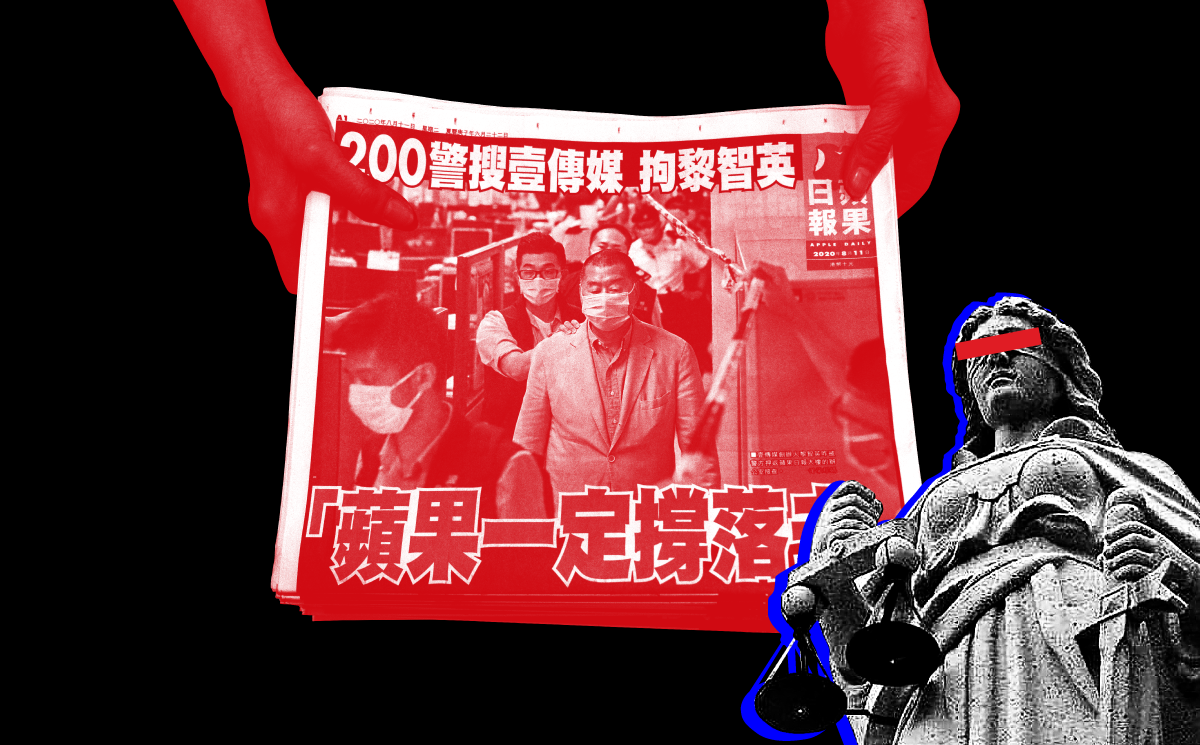
The Tightrope Walk of Hong Kong Media
By Liu Yanjun
For many years, Hong Kong has enjoyed relatively high press freedom. Many international media organizations have established branches in Hong Kong and regard it as a springboard for reporting Chinese news. Reporters in Hong Kong did not need to worry about government officials stalking them or being harassed. The implementation of the National Security Law in Hong Kong, however, has generated considerable worry among press circles.
Some provisions of the National Security Law directly involve the media. Article 9 states that the Hong Kong government needs to strengthen supervision and management of the media. Many journalists worry that monitoring government reports will be regarded as endangering national security, making them “incriminated by their words.” Or that their work will be monitored by the police and they will be forced to hand over their interview materials, etc.


Hong Kong Arts Creators: Can an Unbending Flower be Brought Forth in Forbidden Soil?
By Ai Jiali
A writer or artist’s work is a creation, and freedom is the soil of that creation. Given the unknown red line of the National Security Law, Hong Kong writers and artists are speculating about the future of their creations. We interviewed several of these creators to discuss their feelings about the National Security Law.


Can Hong Kong Last as an International Finance Center?
By Xie Dong
Since last year's protest movement rocked Hong Kong, more and more people are talking about pulling their money out of the city.
The protests were followed by the imposition of China's draconian national security regime on Hong Kong, leading many to argue that the city has lost its status as an international financial center, although others claim it will be enhanced. Bankers and others in the financial sector are feeling this conflict keenly.


Teachers Feel the Chill amid Hong Kong's National Security Crackdown
By Liu Yanjun
The city's education sector has been blamed by the authorities since the start of the anti-extradition movement in June 2019, with teachers accused of inciting students to take part in street protests.


To be Afraid or Not; to Stay or Leave?
Hong Kong Parents Share Different Perspectives after the Passing of the National Security Law
By Meng Tu
With the situation changing after the establishment of the Law of the People's Republic of China on Safeguarding National Security in the Hong Kong Special Administrative Region (SAR), many parents said that they are deeply concerned for the future of Hong Kong and are increasing preparations for their children's overseas education. Hong Kong, as a city of immigrants, has a diverse population with families from many different cultures and backgrounds. How do parents from varied backgrounds think about their children’s futures?


 Built with Shorthand