
Pandemic Halts
Hong Kong Protests
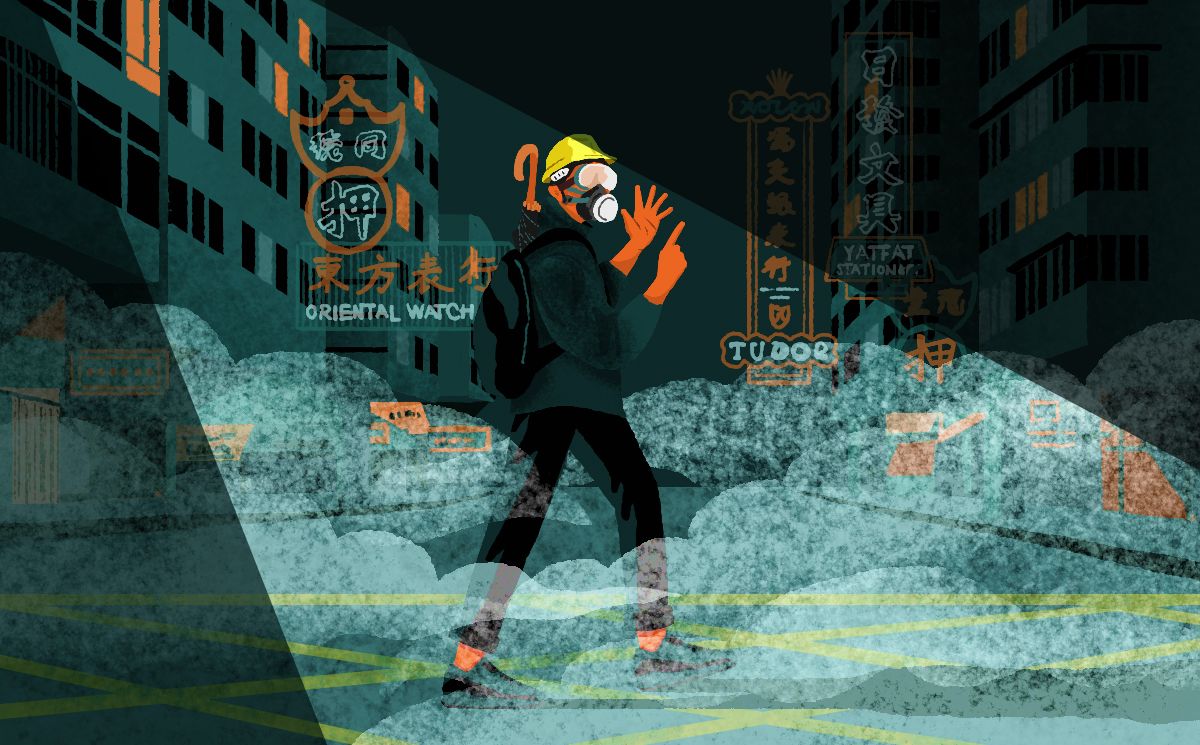

Hong Kong confirmed its first case of coronavirus on Jan. 22. The authorities issued restrictions on public gatherings on Mar. 28, before relaxing them on May 8 after the city reported no new cases for several days. Hong Kong's protest movement then went quiet for a couple of months, before the re-emergence of street clashes in July. So what were all the protesters doing during the pandemic? How did it affect them?
Handing out hand gel
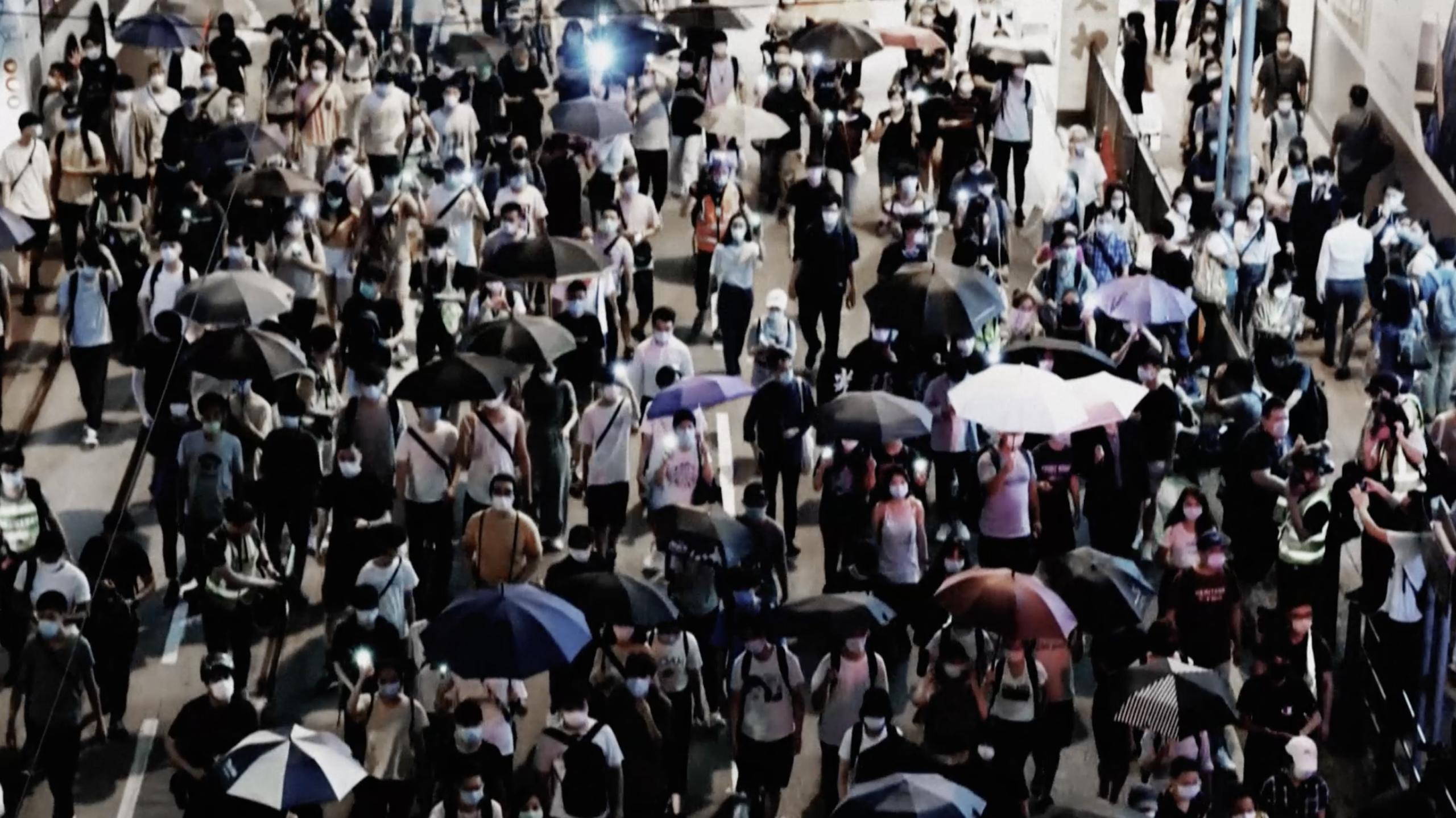

I meet up with J in a cafe on Apr. 19. He is checking the news on his phone. “I heard there's something kicking off in Mong Kok. Wanna go check it out?” he says.
Nothing has happened in Mong Kok and the surrounding districts for nearly two months, although the area had seen disturbances pretty much every week for the whole of the previous year. The last incident was on Feb. 29, when a crowd gathered at Prince Edward metro station. The clashes spilled out into Mong Kok, with billows of tear gas smoke wafting down Fa Yuen Street and Soy Street.
So we head out in the direction of Sai Yeung Choi Street South, where we find a phalanx of blue-uniformed police with riot shields and batons surrounding a street stall. Inside, boxes of surgical masks and bottled water are laid out on the tables. The people inside sit there without saying a word. Crowds begin to gather on both sides of the street, heckling the police.
J checks his phone, where he reads that the police have intercepted people “distributing anti-epidemic materials.” We learn later from media reports that these young people had set up stalls to hand out masks and hand gels in the neighborhood. Protest materials were also found on the stalls, and more than 30 people were intercepted and handed on-the-spot fines for violating the Restriction Order.

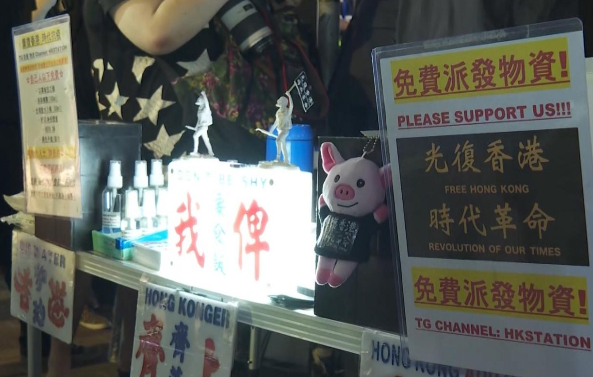
A stall in Mong Kok on April 19. (Photo: Yahoo News)
A stall in Mong Kok on April 19. (Photo: Yahoo News)
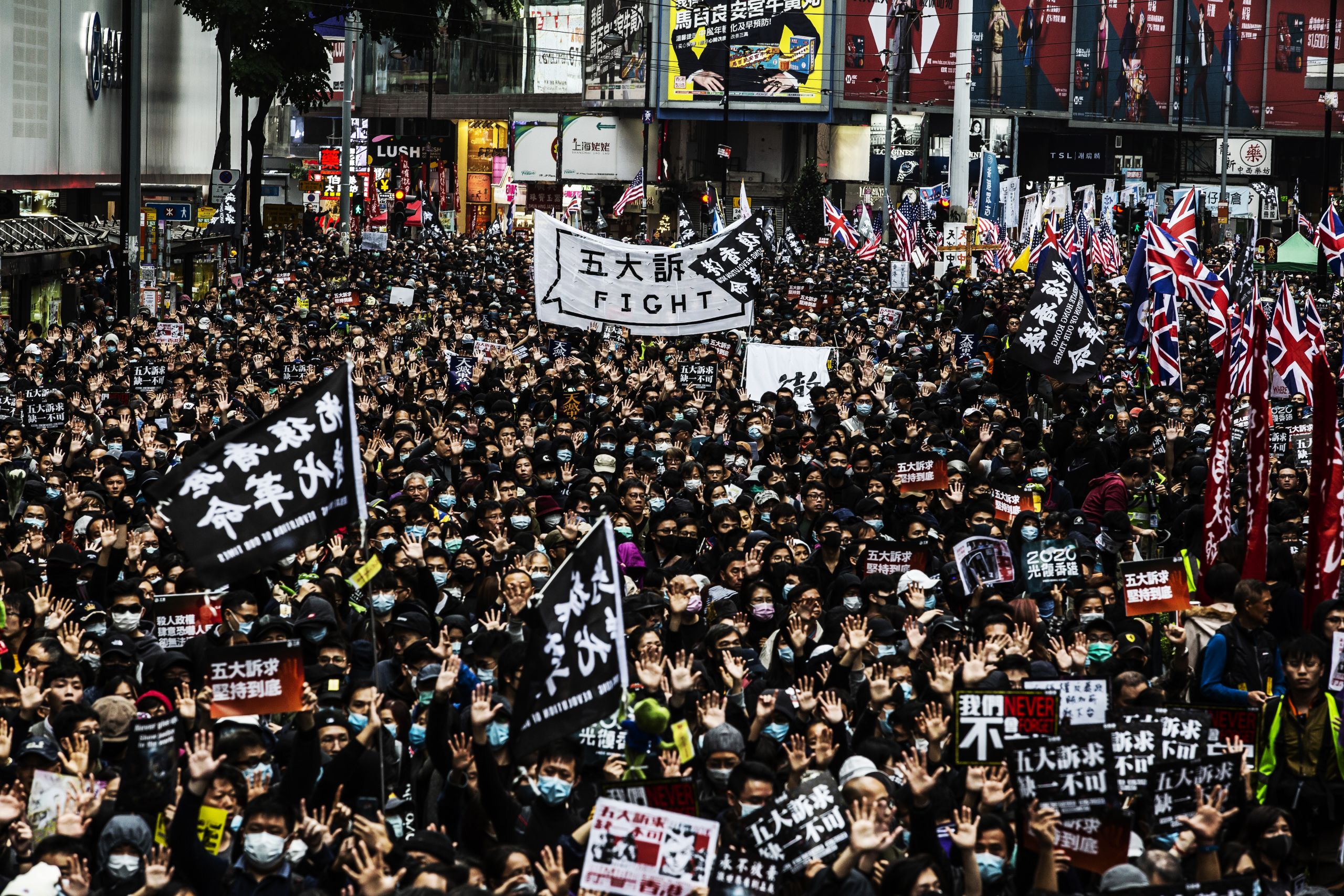
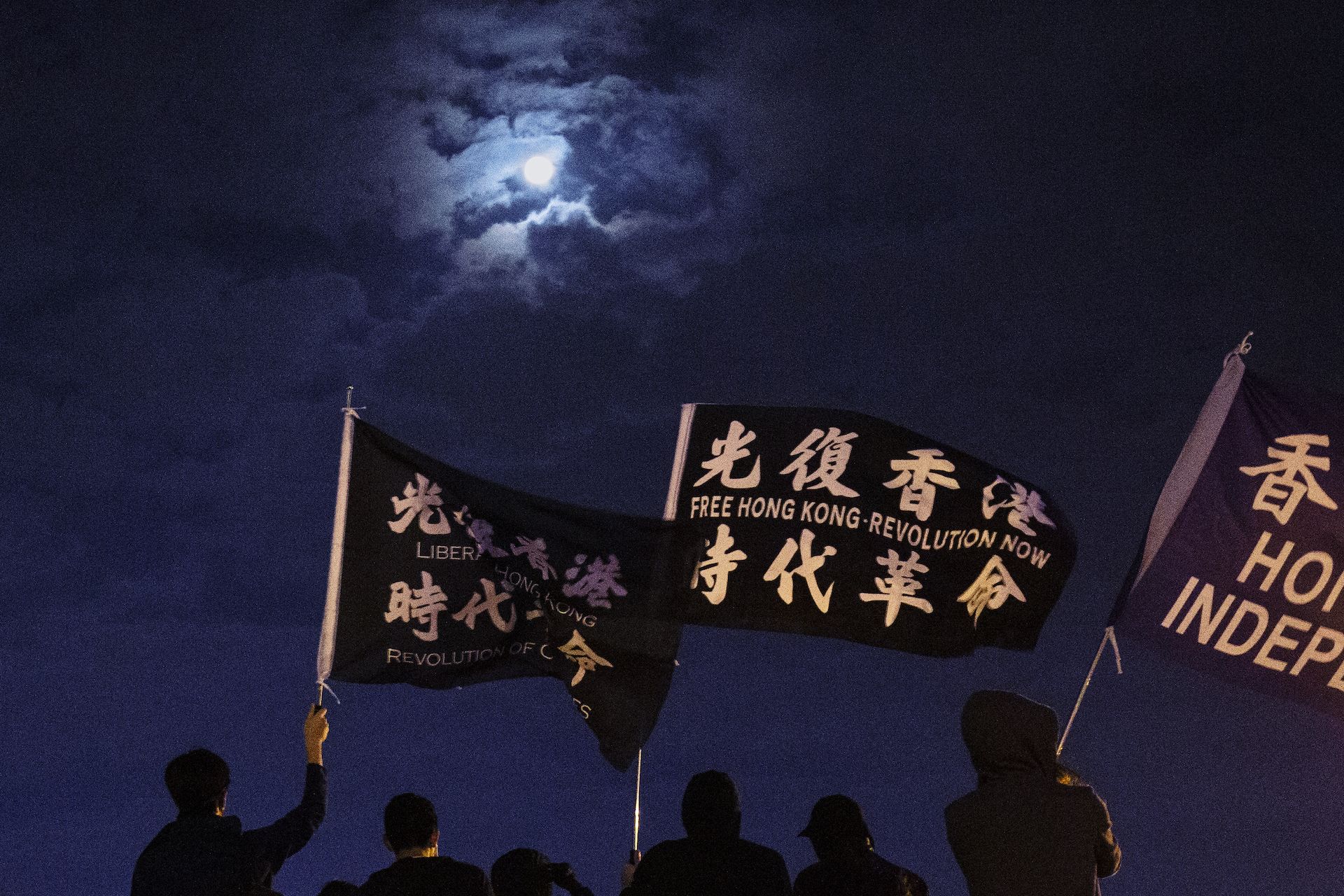
Suddenly, someone yells, “Free Hong Kong! Revolution now!” The crowd responds. “Five demands, not one less!” “Disband the police!” “Never forget Aug. 31 and Jul. 21!” “Investigate police violence!”
J chuckles. “It's been so long since I heard those chants,” he says. “I didn't expect to hear them again today.”
After a while, the police move away, to triumphant cheering from the crowd. J and I walk briskly back towards a cafe. “Wait for the red light,” he tells me. “You don't want to get arrested by the police because you ignored the pedestrian stop sign.”
J, who works for a real estate company, has been taking part in street protests since the movement started. But he is pretty inactive these days. Since the pandemic started, he has rarely been out to protest at the front line.
“Everyone is just waiting for the pandemic to pass,” he says. “I think there is a huge consensus that we have to do our part in fighting coronavirus, and that we don't want our actions to constitute a public health hazard to Hong Kong.
E, from Mainland China, is studying in Hong Kong. She too has been idle of late. E had been an active participant in street protests after starting college in September. But her mother, a medical doctor, warned her that the virus can linger on metal surfaces and in people's hair for a long time, and that it was highly contagious. She should avoid crowds at all costs. “I don't think there's much practical benefit to carrying on the fight in the face of risks to life and health,” E states. “If everyone catches the virus, then everyone will gradually get sick, and we won't see a positive result from our protests,” E adds.
What's more, “the Restriction Order just gives the police another excuse to arrest people,” she says.
There has been a sharp decline in the size and frequency of protests in Hong Kong since coronavirus first hit the city in January.

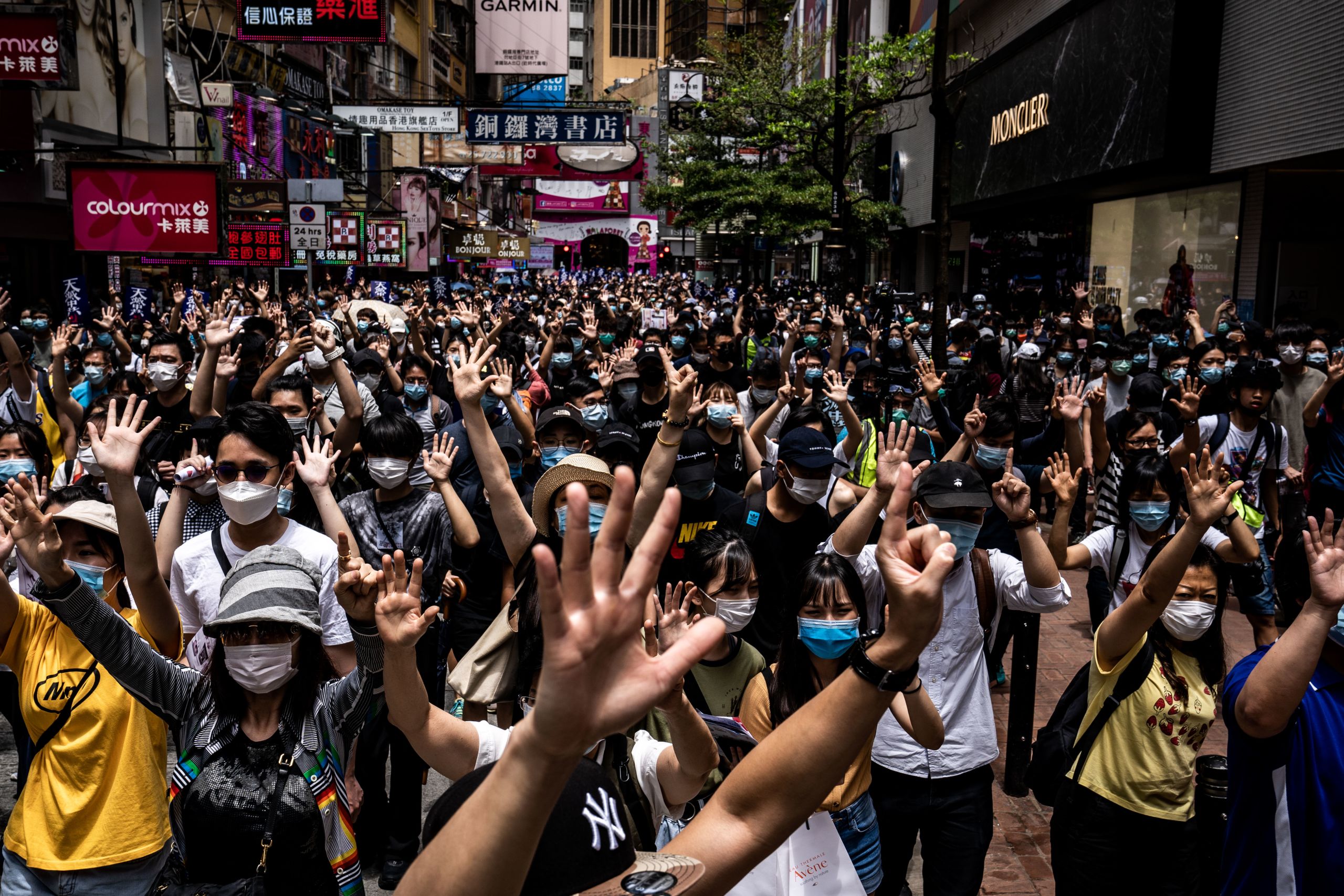
Protesters raise their hands to signal "five demands, not one less" as they march on the streets. (Photo: Lu Junlang)
Protesters raise their hands to signal "five demands, not one less" as they march on the streets. (Photo: Lu Junlang)
Exhaustion and trauma

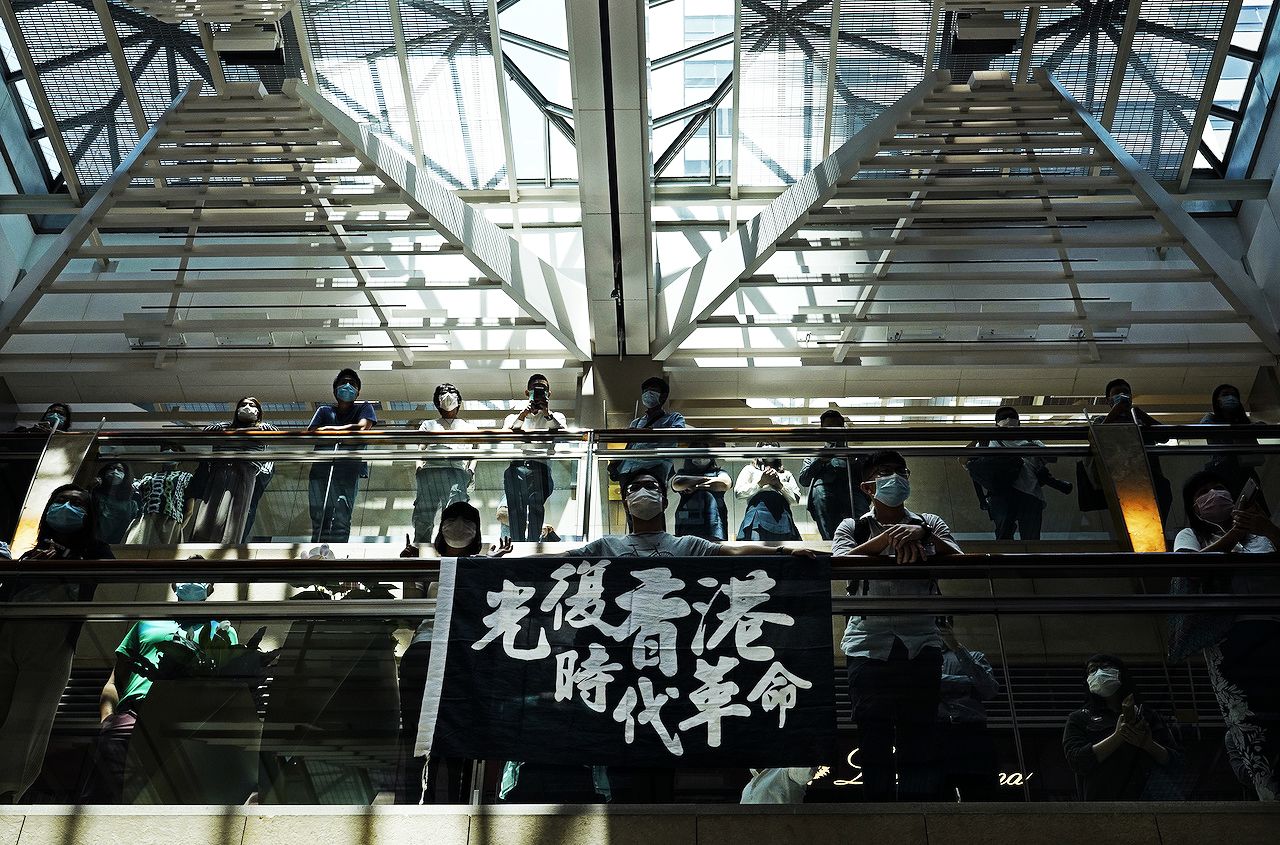
The protests had already started to tail off even before that. Chinese University of Hong Kong (CUHK) lecturer Leung Kai Chi says this is likely due to the cumulative effect of earlier protests. Pitched battles between riot police and protesters during the sieges of CUHK and the Hong Kong Polytechnic University (Poly U), which saw the mass arrests of many of the bravest front-line fighters, had already had an impact on the numbers involved, and on the frequency of street protests. Tensions were also somewhat eased by the landslide victory for Yellow Camp, pro-democracy candidates in District Council elections in November 2019. “Things were already heading in that direction before the pandemic,” Leung says.
J, meanwhile, has his own reasons for staying away from the line of fire. He is physically strong, and built like a rugby player, but he remains deeply traumatized by his experiences. He says the greatest trauma has come from unrestrained use of violence by riot police trying to suppress the protest movement, and the emotional violence this has done to the values he grew up with.
J had always looked up to the police, ever since he was kid. “As I got older, I began to realize that there are various stereotypes attached to different jobs,” he says. “For example, the idea that the police fight crime and maintain law and order.” During the Occupy Central protests of 2014, he even held an umbrella over a police officer once when it rained. Back then, police and protesters were able to stay rational and friendly, even in times of intense conflict, J recalls.

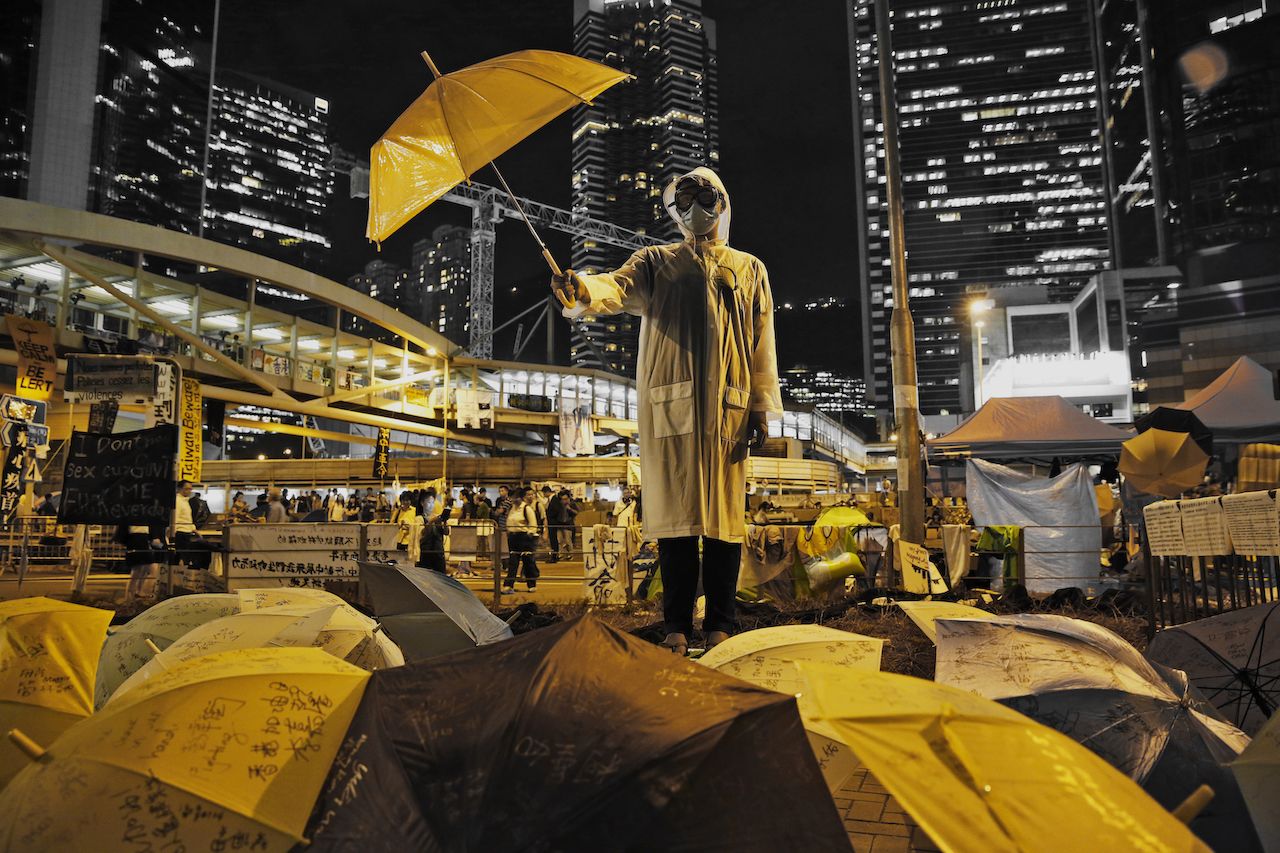
The Occupy Central protests, also known as the Umbrella Movement, of 2014. (Photo: AP / Kin Cheung)
The Occupy Central protests, also known as the Umbrella Movement, of 2014. (Photo: AP / Kin Cheung)
But in the latest wave of protests, the police have crossed the line, and frequently provoke, shove, and swear at protesters. “Even one scene like that can make a huge impression, but now it's pretty constant. Stuff like that is happening all the time,” J says. “The water cannon fired at protesters outside Kowloon Mosque, the way the riot police pursued protesters, again and again, onto university campuses,” he states. Scenes like this have made him toughen up each time they happen.
“I don't think you can expect people to turn out in the same kind of numbers when there is such a huge disparity in firepower between the two sides,” J says. J hasn't taken part in a front-line clash with police since the siege of CUHK in November. There are also practical reasons: he has the heavy burden of work and study.

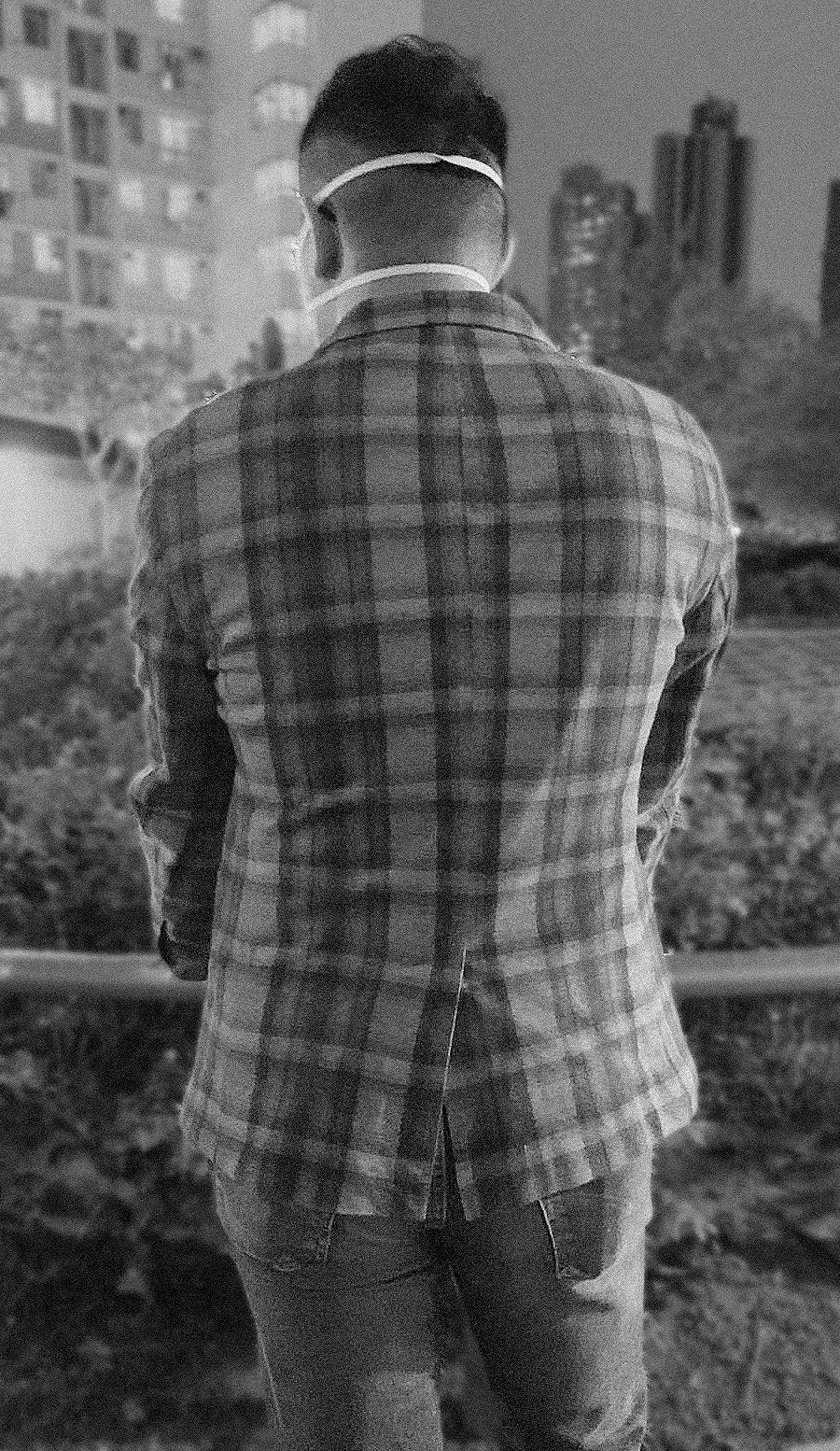
J's back view.
J's back view.

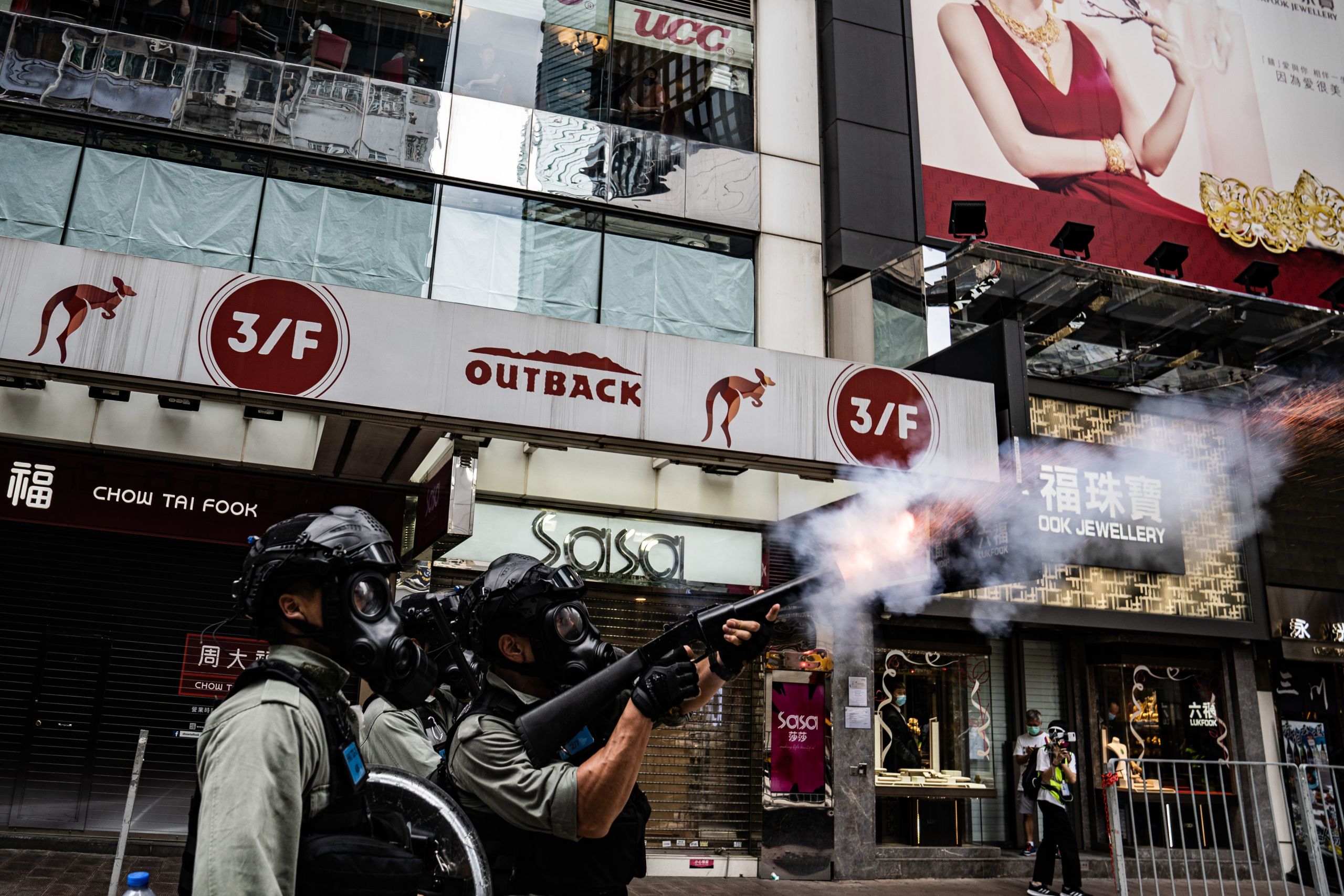
The police fired tear gas to disperse crowds. (Photo: Lu Junlang)
The police fired tear gas to disperse crowds. (Photo: Lu Junlang)

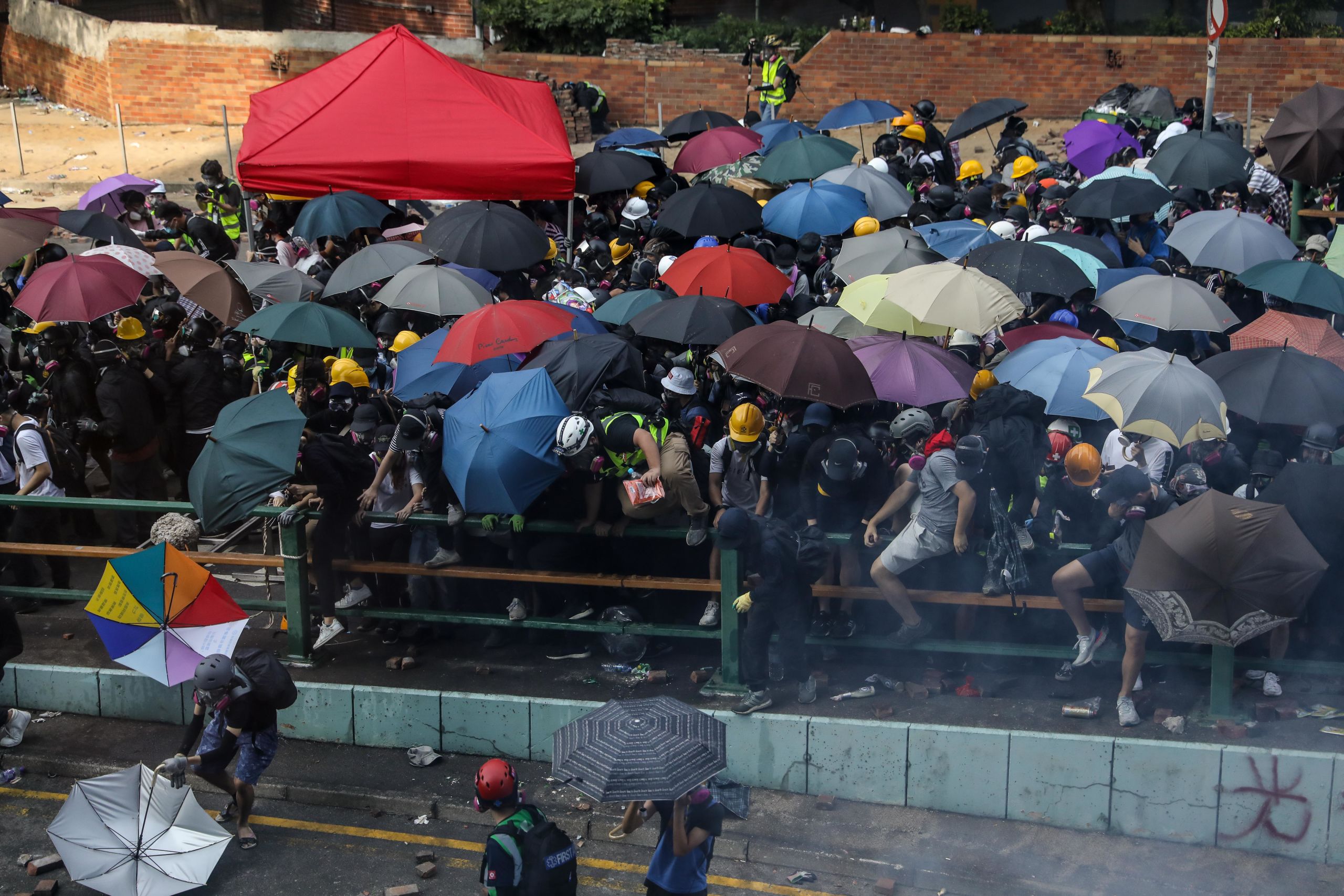
On November 18, protesters that occupied Poly U tried to escape the police's seige around the campus. (Photo: APF / Dale de la Rey)
On November 18, protesters that occupied Poly U tried to escape the police's seige around the campus. (Photo: APF / Dale de la Rey)

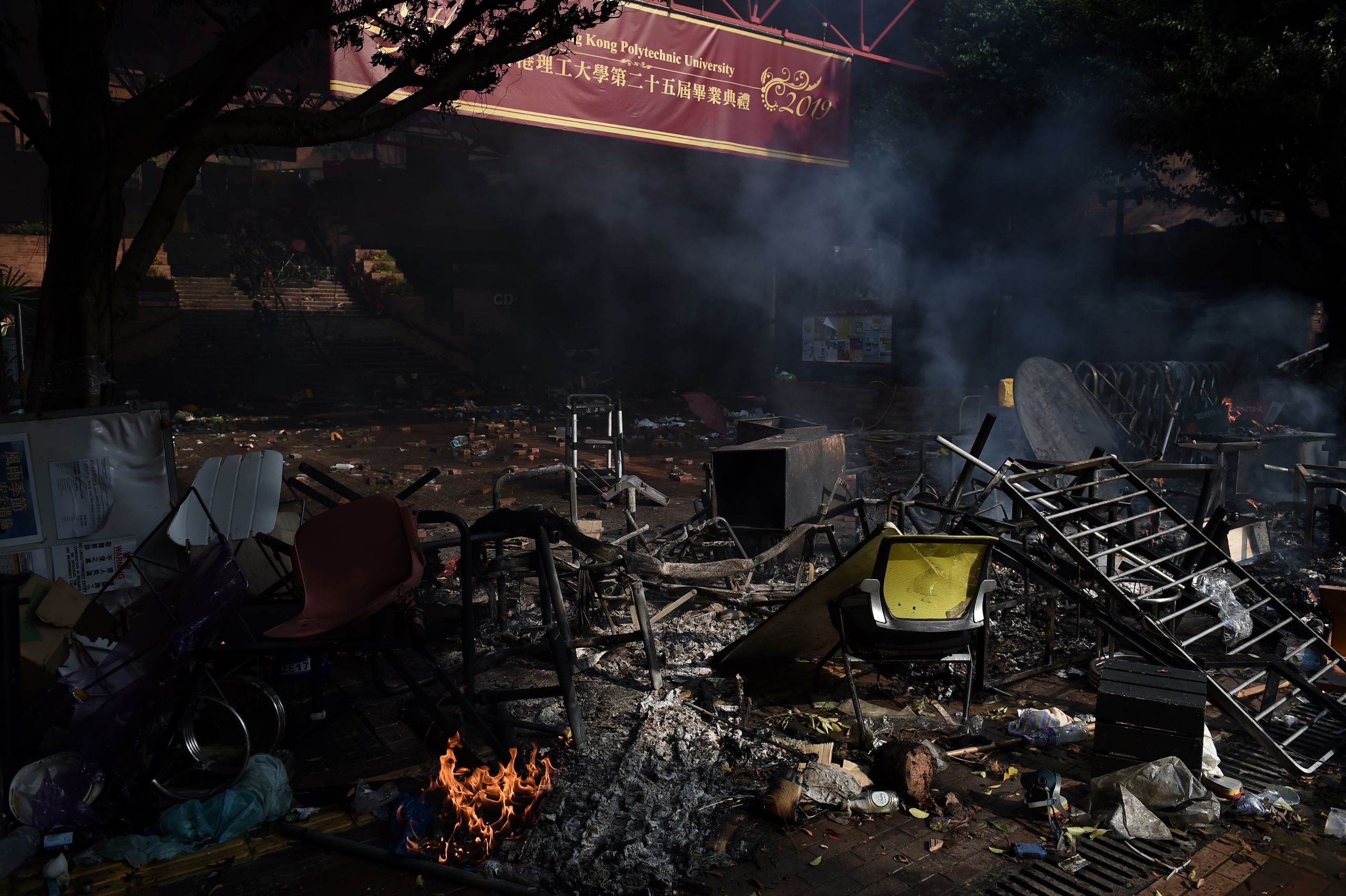
Aftermaths of the clashes between protesters and police in Poly U. (Photo : AFP / Ye Aung Thu)
Aftermaths of the clashes between protesters and police in Poly U. (Photo : AFP / Ye Aung Thu)

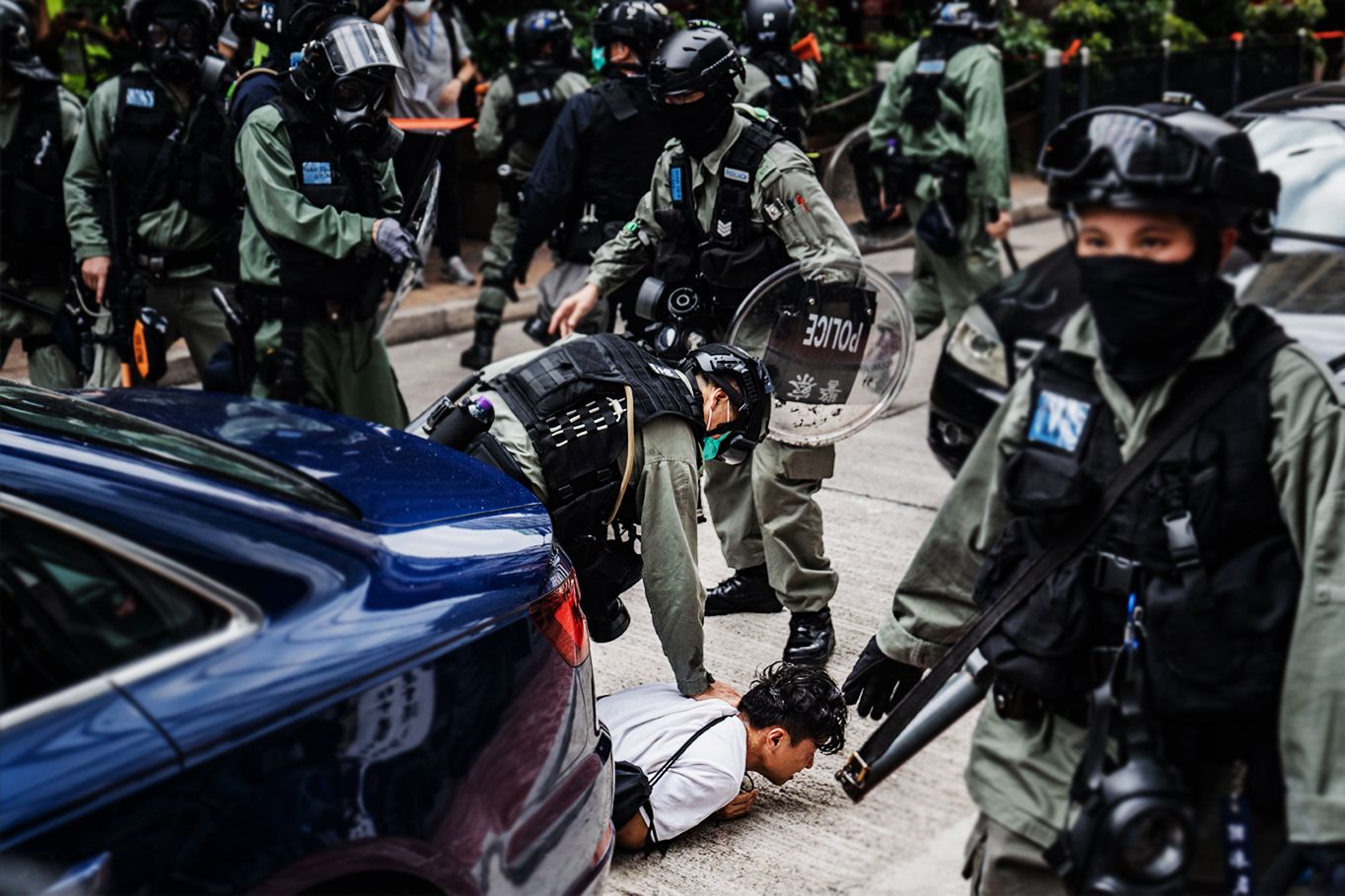
The police arrested a protester below the Canal Road Flyover. (Photo: Lu Junlang)
The police arrested a protester below the Canal Road Flyover. (Photo: Lu Junlang)

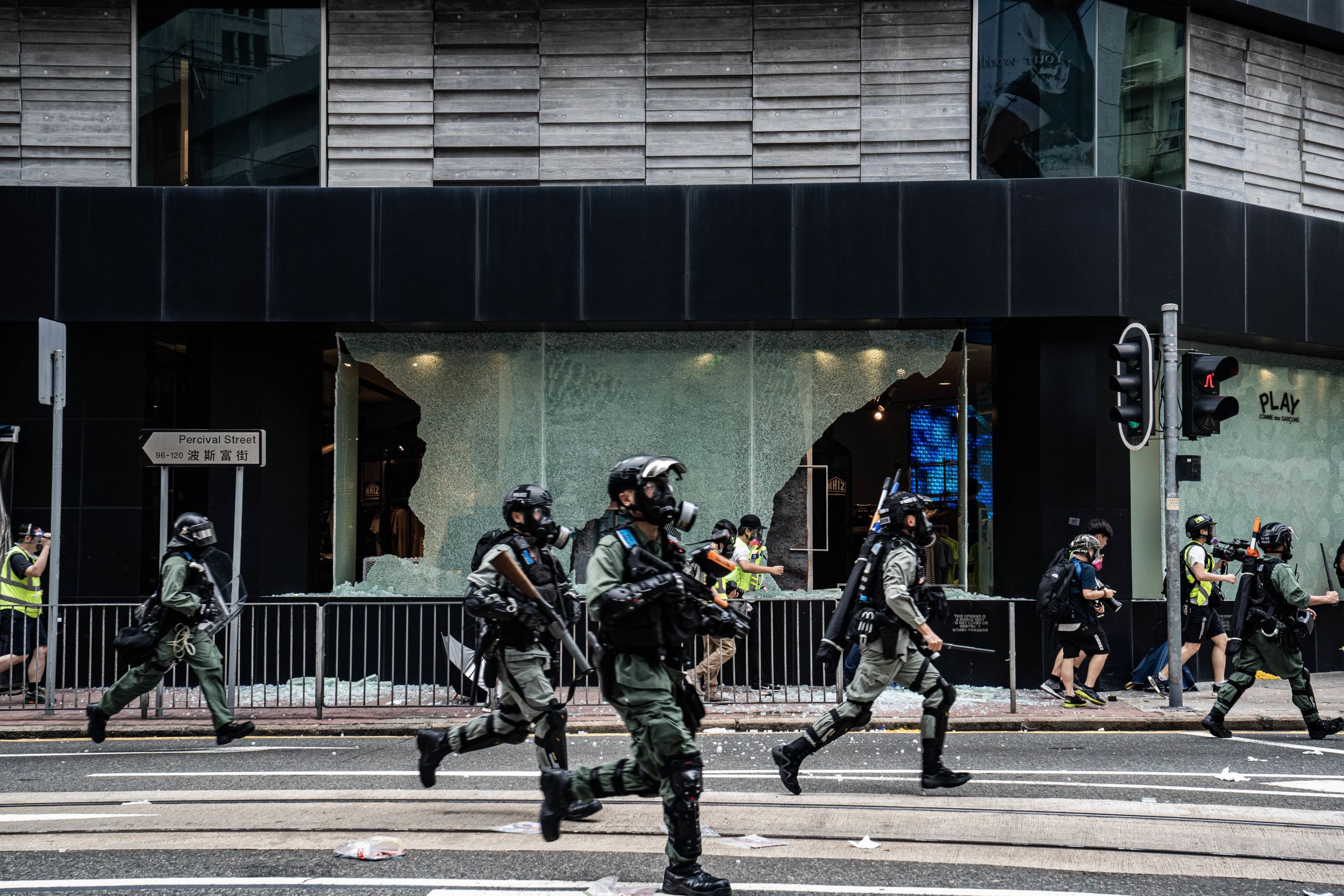
The police chased after protesters on Percival Street. (Photo: Lu Junlang)
The police chased after protesters on Percival Street. (Photo: Lu Junlang)

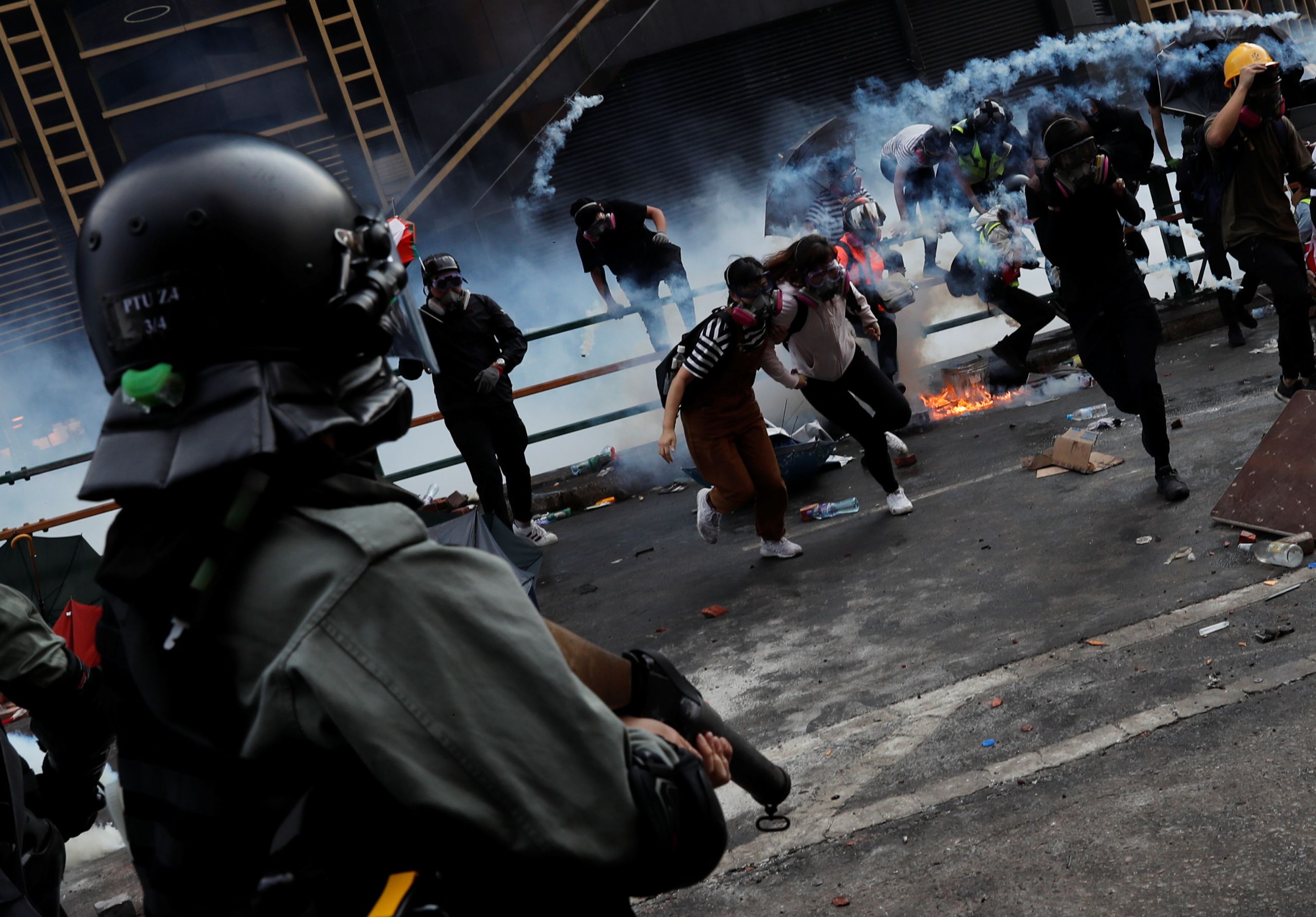
Protesters fled as the police fired rounds of tear gas (Photo: Reuters / Tyrone Siu)
Protesters fled as the police fired rounds of tear gas (Photo: Reuters / Tyrone Siu)

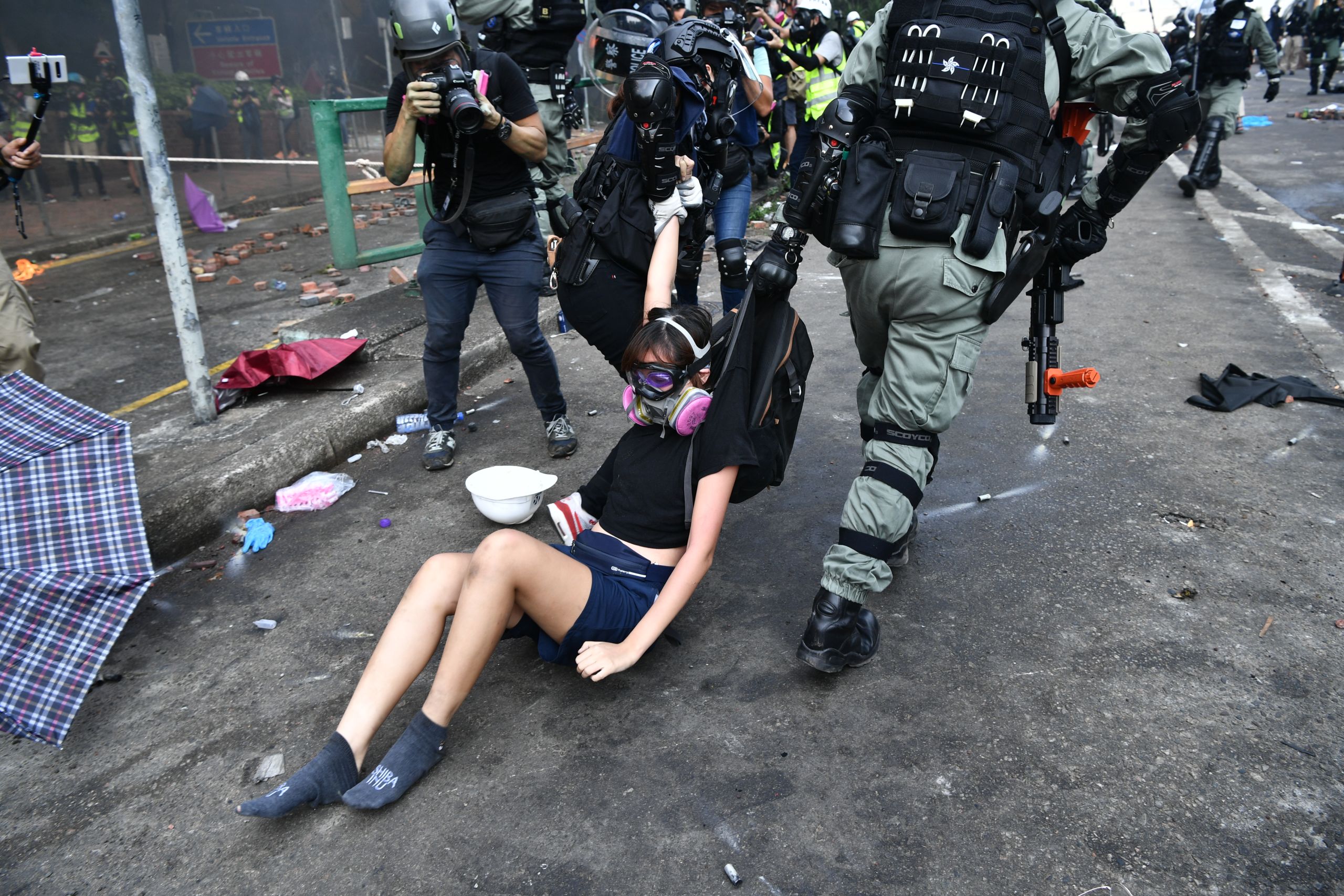
A protester dragged off by the police. (Photo: AFP / Anthony Wallace)
A protester dragged off by the police. (Photo: AFP / Anthony Wallace)
E, too, had pretty much stopped going to protests even before she started to fear infection with coronavirus.
One of the many who were arrested, E has some intense memories of the movement. “The most intense for me was that moment outside Shatin Town Hall, when the police started kettling the crowd,” E recalls. “That was my first time on the front line. I was about 20 meters from the police lines, and I could see them hoist their yellow banner so clearly, and I could hear what they were shouting.” After a few advances and retreats, the police fired tear gas into the crowd, charged in, and started arresting people. The crowd scattered.

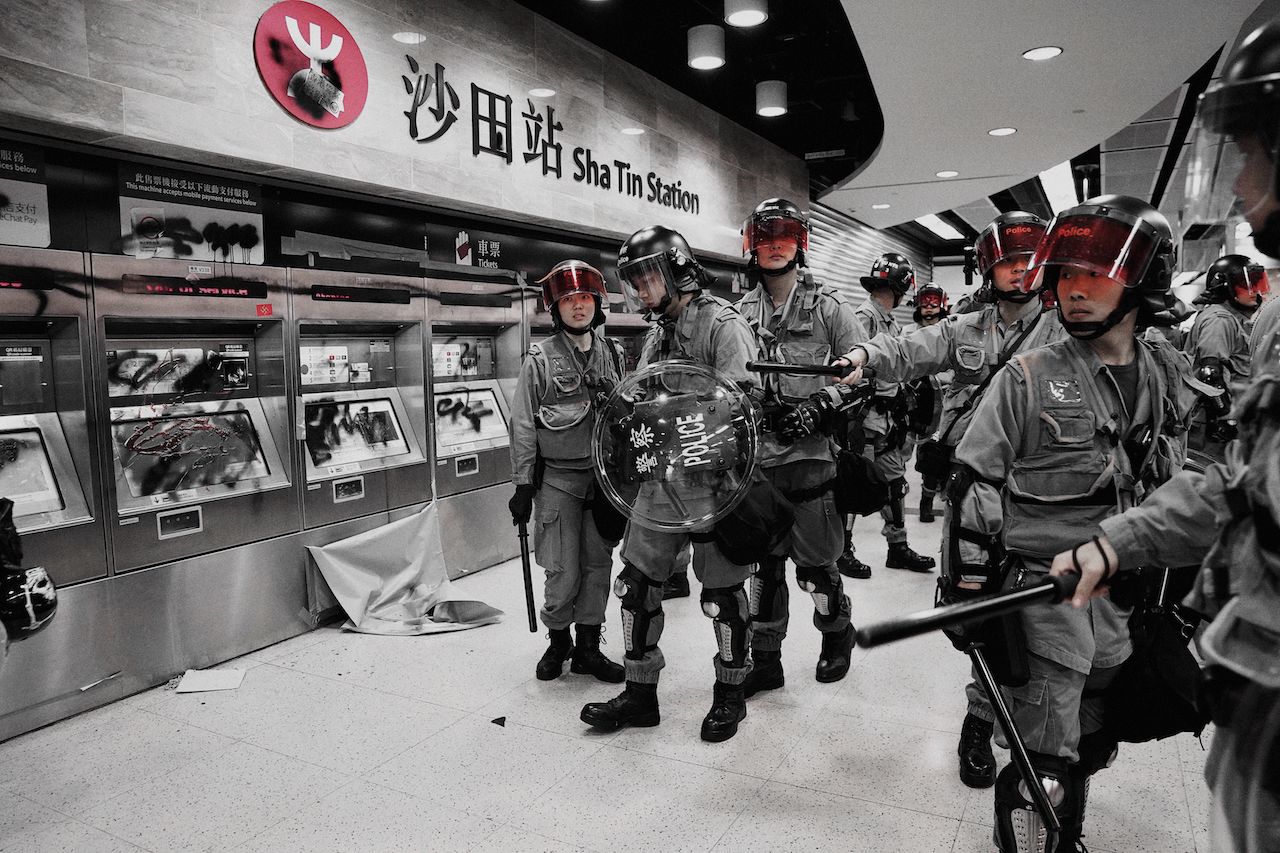
Protesters and police clashed at Sha Tin MTR Station. (Photo: Reuters / Aly Song)
Protesters and police clashed at Sha Tin MTR Station. (Photo: Reuters / Aly Song)
“There were some older people, aunties and uncles, who helped me, telling me to watch out, and holding my hand. They were crying as they told me to be strong. One older guy said if I couldn't find a place to hide, that I should find some older people and latch onto them, and just pretend to be out shopping with my mom and dad, or my grandma and grandpa. They told me I really should get out of there,” E recalls.
E says she was deeply moved by the love and care shown to her by local people. “I would never have thought before all of this that strangers could be so kind, and cheer each other on simply because they hold the same political beliefs, and want the same freedoms,” E adds, weeping as she speaks.
E always likes to consider the worst-case scenario before she does something.
“Every time I'm running from the cops, I think about what I could do if they caught up with me,” she says. “But if I can't come up with anything, then my only thought is that I can't get caught, I can't get caught. I never thought I'd be able to run so fast, even while sobbing for breath and carrying so much heavy stuff.”
E was in police custody for 48 hours before she made bail. While she was in custody, a fellow arrestee was bleeding from an injury. E called on the police to send for medical treatment, and was physically shoved. “Now, is that our problem, or is it your problem?” the officer snarled. E added, “There was an emergency medic in there too, who had all of his equipment [including identifying vest]. He was shoved during interrogation and knocked unconscious, whereupon the police carried on kicking and cursing him, saying he was faking it. It was some time before they realized he was actually unconscious.”
After attending a number of hearings, E realized that the judge was biased in favor of the police. She hasn't been to another street protest since being released on bail. Her lawyer told her that, if she gets arrested again, she will be immediately charged and remain in custody with no bail offered. So E is focusing on her studies in spite of her fears for the future, all the while studying up on the finer points of the law in preparation for her trial.

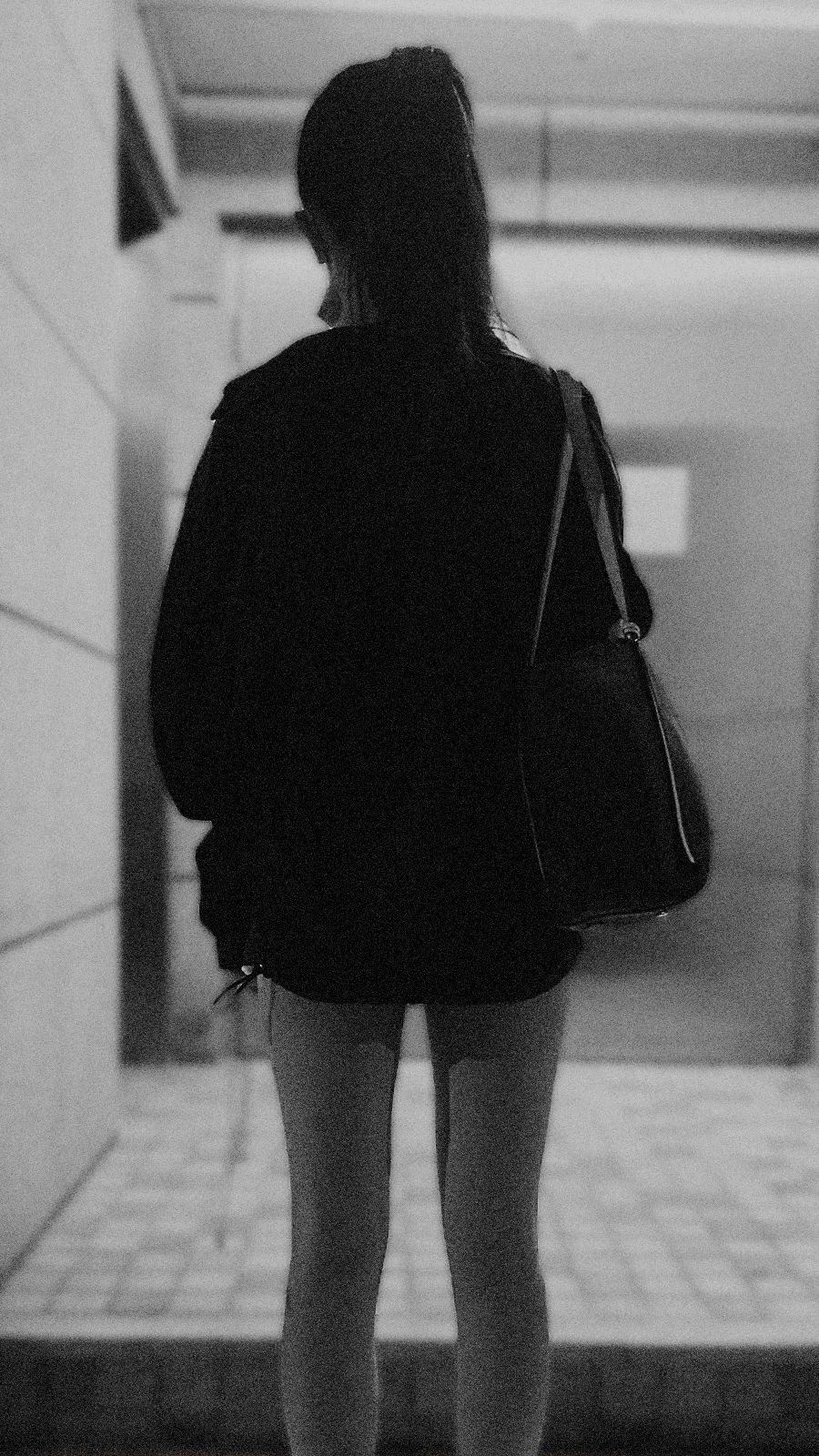
E's back view.
E's back view.

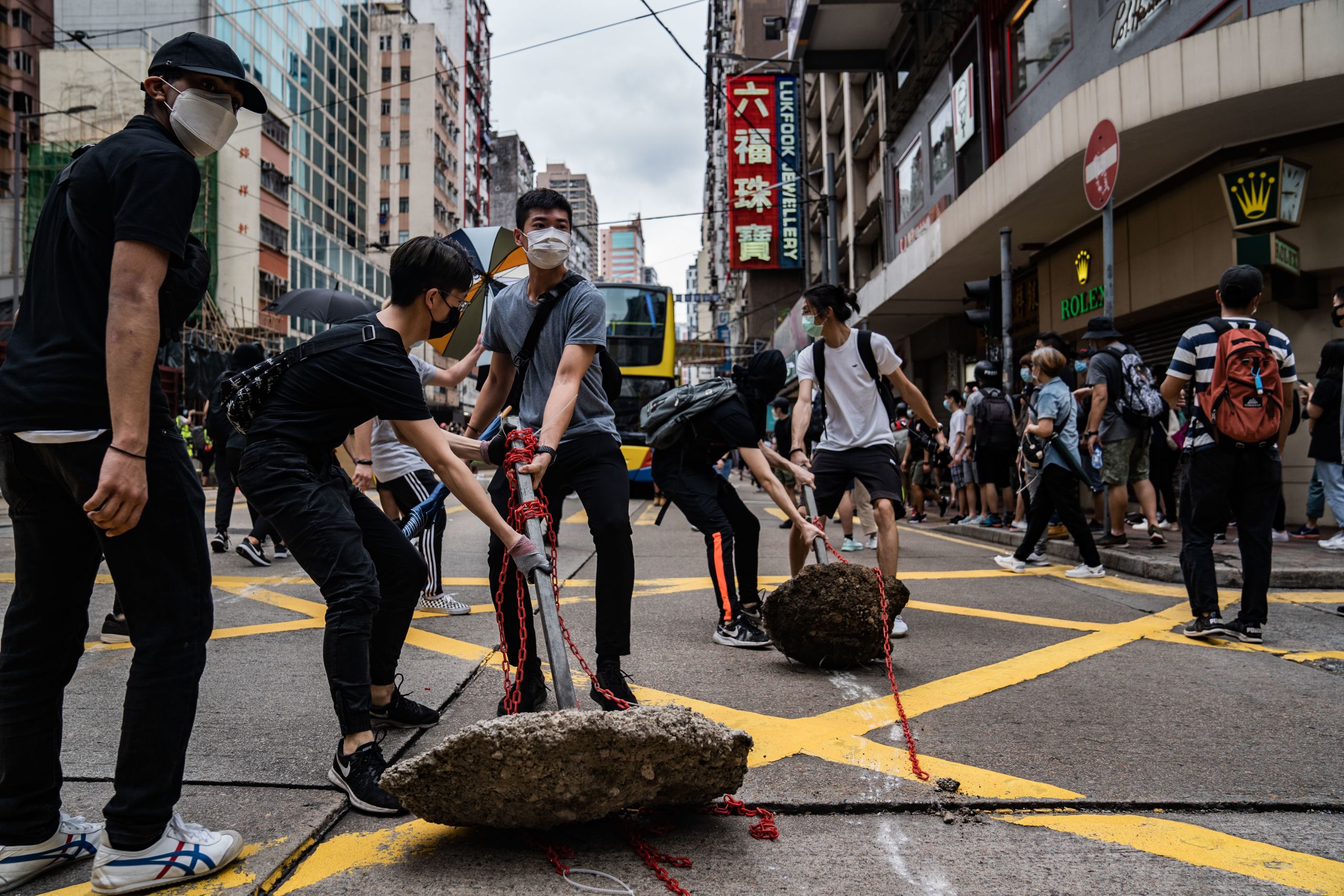

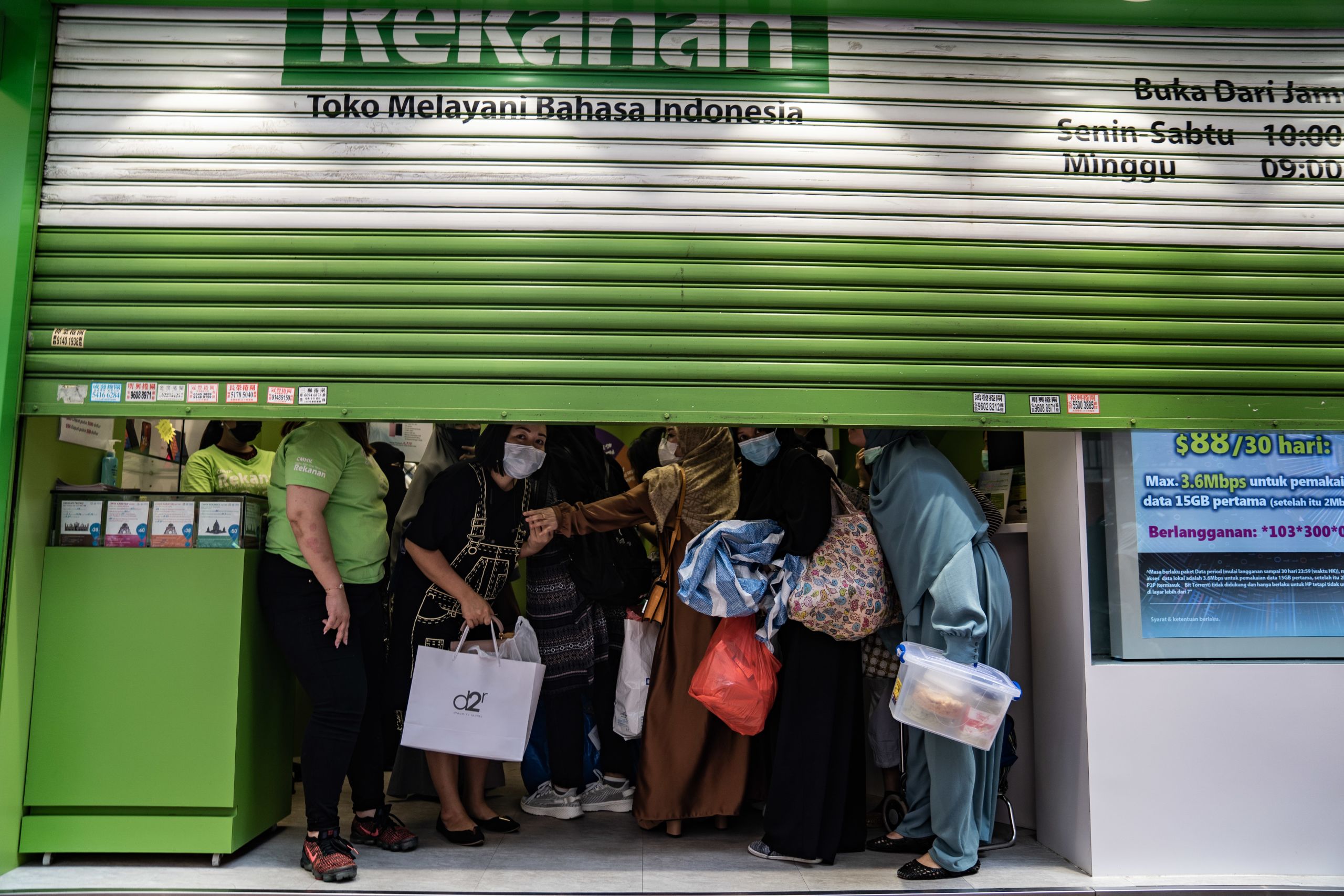

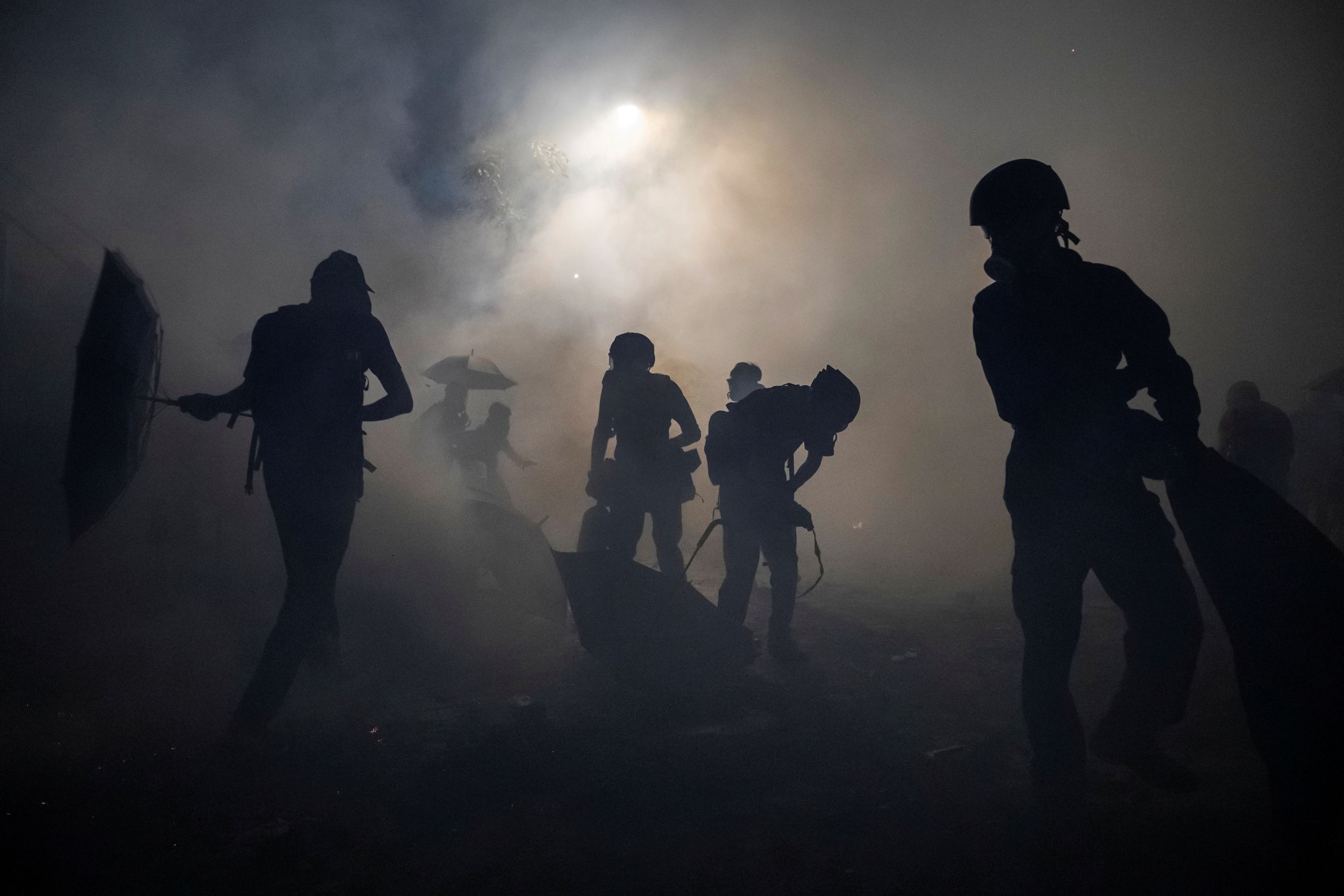

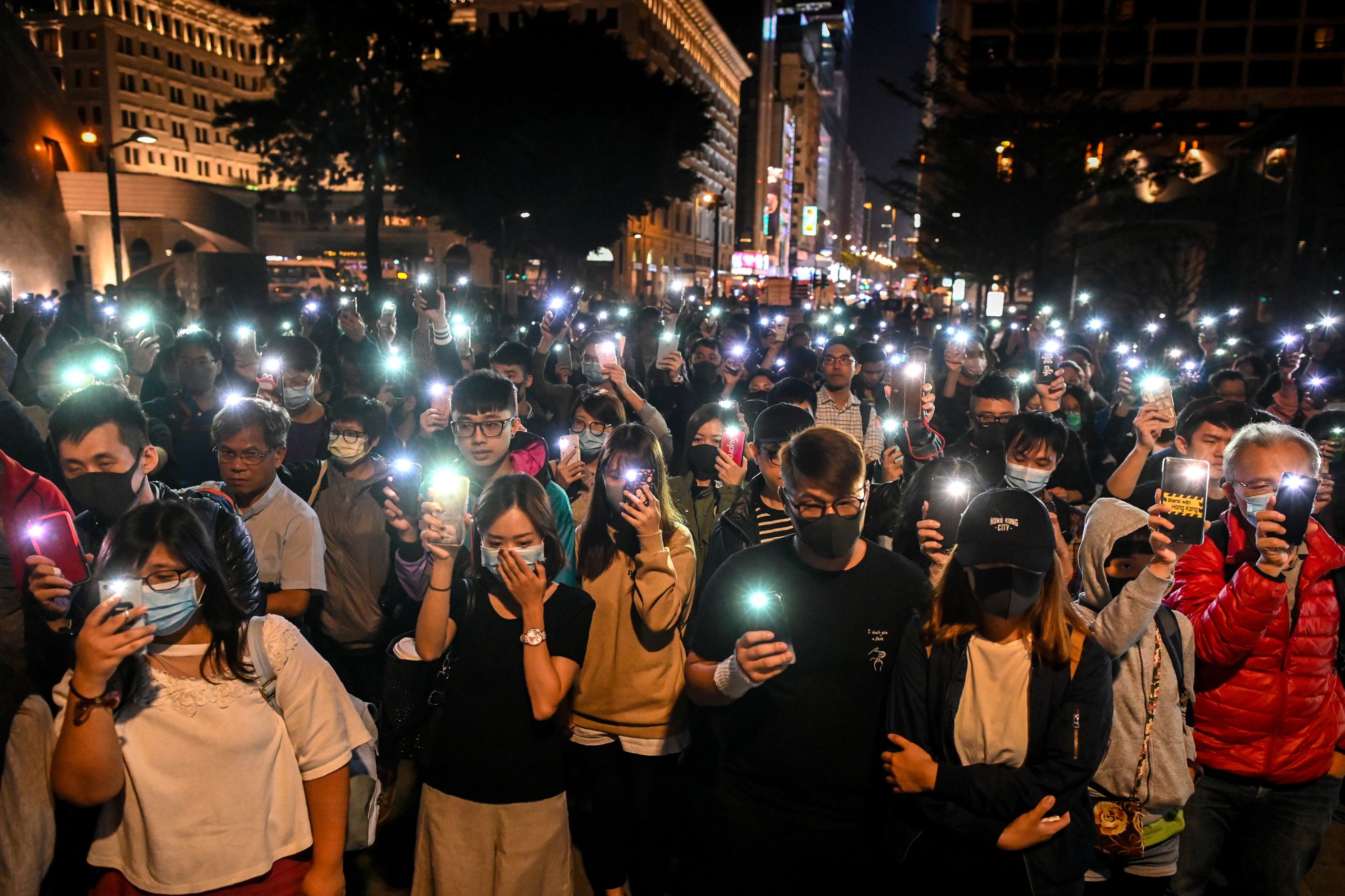
“Being water”
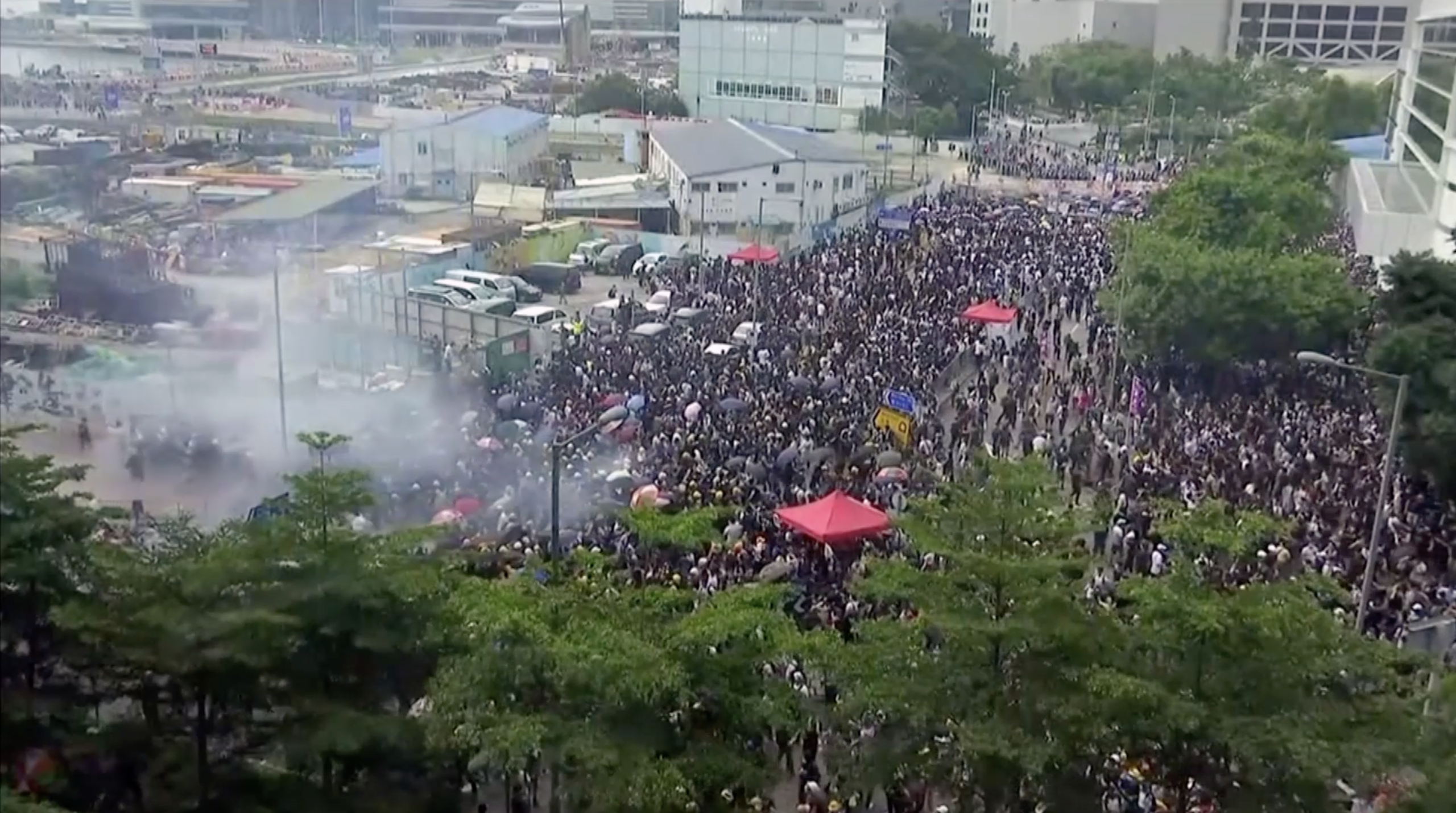

When news of the coronavirus epidemic first began to emerge in early January 2020, for many in Hong Kong, it brought up memories of the SARS epidemic of 2002-3. There was a huge amount of concern expressed in local mainstream media, in protest materials, and among pro-democracy politicians and frontline protesters. The Beijing-backed Wen Wei Po newspaper responded with an article on Jan. 11, quoting a Chinese official as saying that there were no signs of person-to-person transmission of the new disease, and attacking "rioters" for exaggerating the epidemic in Mainland China and smearing China's national image and undermining the authority of the Hong Kong government.
According to E, a lot of protesters were saying in early January that the coronavirus was actually a plot by the Chinese government, which had deliberately spread the virus to force an end to the protest movement in Hong Kong, and to cow its people into submission.
The first case of COVID-19 was confirmed in Hong Kong on Jan. 22. The patient had come to Hong Kong via the newly constructed high-speed rail link, heightening protesters' suspicions that China was behind it. The following day, Wuhan was under lockdown, and it was finally confirmed that the authorities had been trying to cover up the extent of the epidemic.
Meanwhile, the number of cases in Hong Kong continued to rise. On Feb. 2, a newly established labor union of medical personnel went on strike, criticizing the Hong Kong government's coronavirus response and demanding that the borders be closed. The strike gained the widespread support of the protest movement. But the strike lasted just five days, before members voted to end it because they couldn't abandon their patients.
Smaller street protests started to be canceled. Standoffs and clashes between police and protesters, which had already been waning before the pandemic, cooled off considerably.
Is the movement at a low ebb? J doesn't think so. “You can't deny that there are far fewer people coming out onto the streets now, but I don't think we can judge this movement by numbers alone any more: it is morphing into something different,” he says.
He thinks that part of the reason behind the sudden decline in street protests is the movement's motto: “be water.”
The adage comes from Hong Kong martial artist and movie star Bruce Lee, and means that protesters shouldn't stick to only one form of protest. It was a key idea that formed the movement from the outset, leading to calls for people to use their energy in multiple ways, to gather spontaneously and to disperse quickly. As the clashes intensified, it wasn't mentioned so much.
But according to J, “be water” is still the essence of the protest movement. For example, instead of insisting on street protests, the movement can use the District Council, build international alliances, and support the Yellow Economic Circle to forward its agenda.
“Take the medical strike, for instance,” J says. “This sprang out of the broader protest movement known as 'Hong Kong sticks together.' It's harder to hold street protests now, so the medics' strike became part of the resistance.”
“But it also had its limits,” he adds. “It was what they were able to achieve in the context of a pandemic…And I think we will still wind up coming back to the five demands of the protest movement, in the end.”
He sees the support for the medical strike, the public health information spread by protesters, and even the mask distribution stall we saw earlier as manifestations of resistance in the time of coronavirus.
Some protesters changed their slogan from “Free Hong Kong, revolution now!” to “Heal Hong Kong, fight coronavirus!”
By March 2020, the form of protests has changed, although there are still some street clashes. Protesters gather in numerous shopping malls to sing and chant slogans as part of “Sing with You” events. Police issue them with on-the-spot fines under the Restriction Order.
During Golden Week, which started on May 1, a number of large events were publicized through various channels, leading to an increased police presence in a number of districts. Then the organizers revealed that the events were a call to visit Yellow Circle shops and restaurants, which booked up fast.
Mourners continue to gather every month to mark the death of Hong Kong University of Science and Technology student Chow Tze-lok, who fell to his death during clashes with police on the night of Nov. 9. Dozens of people were arrested at these memorial events on Feb. 9 and Mar. 9.
“Everyone has to think about how to adapt to various situations,” opines J. “I think this has to be the main focus if the movement is to survive…Next time it may not be the pandemic, but something else. So the movement will need to morph again, so it can continue,” he says.

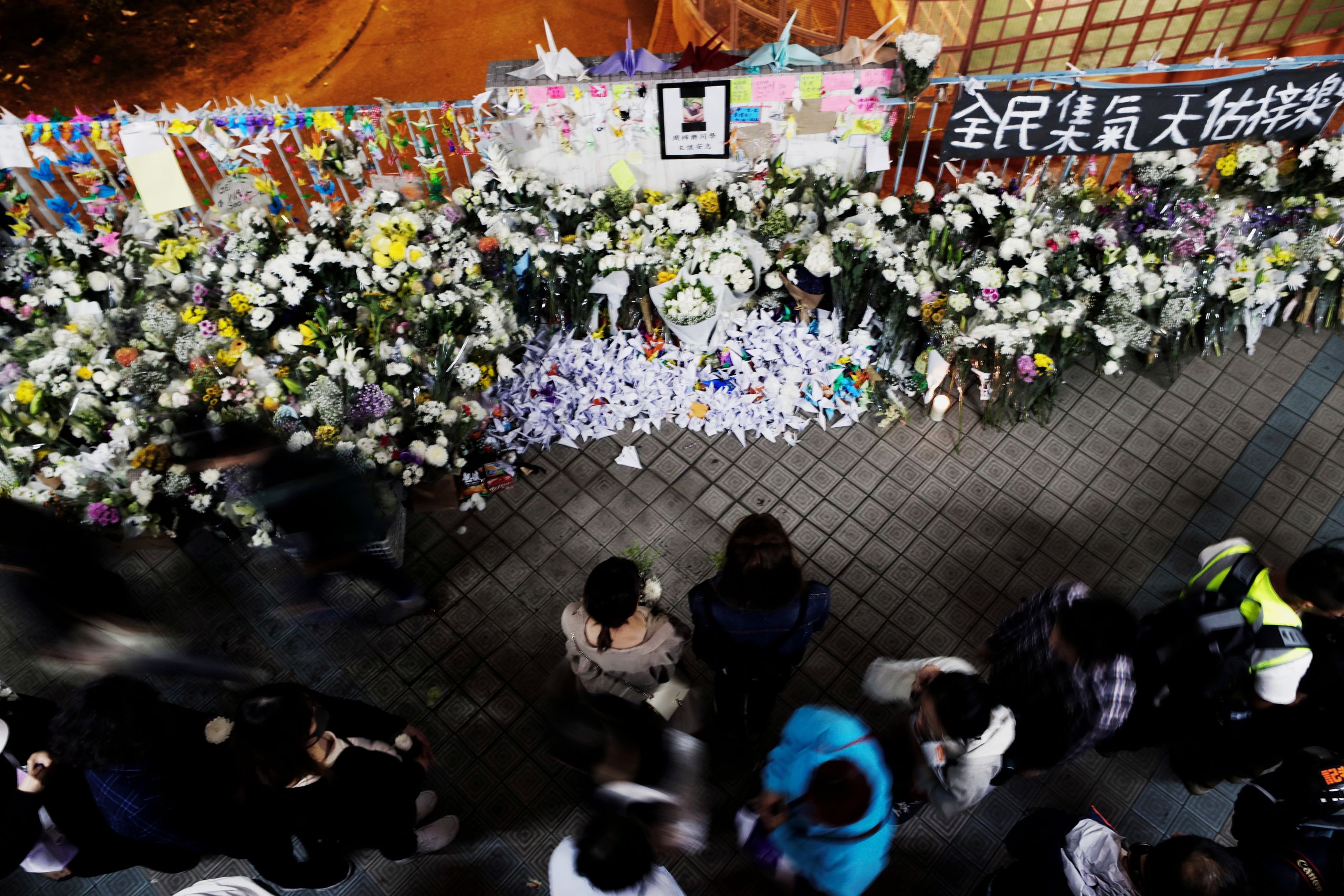
Mourners gather for Chow Tze-lok's memorial. (Photo: Reuters / Shannon Stapleton)
Mourners gather for Chow Tze-lok's memorial. (Photo: Reuters / Shannon Stapleton)
Beyond coronavirus?

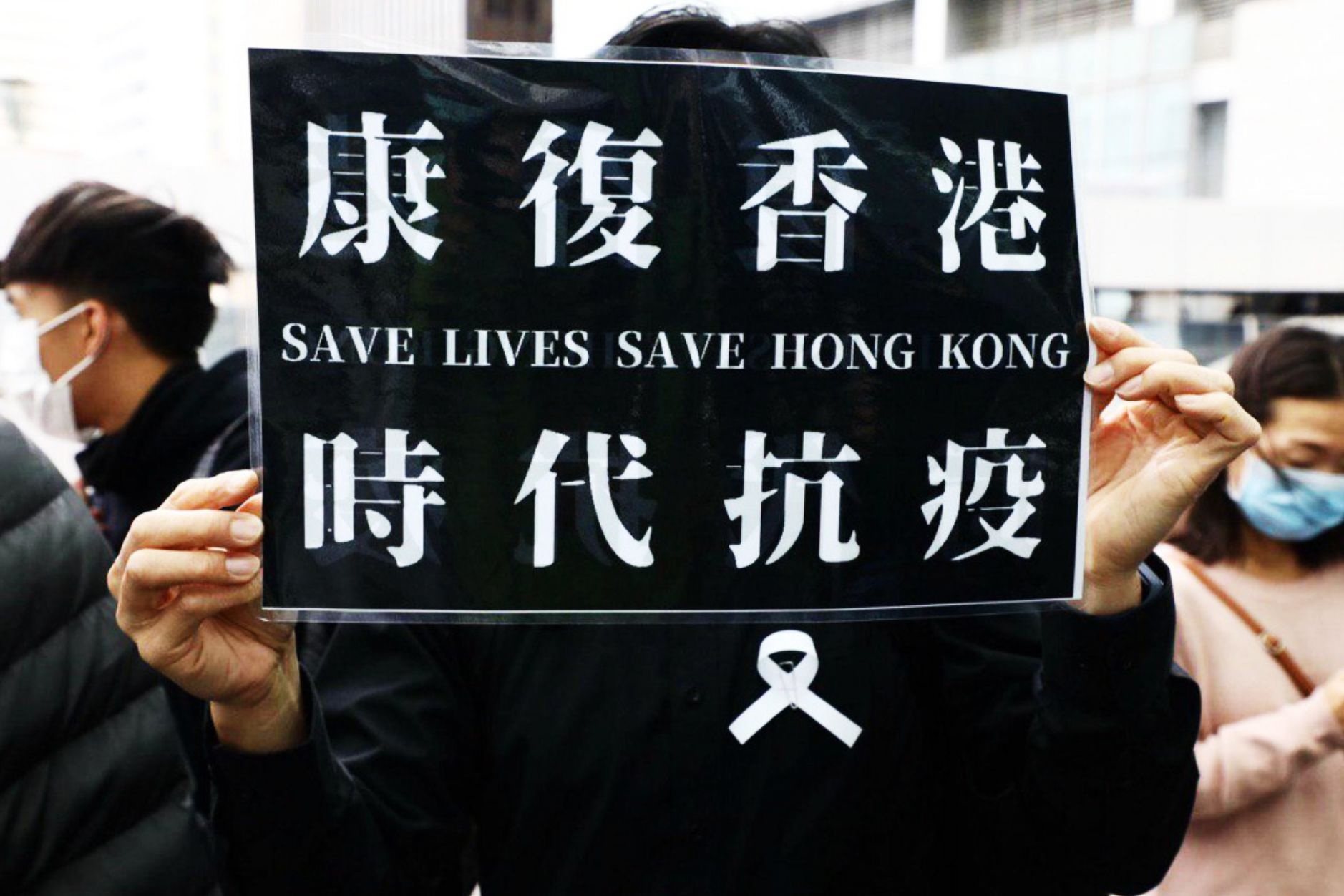
Back in 2003, after the end of the SARS epidemic, widespread public opposition to national security legislation under Article 23 of the Basic Law led to a turnout of half a million at the Jul. 1 handover anniversary protest march, the biggest since the 1997 handover to Chinese rule.
Given that the movement has fallen silent at times since then, some people expect it to re-emerge after the current pandemic is over.
"People are recharging their batteries," declares E, who thinks that more people in the Blue Camp will see through the tactics used by the authorities as a result of the pandemic.
"The pandemic is really striking at the heart of people's livelihoods; we have seen poor decision-making covered up with fake news," she says. "Most people have been severely affected in terms of their finances."
E says that many people blame the ruling Chinese Communist Party in Beijing's failure to report the extent of the coronavirus epidemic for job losses, and are angry at the lack of independence shown by the Hong Kong government. And protesters want to avoid a recurrence of this suffering.
J says things today can't be compared with the situation 17 years ago in Hong Kong. “There were no protests in the year preceding SARS, so we didn't have the problem of exhaustion,” he states.
"It's already a miracle that the movement still continues today," he says. He definitely doesn't expect to see much of a change in the size of future protests or the numbers of those taking part.
Instead, he thinks the demands of the protest movement could change. In the early days of the movement, the five demands didn't include independence for Hong Kong; in fact, not many people were calling for independence at all, he says.
"We didn't want to create too much loss of face [for Beijing]," J states. But the misreporting of the outbreak has increased mistrust of the Chinese government, and tensions have been further exacerbated by the Hong Kong authorities' arrest of pro-democracy figures during the pandemic.
"I think when the pandemic is over, we are likely to see even louder calls for independence," J opines.
CUHK's Leung agrees that the protest movement during the current pandemic can't really be compared with the SARS era. The Jul. 1, 2003 protest only lasted for a single day, unlike the current protest movement, which has shown great consistency in terms of scale and breadth of public support, and can't really be used to understand what is happening today.
For now, the pandemic is far from over, and the havoc it is wreaking makes it hard to make accurate predictions about the movement's direction.
Leung says data is of more use than intuition when it comes to making predictions. He cites a March poll by the Hong Kong Institute of Asia-Pacific Studies at CUHK, which found that only 36 percent of people supported continuing with protest activities during the pandemic, due to health and safety concerns linked to coronavirus. But nearly 50 percent supported further "large-scale mass events after the pandemic subsides," compared with 30 percent who opposed such events.
Back then he still thought that enthusiasm for the protest movement would rebound, and were likely to take to the streets once more, once the epidemic was over.
Stay put and wait

But a resurgence of coronavirus cases in July may have dampened that enthusiasm, as the authorities continue to impose restrictions on public gatherings. Restaurants have been forced to close, and there are far fewer people on the city’s streets these days.
I catch up with J again, who says he’s OK.
“Not much has changed,” he tells me. “I was pretty cautious during the first wave, so the second wave won’t affect me too much.”
He says he is fixing up his apartment, and is about to clean the sink.
E is more fearful under lockdown, with five or six coronavirus cases diagnosed in her immediate neighborhood already, and says that everyone is fearful. She feels confined in her tiny apartment and has flashbacks to her time in police custody.
“During the first wave, I only cared about health issues, but this time around the thing I fear most is isolation,” she tells me. “I never want to experience that again.”
Suspicions are also rife around the authorities’ introduction of a “health code” system to restrict the movements of individuals based on their health status.
According to J, this is clearly just an excuse to harvest people’s personal data.“This is an impractical measure. There were so many things they could have done before, like closing the border or strengthening quarantine measures,” he tells me. “This is just a way to further limit Hong Kong’s freedoms and to please Beijing.”
E agrees.
“It doesn’t seem very draconian, so it’s actually a very clever strategy, but it is a roundabout way to encroach on personal privacy and freedom,” she says. “The blue [pro-government] faction will support it, but it will also find favor with liberals and light yellows.”
“They will think that it can’t be too political, because it’s a public health issue, but I don’t think their privacy will be protected, actually,” E states. She thinks the health code is entirely unnecessary. “It does more harm than good to Hong Kong people. Many of my friends are against it. They have written many posts on Facebook and Instagram about it.”
Since the pandemic began, Hong Kong has once again made world headlines, with the U.S. Treasury announcing a slew of sanctions against high-ranking Hong Kong and mainland officials involved in the passing and the implementation of a draconian National Security Law, which came into effect on Jul. 1.
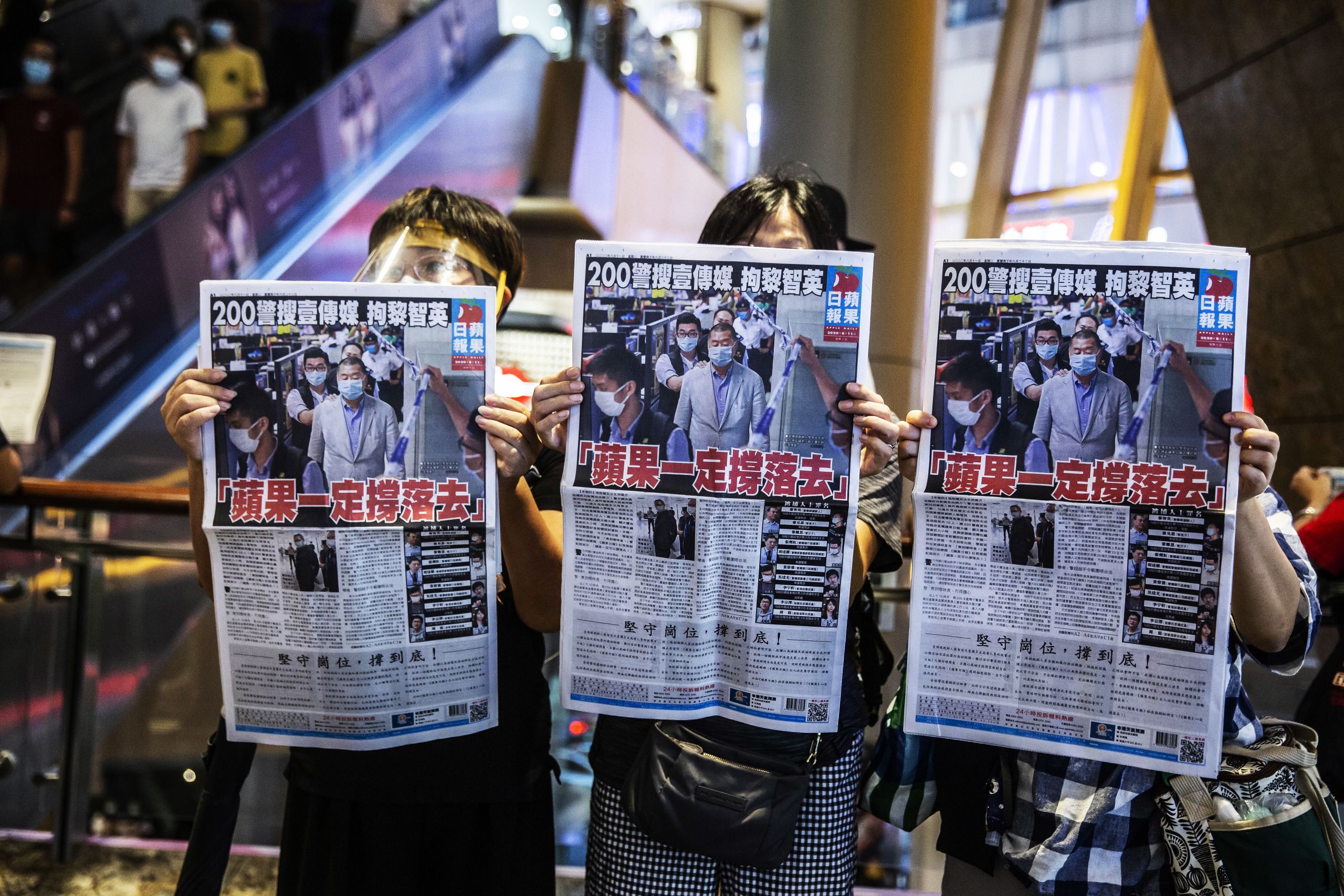
Pro-democracy media mogul Jimmy Lai and democracy campaigner Agnes Chow have been among the first arrests under the law, which bans words and deeds considered seditious, secessionist or terrorist, as well as “collusion with foreign powers,” which can include peaceful activities like overseas lobbying.
The Hong Kong government has also postponed elections to the city’s Legislative Council for a year, citing the pandemic. Protesters are starting to feel increasingly helpless in the face of such change.
“I haven’t done much at all since the second wave of the epidemic here,” J says. “All I can do is help promote the movement internationally on Facebook and Twitter, and try to comment more online, but it’s not much.”
There is little to be done on the streets right now.
“Gatherings of more than two people are banned, so it’s hard to see how we could do more under those circumstances,” J says.
E says she has been limited to commenting online, too.
But neither feels hopeless.
“We feel that we did everything that could be done,” J states. “Now the whole thing has gone international, and global powers like the U.S. have taken up a role.”
“The next step is to wait and see how the international community will cooperate to support Hong Kong.”
And there are signs that resistance continues, albeit in a much more low-key way. Every time E goes out for takeout, she spots new posters and graffiti criticizing or mocking the national security crackdown.
"Even if Hong Kong’s freedoms are being increasingly stifled under the National Security Law, people are still trying to use what limited freedom they have left,” E says. “In this spirit, Hong Kong’s freedoms will never die.”
No sooner does she finish this sentence, then her tears start to fall.


 Built with Shorthand