
China’s Coronavirus Hospitals:
The Workers’ Story

At the height of the coronavirus outbreak in the central Chinese city of Wuhan, authorities rushed to build makeshift hospitals at Huoshenshan and Leishenshan. The operation was touted as a shining example of how fast China could get things done. But behind the bustling construction scenes, WhyNot found a different story: workers pressed into service with no contract and with very low pay. Once their work was done, they were then locked up in their dormitories for 14 days, without any of the promised subsidy payments. Eventually, after a long wait and much confusion, they broke out of the dormitory and went to complain to their foremen.

"We're off to No. 3 Construction Corp. to stand up for our rights!"
It was 7 a.m. Migrant worker Wang Xiongying woke from a dream. It was Mar. 24. The forecast was cloudy. He could hear people arguing, so he got up and went downstairs to take a look. He made his way out of the quarantine dormitory for construction workers at the Huoshenshan and Leishenshan Hospitals.
He soon found a noisy crowd. People were all yelling at once, their speech carrying the accents of Hubei, Jiangxi, Guangdong and Shaanxi provinces. They had been hired from all across China as virus-hit Wuhan found it hard to recruit workers closer to home. "Did you get your quarantine subsidy payment yet?" one wanted to know. "No," replied another. "Nobody has seen the money, and it's been three weeks," said another. "We need to go and demand it together, or they won't give it to us," one worker declared.
Just then, Wang Xiongying was joined by a couple of dormmates, Li Yan and Yang Yuan.
Yang Yuan had given the matter some thought. The foreman had told him the night before that there was no money to pay the promised subsidies. Word flew around the dormitory that they would be going to the project management office to discuss the issue tomorrow. Wang Xiongying fell asleep that night in spite of his concerns, comforted by the thought that they would have to pay him what he was owed.
But even the best-laid plans go awry. The workers’ path was blocked by seven or eight security guards, who told them they were under quarantine and couldn't leave. “We've given you a place to stay and food to eat, and yet still you come here making trouble,” one of them told the workers.
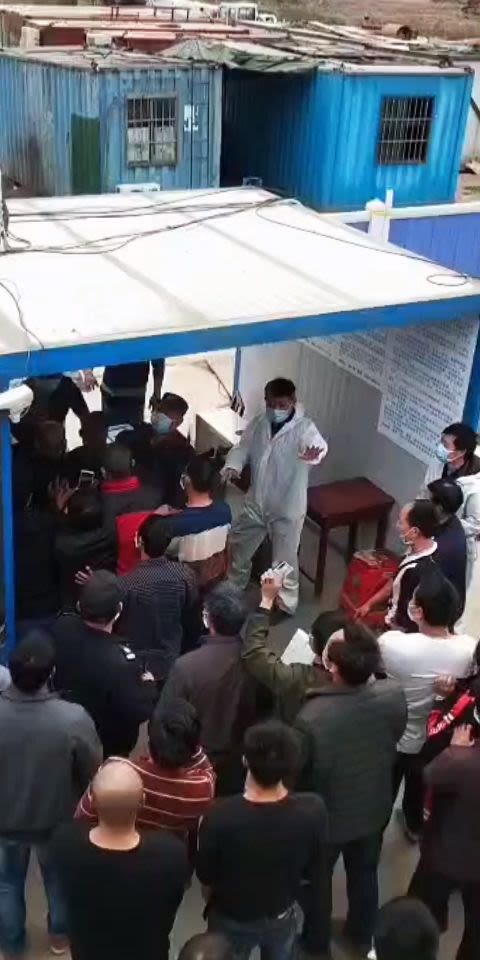
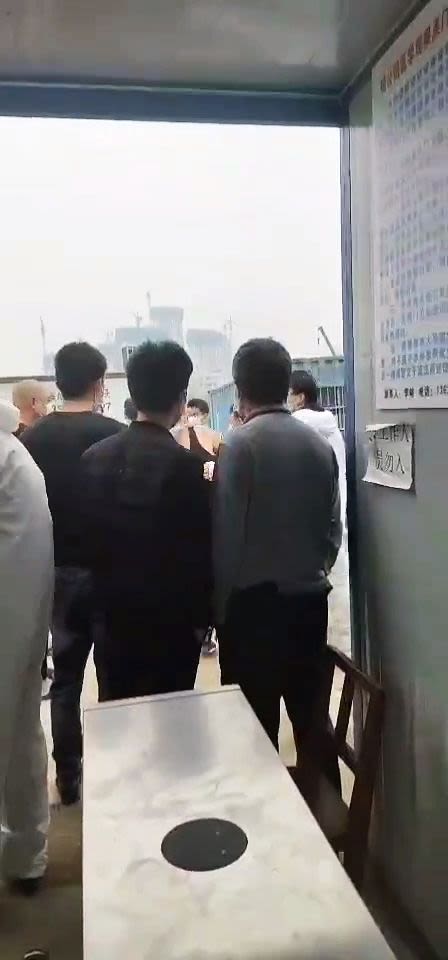
This upset the workers even more. Pretty soon, more than 100 employees gathered in the hallway and corridors of the dorm. Some wore face masks, others simple coats, while some were in their shirtsleeves. They amassed around the exit area, pushing, shoving, and shouting. The video Wang Xiongying shot on his cell phone was incredibly shaky from all the jostling. About 10 seconds into the video, workers were seen to have forced their way out of the dormitory doors heading in the direction of the project office.
Street battles with police


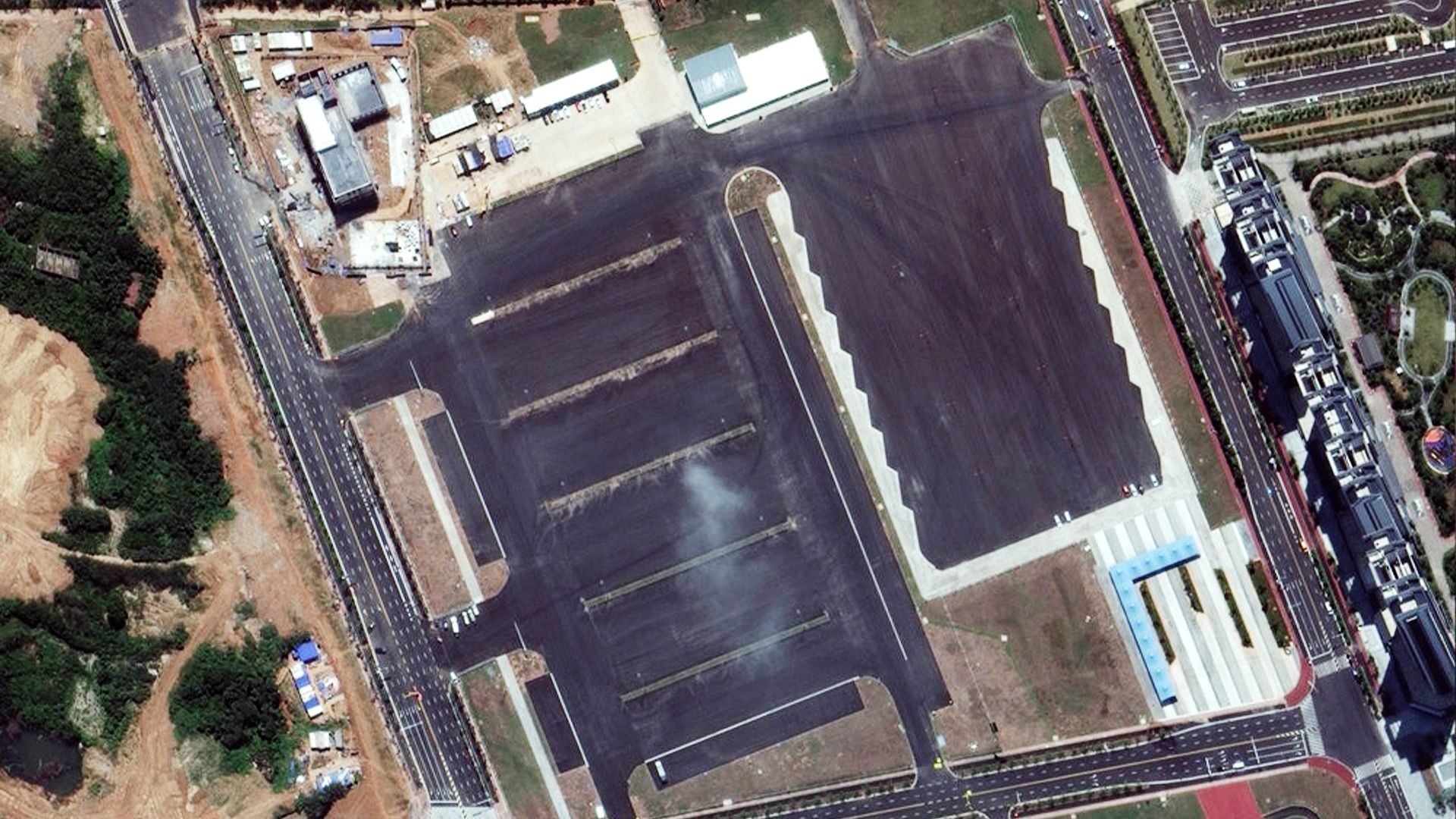

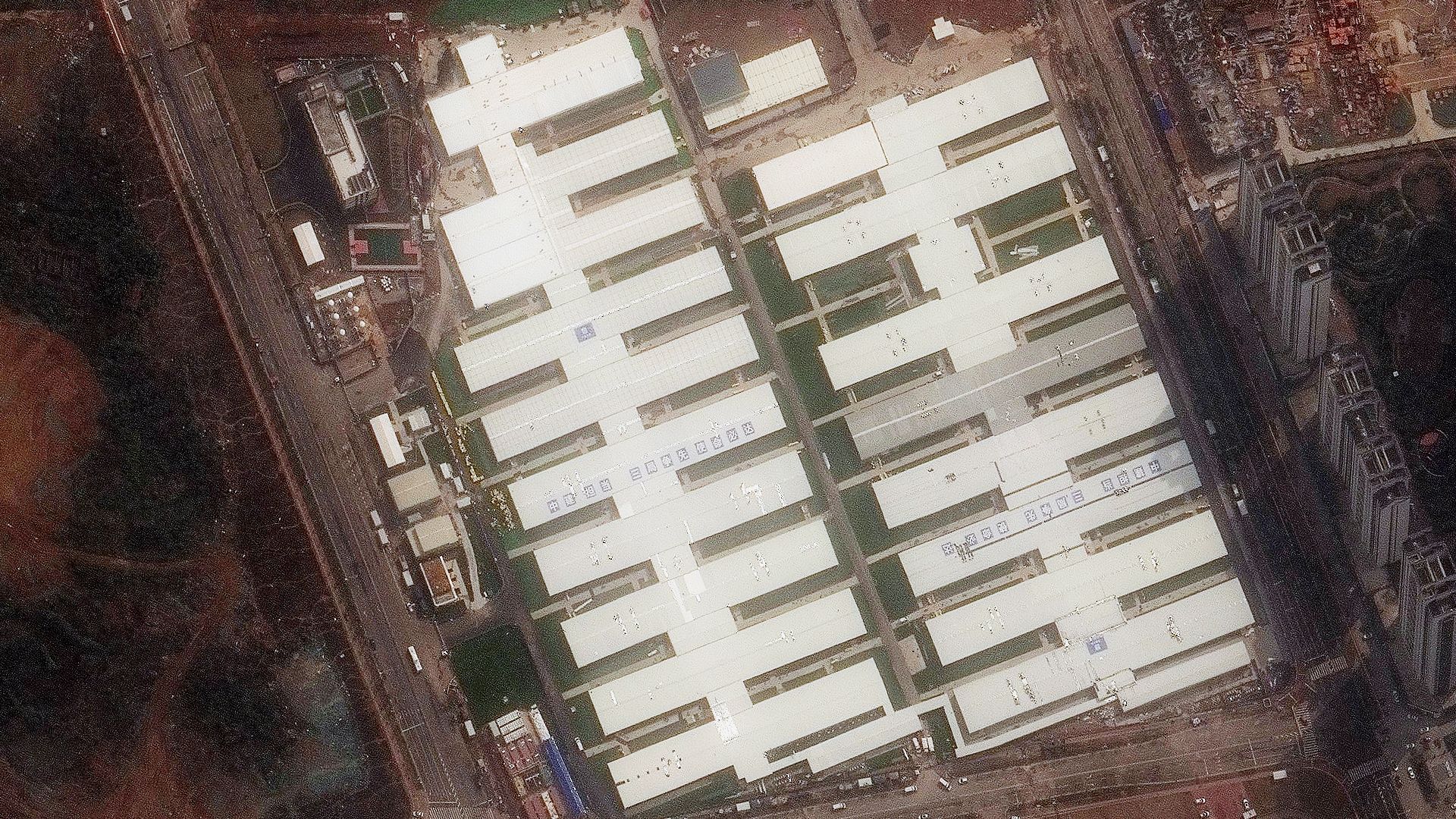
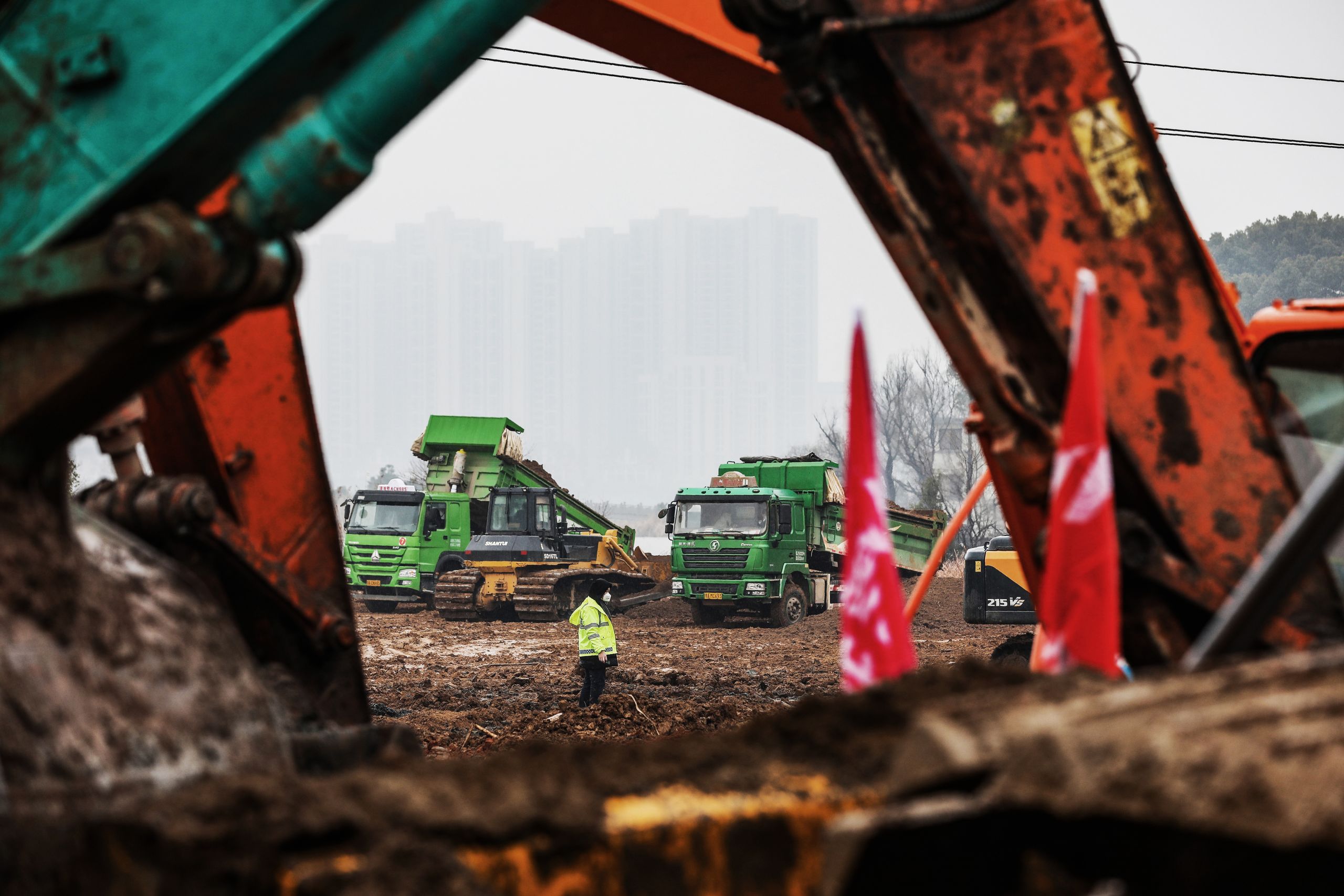
At the end of January, authorities in Wuhan ordered the construction of two hospitals, Huoshenshan and Leishenshan, to treat those seriously ill with coronavirus.
The thing everyone wanted to know was, just how long would it take infrastructure-mad China to complete them?
The answer, with the help of more than 7,000 construction workers, 1,000 mechanical diggers and trucks, and a two-kilometer line of vehicles linking the site to Wuhan, was 10 days.

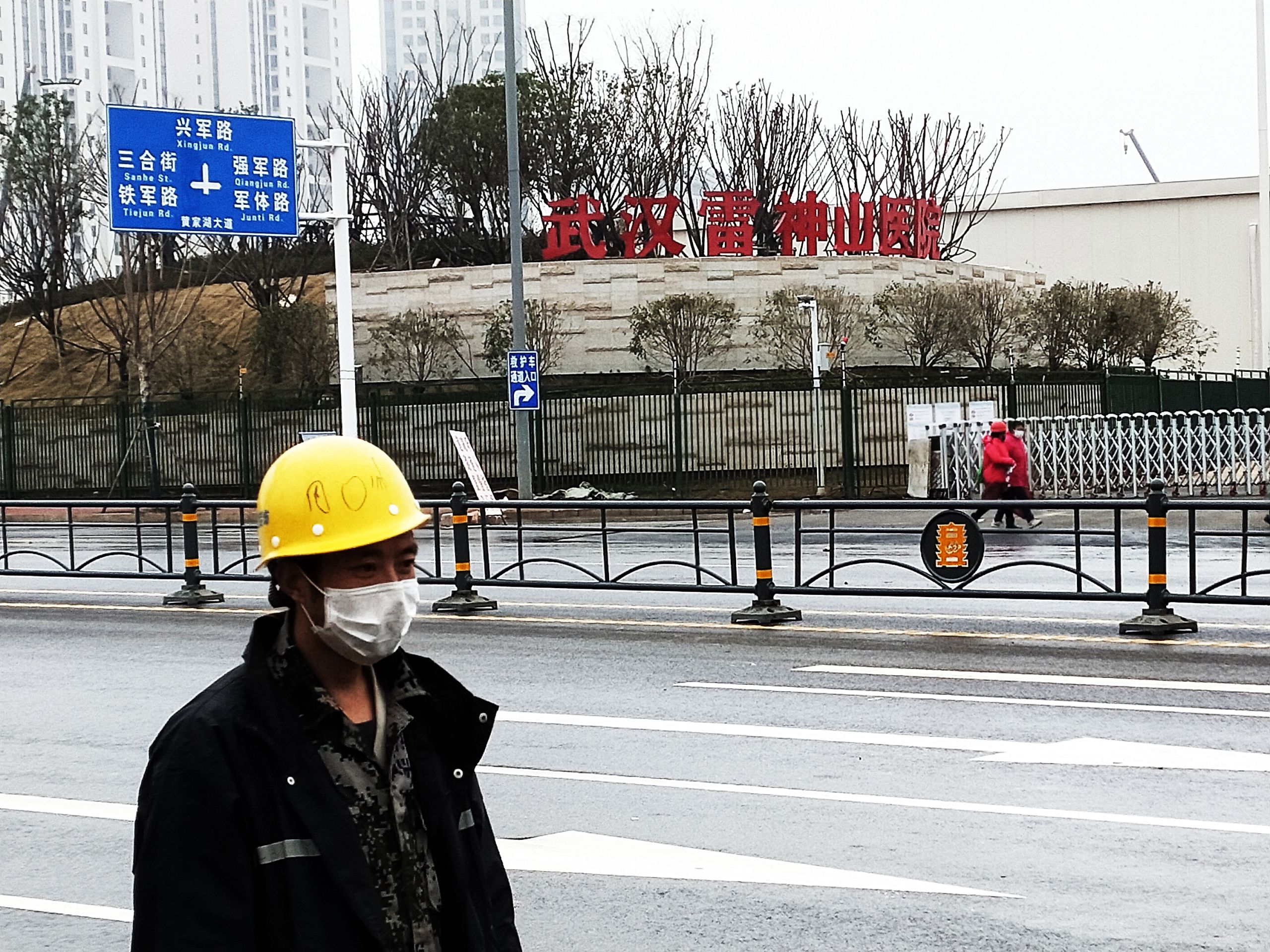

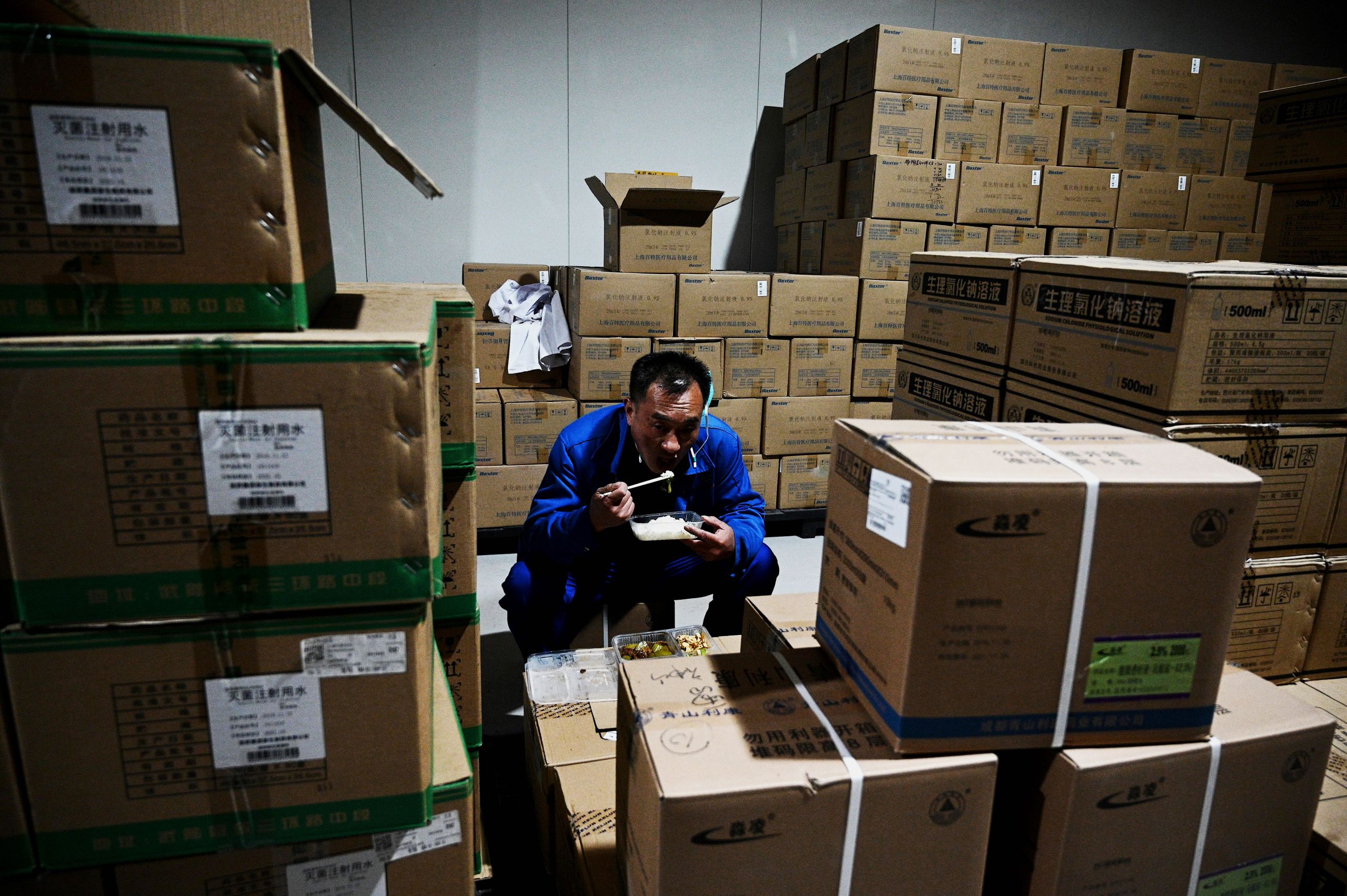
It was a symbol of China's rapid rise, happening before our very eyes, all of it driven by workers like Wang Xiongying.
The hundreds of workers quarantined in No. 3 Construction had been brought in to help with the construction of Leishenshan Hospital. According to cutting-edge news organization Caijing, they entered quarantine on Feb. 28, and it was then Mar. 14 and they were still not allowed to leave.
Colleagues who worked on the early stages of the project had gone home to self-isolate. On Feb. 13, Wang Xiongying was told that, as two of that group of 69 had tested positive for coronavirus, none of the migrant workers would be allowed to go home.
"They daren't let anyone else leave, so you're stuck here until the liberation of Wuhan," he was told.
Initially, the workers were paid a subsidy of around 5,000 yuan for their first 14 days in quarantine. Later, the pay was lowered to 300 yuan a day for the duration. But even that turned out to be an empty promise.
Their situation was getting worse by the day. Between Mar. 17 and 24, clashes between workers and security guards were happening almost on a daily basis.
"It was like something out of a movie," Wang said. "It was like gang warfare between the workers and the security guards."
One worker who came out of the 14-day quarantine returned after being unable to get out of Wuhan. For some reason, he didn’t get the free lunch and dinner from the management company. He went to ask, the security guard said, "You won’t leave now when you are asked to leave?" The pair started fighting.
Another worker, a short man leaning on a second-story banister, threatened to jump. "You won't give us our subsidy, so when will you let us go?" he demanded.
On the day that the band of 100 or so workers marched to the project office board room, emotions were at a breaking point. They hastily picked foremen to represent them in negotiations with No. 3 Construction. Wang Xiongying, Li Yan, and Yang Yuan waited outside with everyone for nearly two hours. Someone even called the mayoral helpline, and was told by the operator that the details of their situation would be carefully recorded. Someone else called the local Chutian Metropolis Daily newspaper, but they didn't send anyone. The police came by and promised they would give the workers an explanation. Everyone sat dejectedly on the curb and discussed what they would do if the money didn't come through.
Just before 11 a.m., the foremen came out. The bosses had told them they would report the matter, and that the workers would hear back in a couple days' time.
But that wasn't good enough for the workers. "Let's go and demand justice from City Hall, from the mayor!" someone shouted.
So they ran out the construction site, shoving their way past the stainless steel sliding gate and up the street.
"The police took out their batons, including electric batons, and the security guards weighed in on us too, which just added fuel to the fire," Wang Xiongying recalled.
Everyone - local residents, street cleaners, take-out restaurant owners - watched through nearby windows. One worker tried to livestream the fight on Douyin, but his account was shut down for three days for his 10-second video.
Eventually, the workers dispersed, and went back to the construction site for lunch.
"That’s just how the construction industry works"

Wang, Li, and Yang hadn't known at first that they would be working on Leishenshan Hospital. The online recruitment ad just called for frame-fitters and general workers:
Wanted: five people to work in Wuhan for around one week with 14 days in quarantine. 500 yuan per eight-hour shift with pro-rata overtime. 300 yuan/day during quarantine, free accommodation, no meals provided.
"I didn't think anything of it at the time, because only about one in 1,000 of Wuhan's millions of people were infected, so I thought the risk was pretty low," Li recalled.
So he packed some clothes and a few face masks and went to meet up with the foreman at a city in southern China. After a few hours on the high-speed railway to Wuhan, Li arrived at the site the next day, greeted by a big sign in red letters that read "Leishenshan Hospital." He thought of leaving, but when he looked down the road, there was no transportation, not even a bus. "There was no escape," he said.
Wang saw the recruitment ad in a WeChat group, friended the foreman, then messaged him to ask what to do next. The foreman told him that the work wasn't too strenuous, and that the shifts weren't too long, only about nine hours a day. "So what is the job, actually?" Wang asked him. "Why do you care, as long as they pay you?" the foreman replied. "If you don't want the job, forget it."
Wang thought the workers were being hired to build an additional wing for Wuhan's Fangcang Hospital, and he figured that there wouldn't be any patients there while work was going on. "If I'd known it was Leishenshan, I never would have gone" he stated.
Wang, Li, and Yang never signed any contracts.

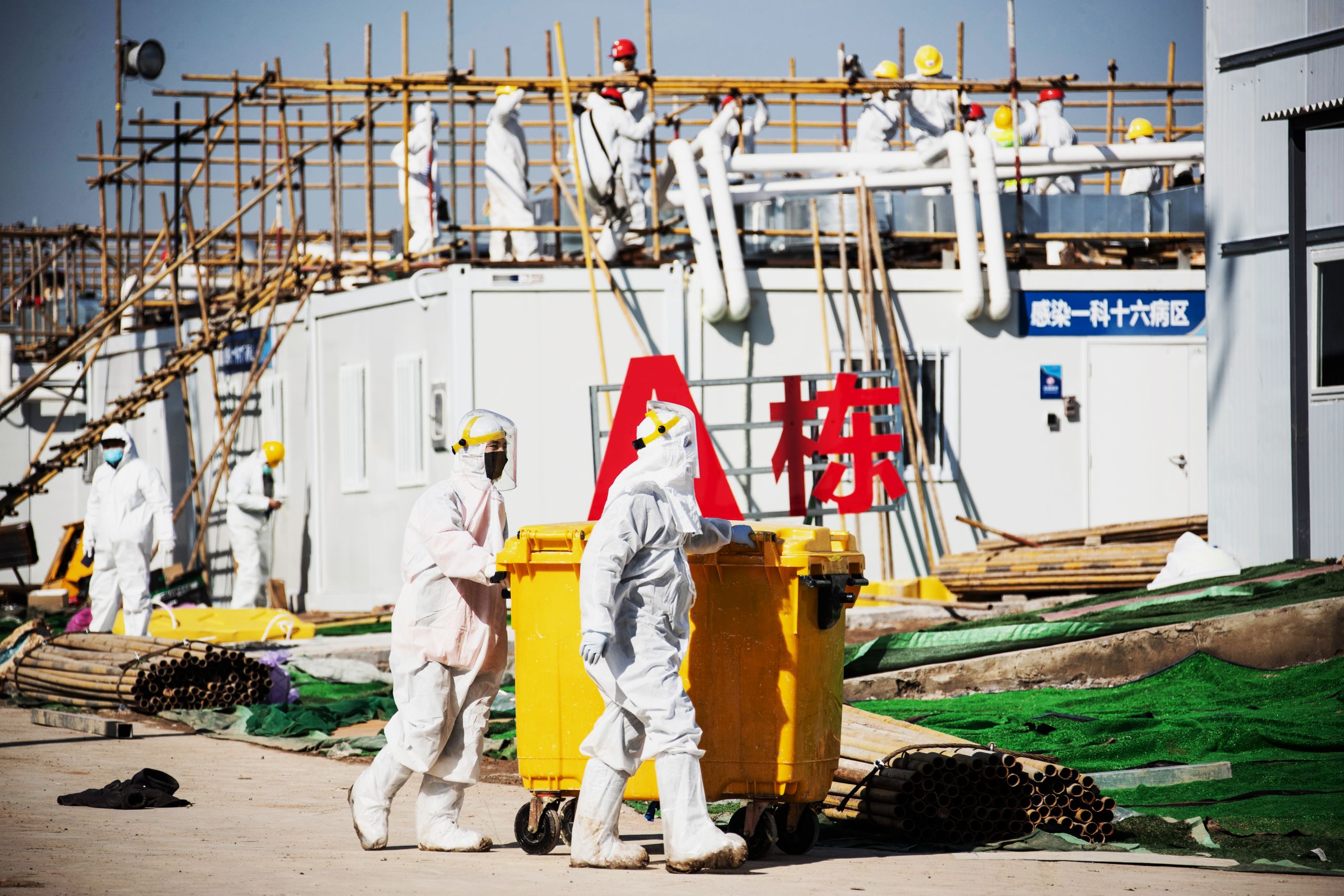

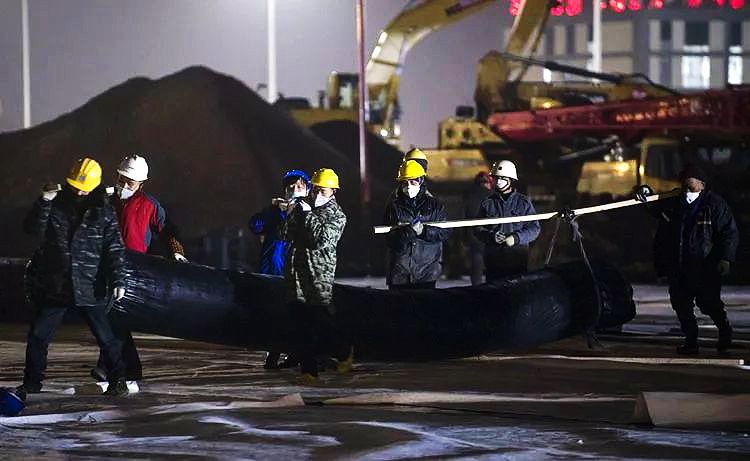

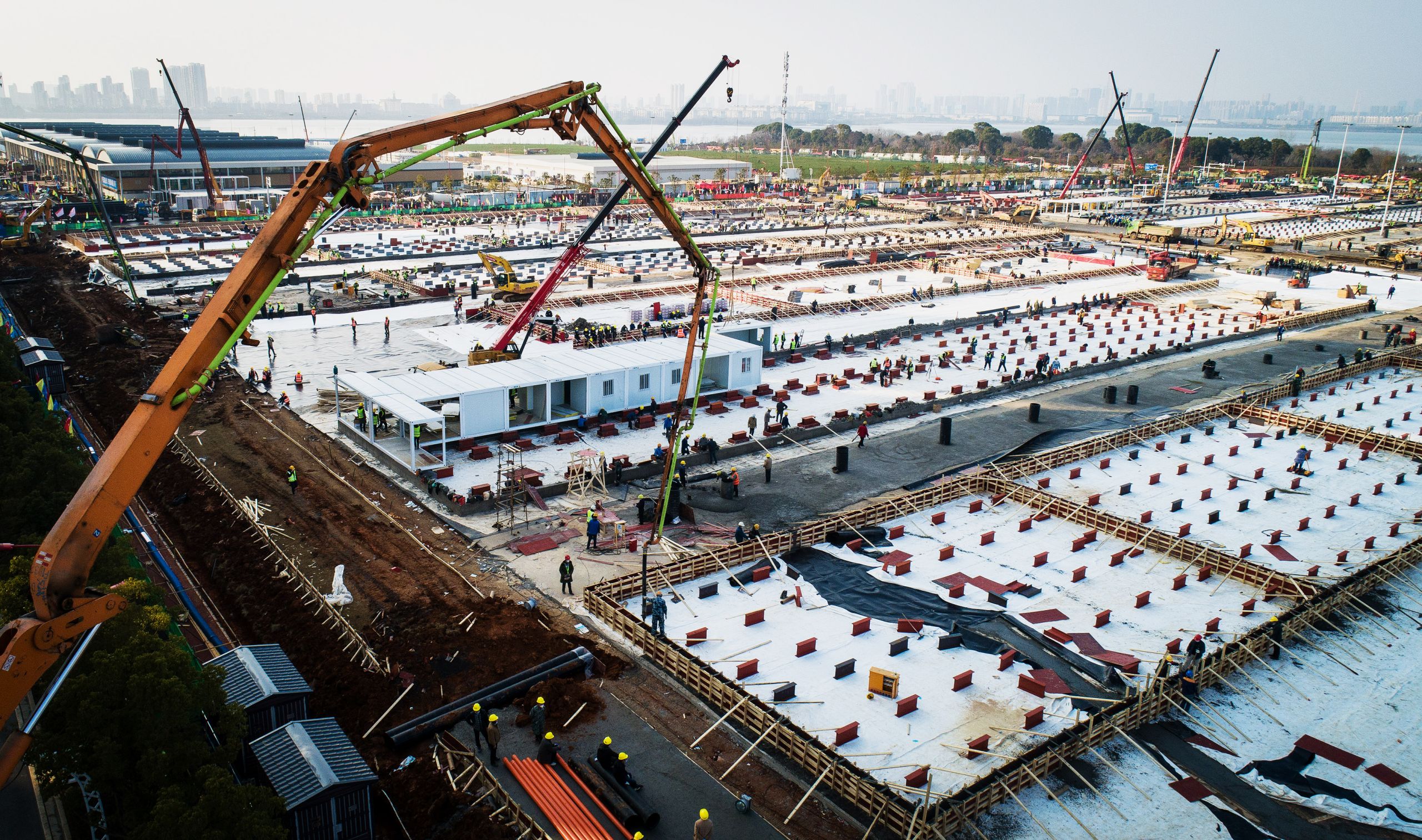
Xu Ke, a worker recruited to work at Leishenshan a little later, had a wife whose baby was due in April. She didn't want him to go, but the foreman, who was an acquaintance, said Leishenshan needed to hire a lot of people in a hurry to meet a deadline. Xu took the job, fearing that if he said no, he wouldn't be offered any others, because “that's just how the construction industry works.”
"It's an unwritten rule in the industry," Xu said.
So it was that Wang, Yang, and Li donned personal protective equipment (PPE), hard hats, and canvas gloves, and set to work the morning of Feb. 20.
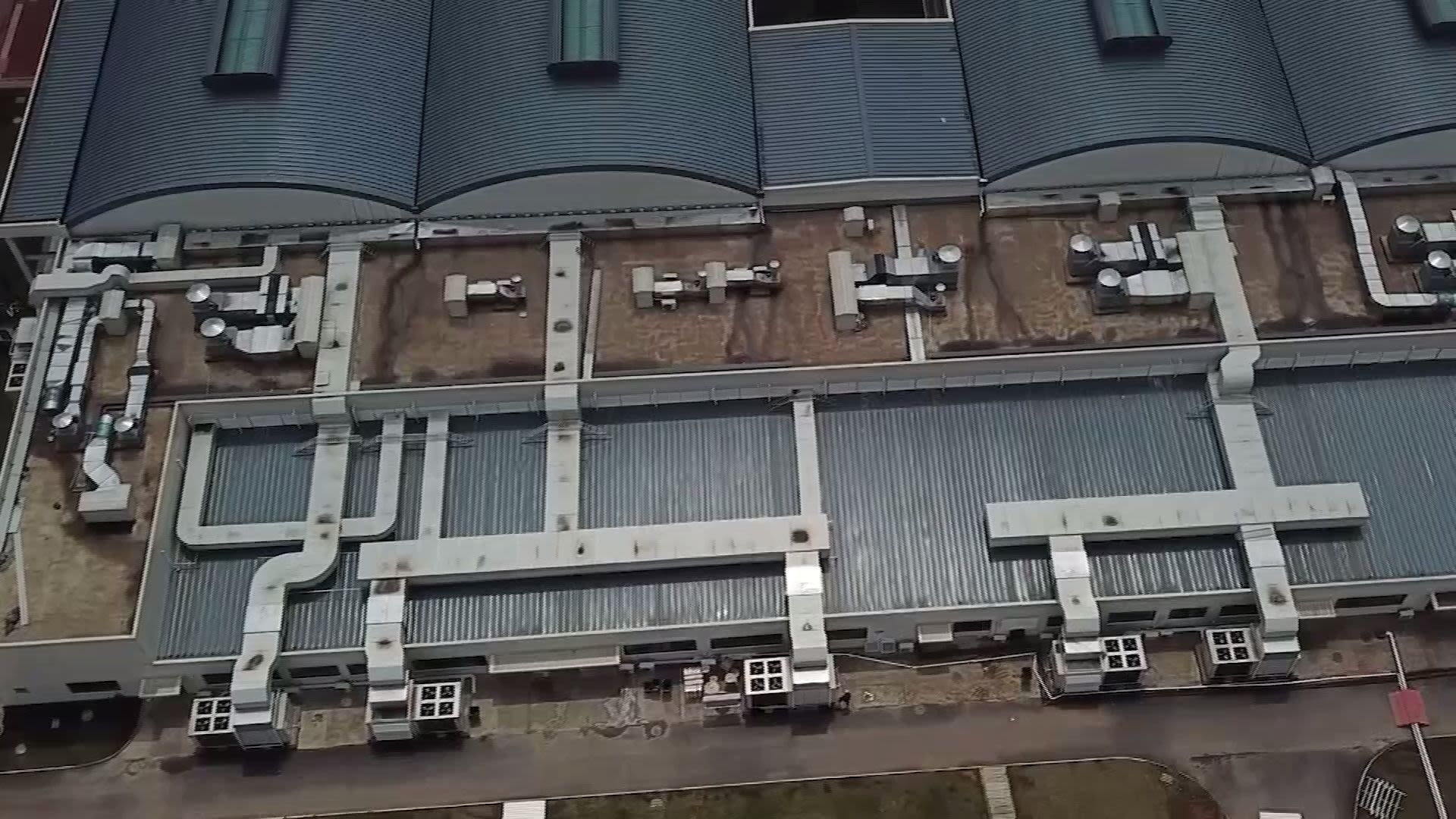
By then, the main ward area was already complete and was in the final outfitting stages. Piping, ventilation equipment, and decontamination facilities still had to be installed in the ceiling, as well as metal tiles to waterproof the roof. Their main task was to build shelving on the walls and roof structure. They constructed the metal frames, screwing parts together with power tools and mounting the piping. The work wasn't hard, but it was working at a height in cramped conditions, and there was a risk of falling.

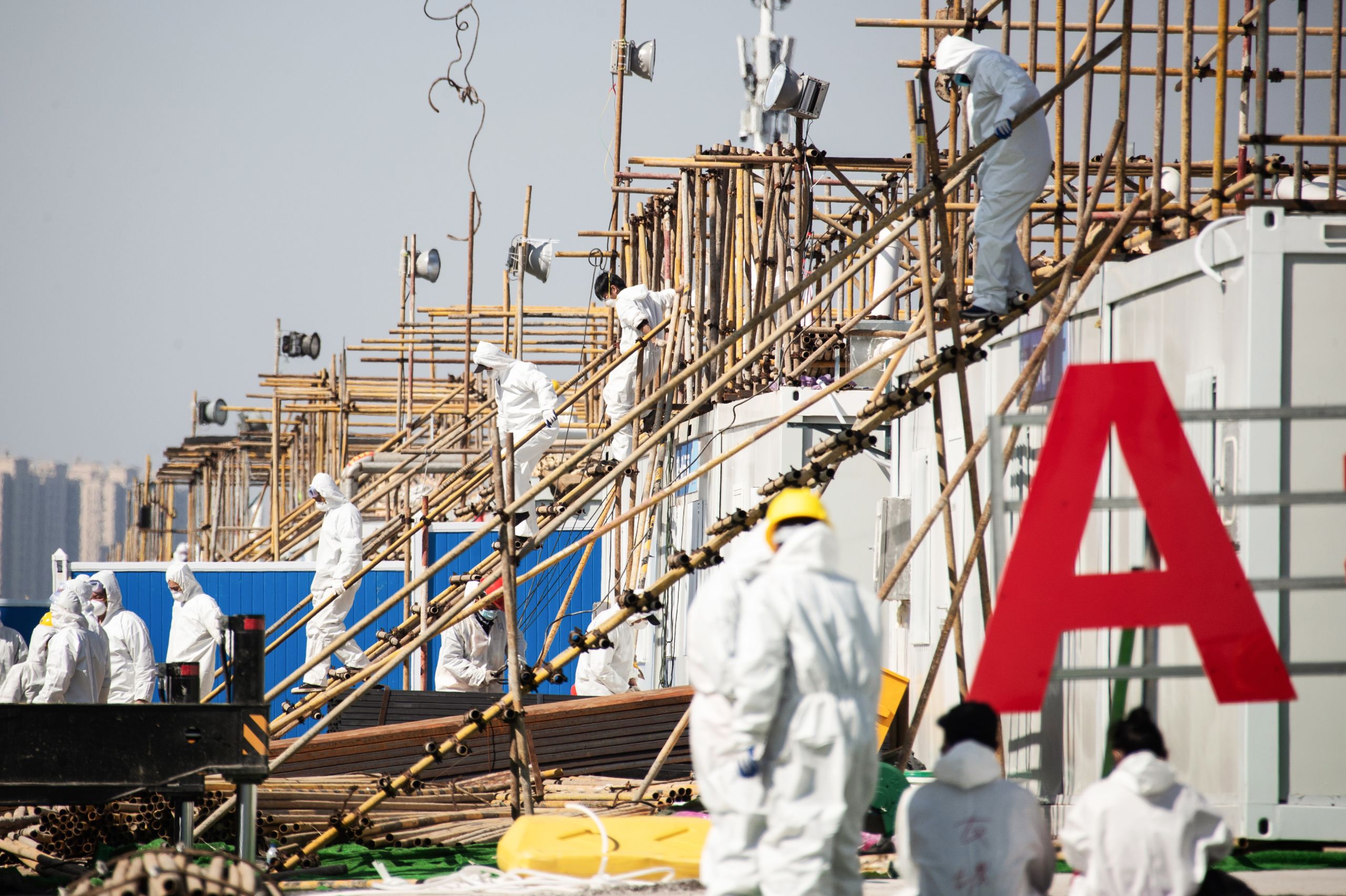
(Photo: STR / AFP)
(Photo: STR / AFP)
An even greater risk was the virus. Workers had to change their PPE and masks three times a day. When someone came to disinfect the area, workers would like to come over to get sprayed. They also used hand sanitizer when changing out of their PPE at lunchtime.
Wang, who installed metal frames right next to the wards, was most worried. He saw ambulances coming in and out, making dozens of trips, carrying more than a dozen patients on each trip, on his first day. Some of the ambulances were brand new. “They didn't even have a license plate yet,” Wang said. After that, he kept well away from the ambulances.
Another "unwritten rule" of the construction industry was the use of subcontracted labor. This meant that workers could get different pay rates for the same job. Wang, Li, and Yang were all on daily wages as temporary workers. Sometimes they saw their foreman take out money to pay workers and pocket a couple of bills before distributing wages. Sometimes foremen transferred wages using WeChat. Wang was getting paid 600 yuan a day, while Yang and Li were paid 500 yuan a day.
Just before the work contract ended, the foreman asked for Li Yan's signature on a wage slip that showed his name as XX, and listed his February earnings at only 3,000 yuan. "That's a huge discrepancy," Li said to himself, but he signed anyway. He also signed on behalf of more than a dozen others. Later, he discovered while chatting to workers in other groups that some of them were paid 1,000, 1,500 and even 2,000 yuan a day. “I found that really upsetting,” he said.
But neither Li nor Yang asked their foreman to pay them more. They stated that one worker recruited in Guangdong had spoken to managers at No. 3 Construction and a labor mediation service as well as the foreman after discovering that other people were getting paid more money than he was. He had spent the whole morning arguing with the foreman. The foreman then fired him and locked him up in quarantine.
On Feb. 25, the foreman told the workers they'd need to put in overtime so the corporation could meet its construction deadline. It rained heavily that day, and pretty soon everyone was soaked. When the rain was heavy, they were allowed to take shelter, but they had to carry on if it was a drizzle. They still were not dry by the end of their shift in the early hours the next morning.
Feb. 26 brought another day's overtime. The next day, their period of employment was over, and everyone entered quarantine.
Napping, smoking, and playing mobile games

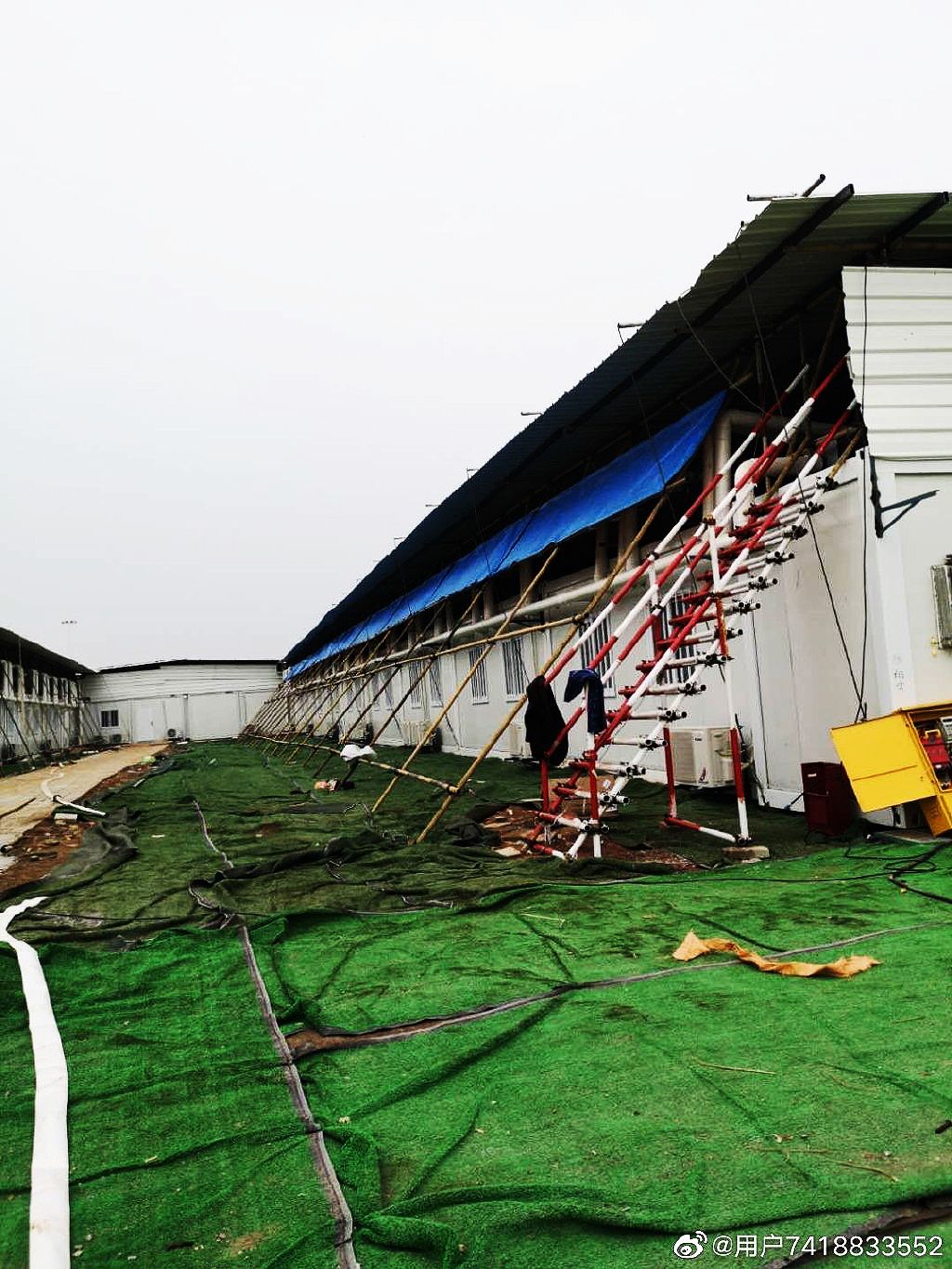
Over the next two or three days, people in their dorm started to develop coughs and fevers. At first, they just self-medicated at their own expense, but then they had their temperatures taken, before being put in a separate room under isolation. Somebody gave workers outside of isolation like Wang Xiongying an herbal cold remedy and woad root powder to take every day after that. Healthcare workers came to take blood samples, and some people were taken to the hospital for CT scans. Those whose scans were problematic were taken away altogether. “I was pretty scared,” Wang recalled.
The workers were supposed to be in isolation, but in reality some were four to a room. The dorm rooms had piled up clothing and bedding left by now-departed workers, and the food was bad. Sometimes there was hair in the rice, or the food was tainted by fish scales or chicken feathers. There was never a date given for the end of their quarantine. Yang Yuan and Li Yan spent their days sleeping and playing games on their phones. There was no Wi-Fi, so Li Yan bought data for nine yuan for 15 Gigabytes, and they watched an old Li Lianjie movie, The Mermaid, as well as Wolf Warrior.

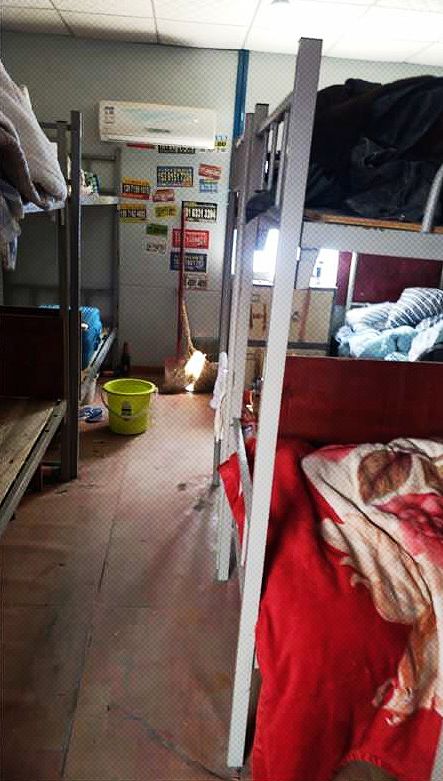
Dorm rooms for workers in isolation (Source: RFA)
Dorm rooms for workers in isolation (Source: RFA)
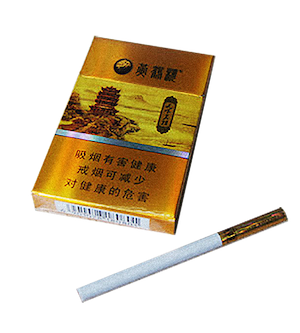
Yang smoked every day with misery. Most of his money went to cigarettes, which were hard to find. The only cigarettes he could get in Wuhan during lockdown were Yellow Crane Tower brand at 25 yuan a pack, a price that had already risen by four or five yuan. Yang used to smoke Double Happiness brand at 10 yuan a pack. Those were the days. He didn't want to buy them at first, but the sheer boredom and misery of being under quarantine drove him to a pack a day. "It still hurts to think about it," Yang said.
Yang couldn't bear to call his parents until the end of the quarantine, to tell them he was stuck in Wuhan. His mother was somewhat blaming him disapprovingly. "It is so bad there, why did you even go to Wuhan?" she asked. Yang told her there shouldn't be a problem, and that there wasn't any work in Shenzhen any more.
Wang sent WhyNot a video of the dormitory’s board room filled with eight beds, piled up with brooms, wires, buckets, dust, and garbage on the floor. Bottles of disinfectant and water as well as apples were on the table. Wang was put in room by himself where he played mobile games, watched videos on Douyin and Huoshan and chatting using WeChat.
Wang has requested WhyNot not to publish the video.

"At the bottom of the pecking order"

Wang Xiongying, 26, left his hometown in Hubei 10 years ago, seeking work as a carpenter, concrete reinforcement worker, plumber, security guard, and waiter. He would stagger back to a dorm after a day spent packing boxes for 200 or 300 yuan a day to collapse "like a dead man," he said. Last year, he worked at Foxconn checking mobile phone screens for bubbles with a magnifying glass.
He loves to listen to Mandopop, the big romantic hits like "So Lonely Without You," "The Pain of Parting," and "A Lover's Heart." He said his parents are pressing him to get married, so he had to work hard to make money for it – at least a few hundred thousand yuan. Wang sent me a selfie but deleted it because he said he wasn't good-looking enough.
He always thought that if he worked hard in high school, he would go to university. "I fancied working for Alibaba, or in Huawei's engineering department," Wang said. "I heard Huawei has a share distribution scheme; they're all high-tech talent who work there." But he didn't think this would happen. "I'm a migrant worker, at the bottom of the social pecking order," Wang said.
Li Yan, 30, said he once had a chance to rise up the socio-economic ladder. His WeChat profile photo shows him wearing a navy-blue suit with a pink tie. Li started out as a food designer in a hotel, where he sculpted dragons out of food. But he didn't want to stay in hotel work, so he left Hubei in 2016 and started a small headhunting company in southern China, investing all of his savings into it.
But the headhunting market shrank rapidly during the China-US trade war in 2019, and large numbers of private enterprises went under. His company filed for bankruptcy last October, and he lost over five million yuan. At his lowest point, Li had less than 100 yuan to his name, and only got into construction work to send money home to his parents at Lunar New Year. He found out about the Leishenshan job while working as a fitter at a construction site in Foshan.
The day they put him in quarantine, Li took a photo of the Leishenshan Hospital signboard. He felt that taking part in its construction was a memorable experience, and one that would stay with him for 10 or 20 years.
Workers involved in the early stages of the project were given circular golden pins with rice stalk ornamentation to commemorate their work, identifying them in gilded characters as a "Pioneer of the Leishenshan Anti-Epidemic Effort." Yang Yuan envied their pins, as if they were made of solid gold. He, Wang, and Li had nothing: not a badge or a certificate between them.
Wang had repeatedly posted videos honoring the medical teams and nursing staff from across China on Weibo in the fight against the coronavirus.
On the other hand, in the days that followed under quarantine, Yang said he had lost any sense of accomplishment in the project.

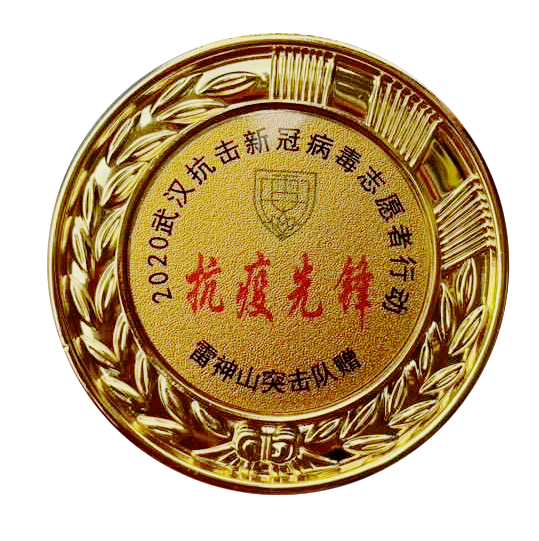
"Pioneer of the Leishenshan Anti-Epidemic Effort" gold badge (Anonymous source)
"Pioneer of the Leishenshan Anti-Epidemic Effort" gold badge (Anonymous source)
News came through on Mar. 24 that they would each receive a temporary subsidy payment of 2,450 yuan, four times the legal subsistence payment. The next day, they were taken off to different construction sites with the promise of work, and a gift box of snacks for the journey.
At the new construction site, Wang was given a broom and dustpan to sweep up garbage. The next day he was assigned to weed. Most construction sites don't have jobs like that. "We're being treated like refugees," he messaged that evening.
Yang and Li were waiting to be assigned a job at a different construction site. "We've just been parked here," they messaged me. "There's no work."
Even when the lockdown in Wuhan was lifted, they didn't know if they would be able to get home. Wang Chaoying knew that people from Hubei were being discriminated against elsewhere in China when they tried to go back to work outside the province. Some were even sent back before reaching the tollbooths on the highways or denied permission to cross provincial lines.
"It was even worse for those who had worked at Leishenshan," he said. "They weren't treating us like heroes, or even welcoming us in any way: they treated us more like viruses."
Xu Ke and his fellow villagers from Xiaogan County, Hubei, reported similar experiences. They were unable to go anywhere for a month after the lockdown was lifted. They built Leishenshan, then they were confined in seemingly indefinite quarantine. They eventually received notification that they could go home, possibly as a result of the Caijing news article, but their local village committee refused to give them the necessary paperwork. They called the mayor's hotline, even asked the epidemic prevention headquarters in their hometown, who told them that policies varied from place to place. "We're not even sick," Xu complained. They didn't get their paperwork through until reporters starting asking the epidemic prevention center about their case.
Meanwhile, Li Yan was also worried that authorities in Guangdong wouldn't let anyone from Hubei reenter the province. He thought he could try to find work on a Hubei construction site, and after the epidemic was over, he would go to find a job in Guangdong to save 500,000 yuan.
When asked how he would make that much money in Guangdong, he replied cryptically: “That's confidential.” But he said he was looking forward to starting another business, and being his own boss again.
(Names have been changed at the interviewees’ request.)
 Built with Shorthand